Visual Perception and D3 Foundations
CS-GY 6313 - Fall 2026
2026-09-25
Quick Recap
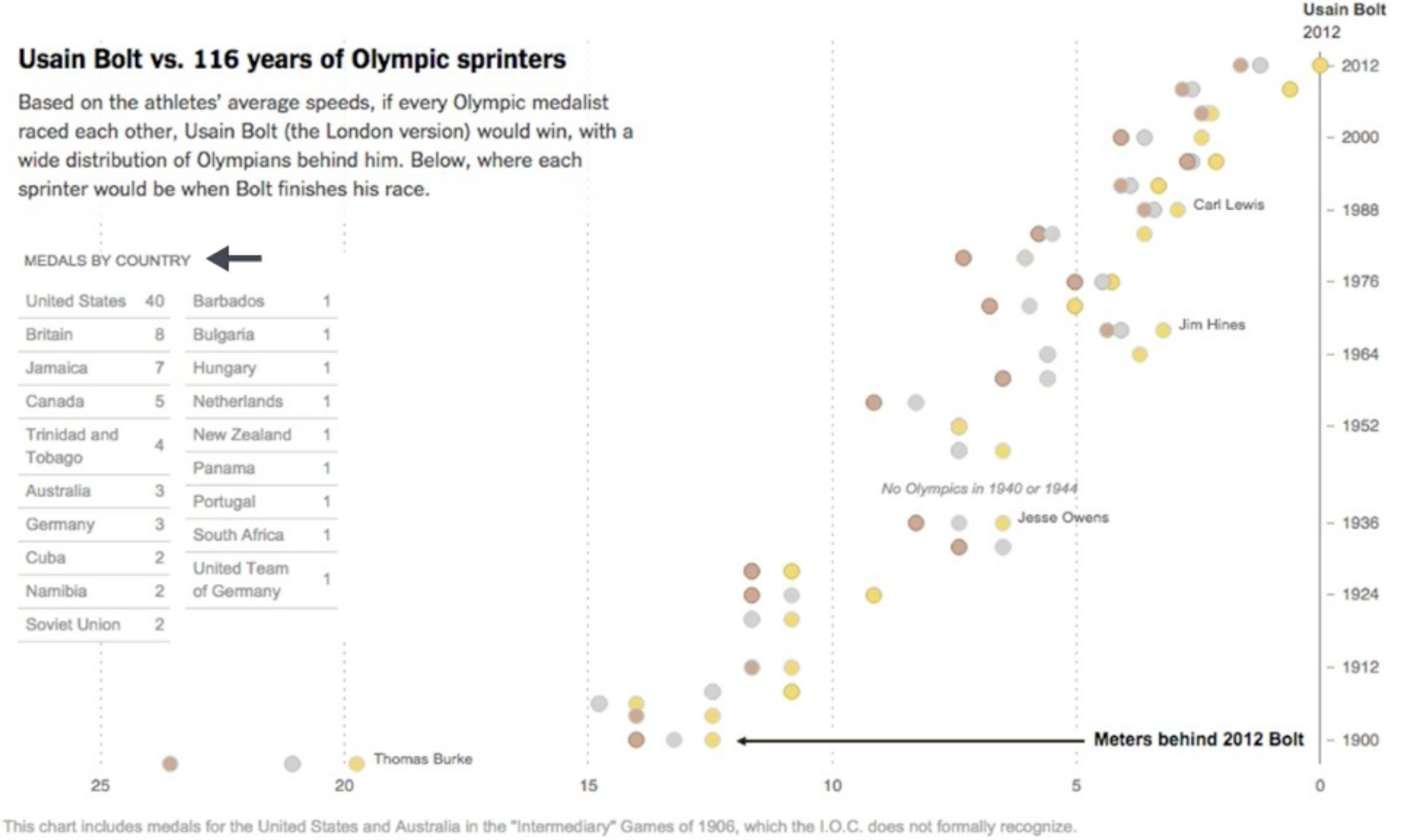
Perception for Design
The Brain and Vision
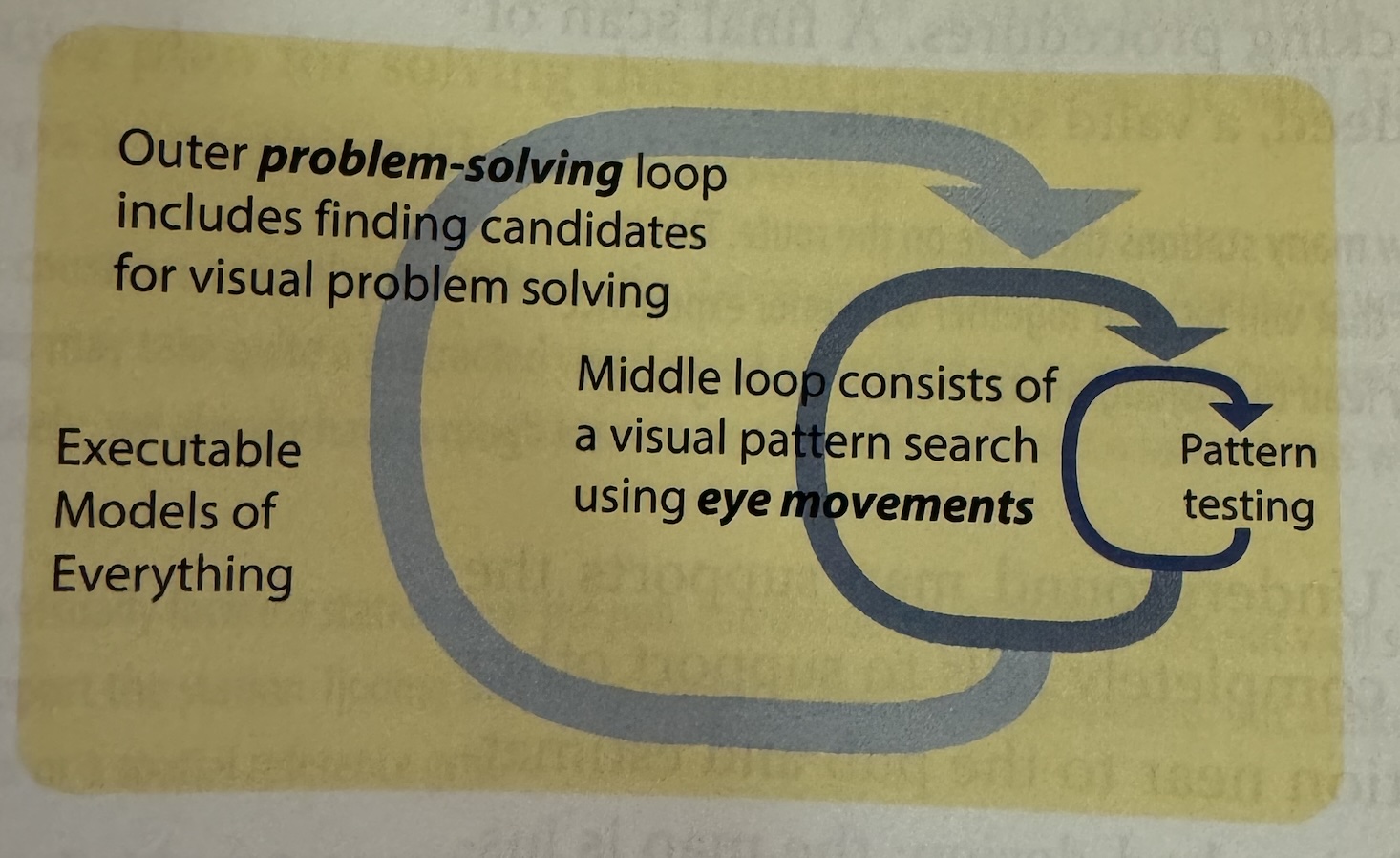
“Visual thinking consists of a series of acts of attention, driving eye movements, and tuning our pattern finding circuits” - Colin Ware
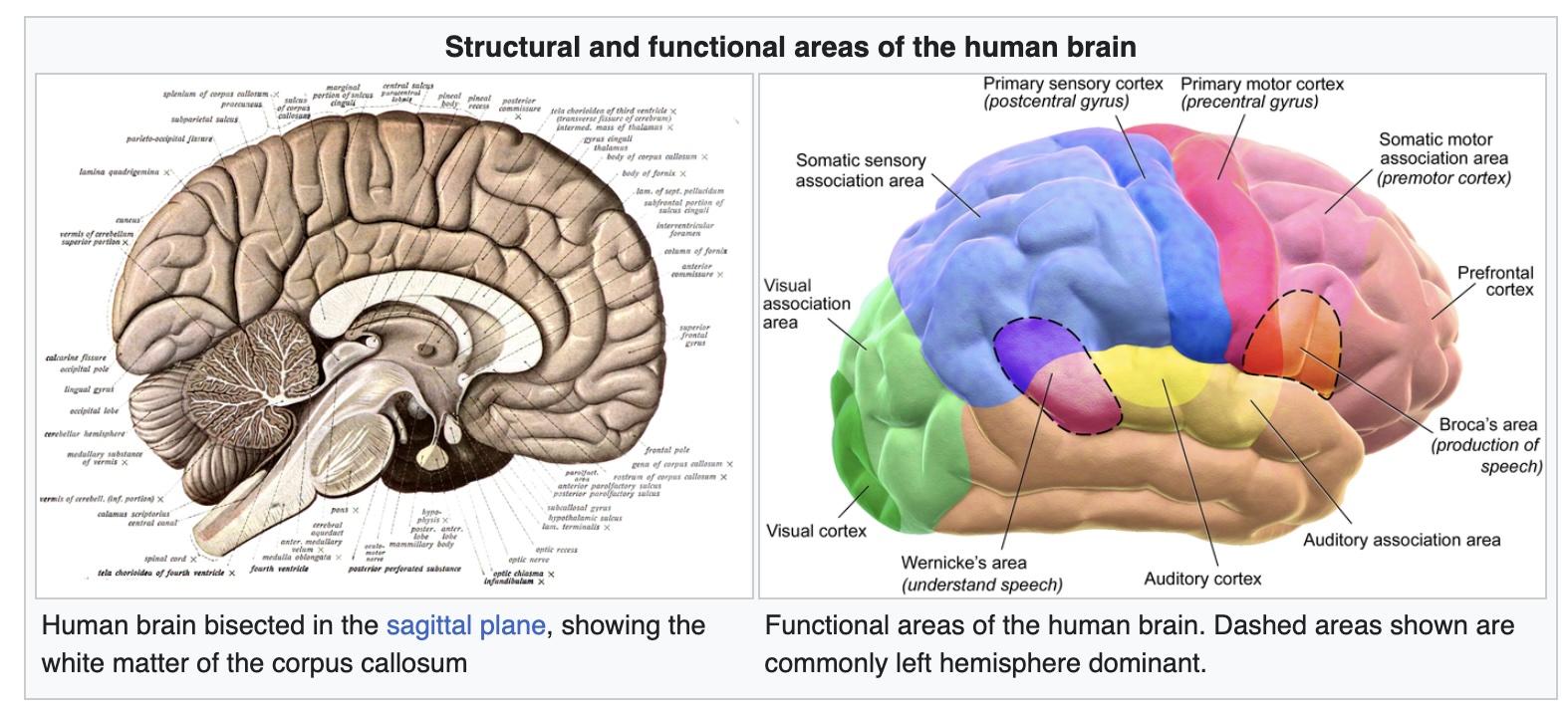
The Visual Brain
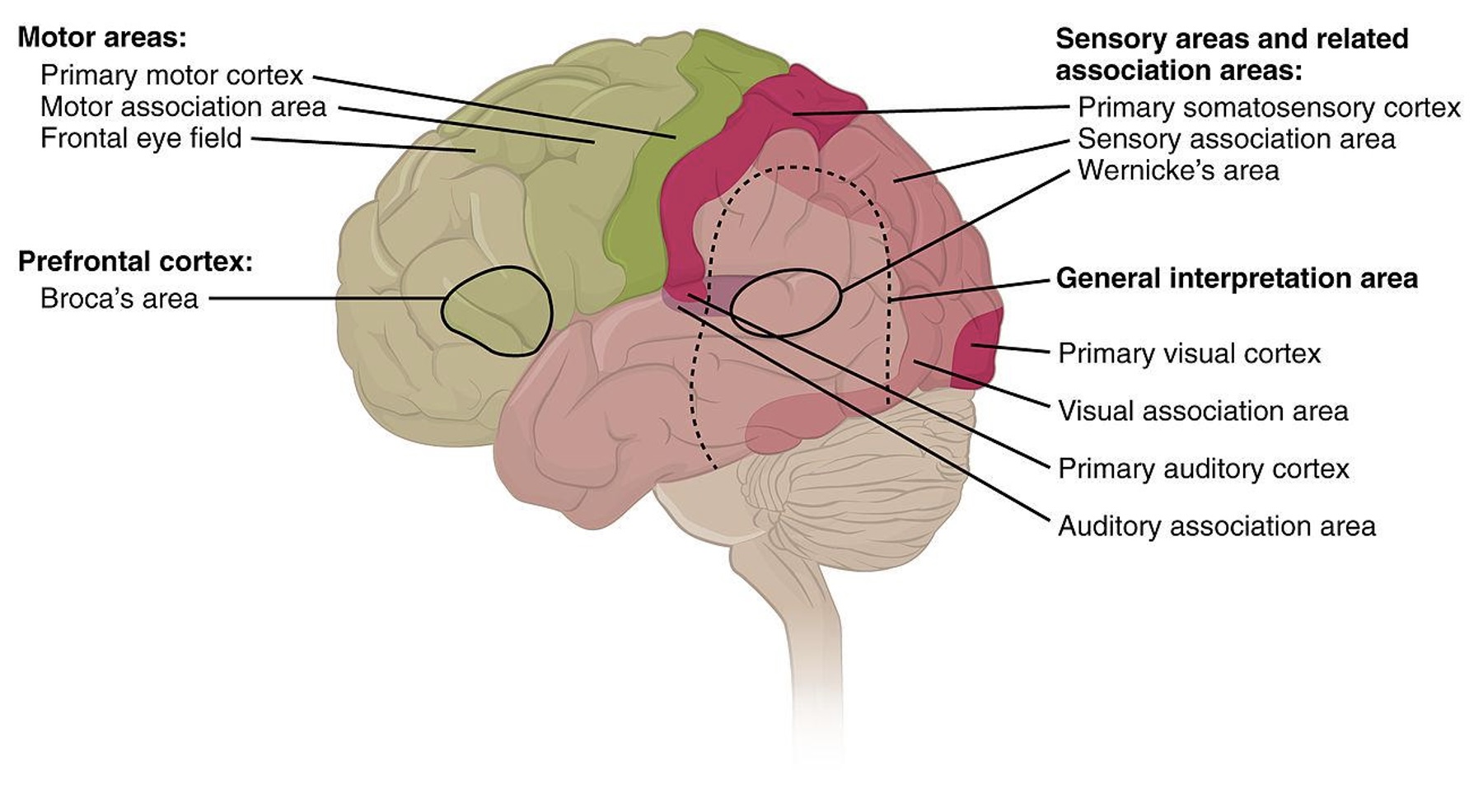
The Act of Perception
Perception runs bottom-up and top-down at the same time
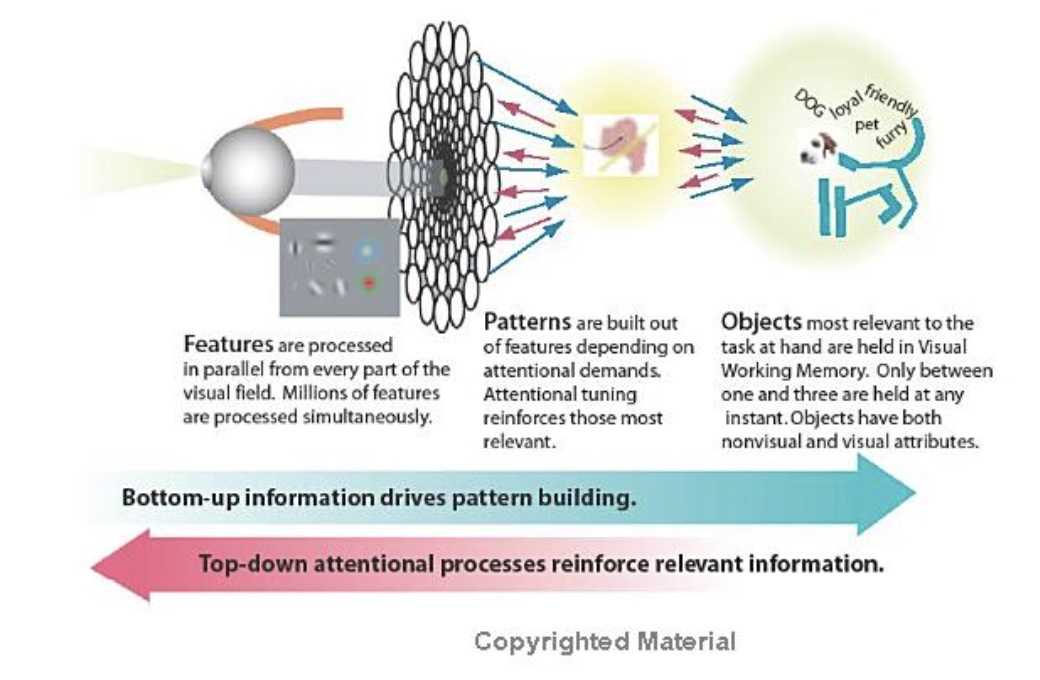
Bottom-up Processing
- Information is filtered into patterns through successive stages:
- Optic nerve to V1 cortex
- Texture and colour aggregate into patterns
- Objects assembled in visual working memory
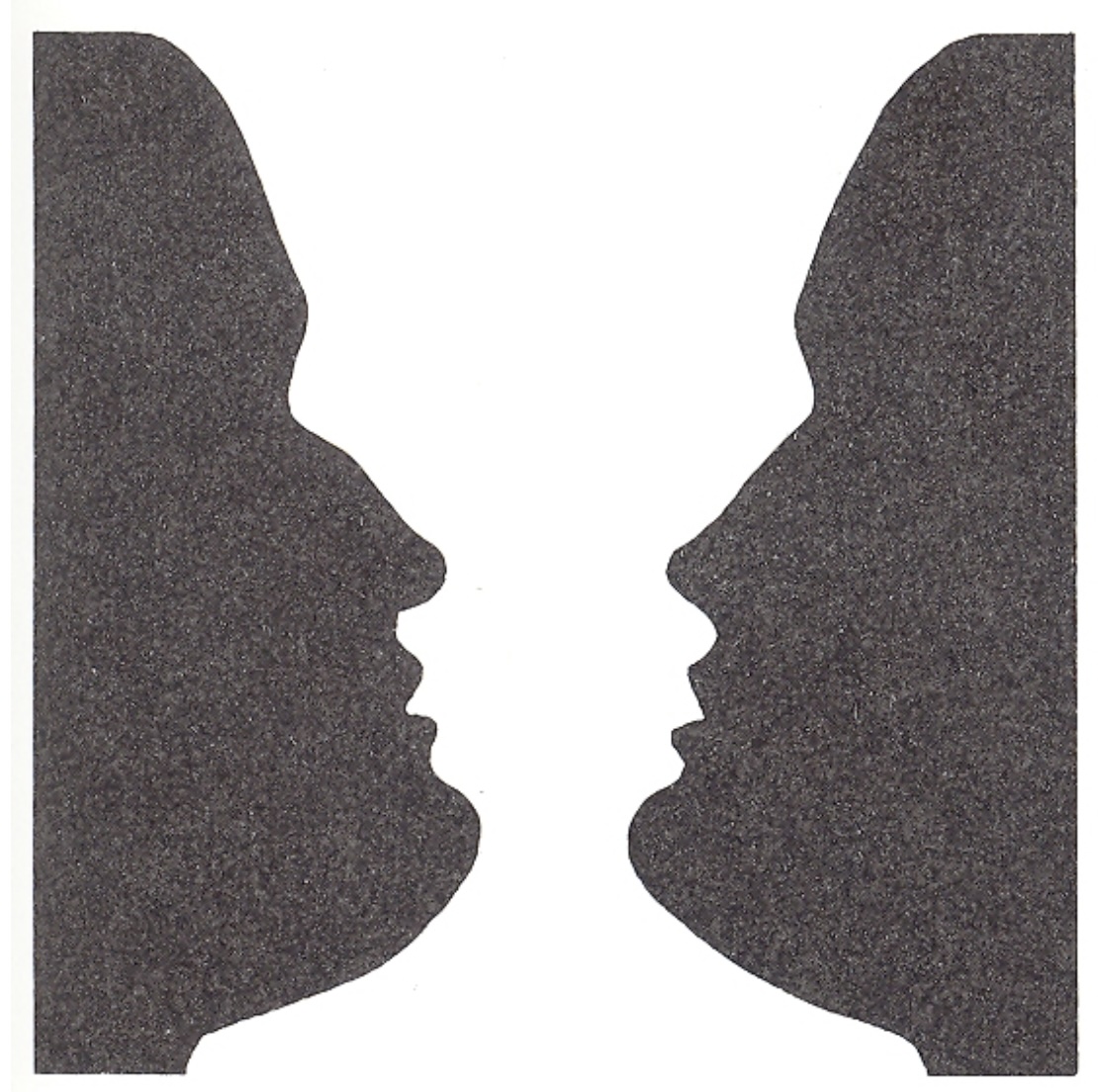
- The face-vase: one input, two objects, never both at once
Top-Down Processing
- Every bottom-up stage has a matching top-down process
- Ware calls it “attention”
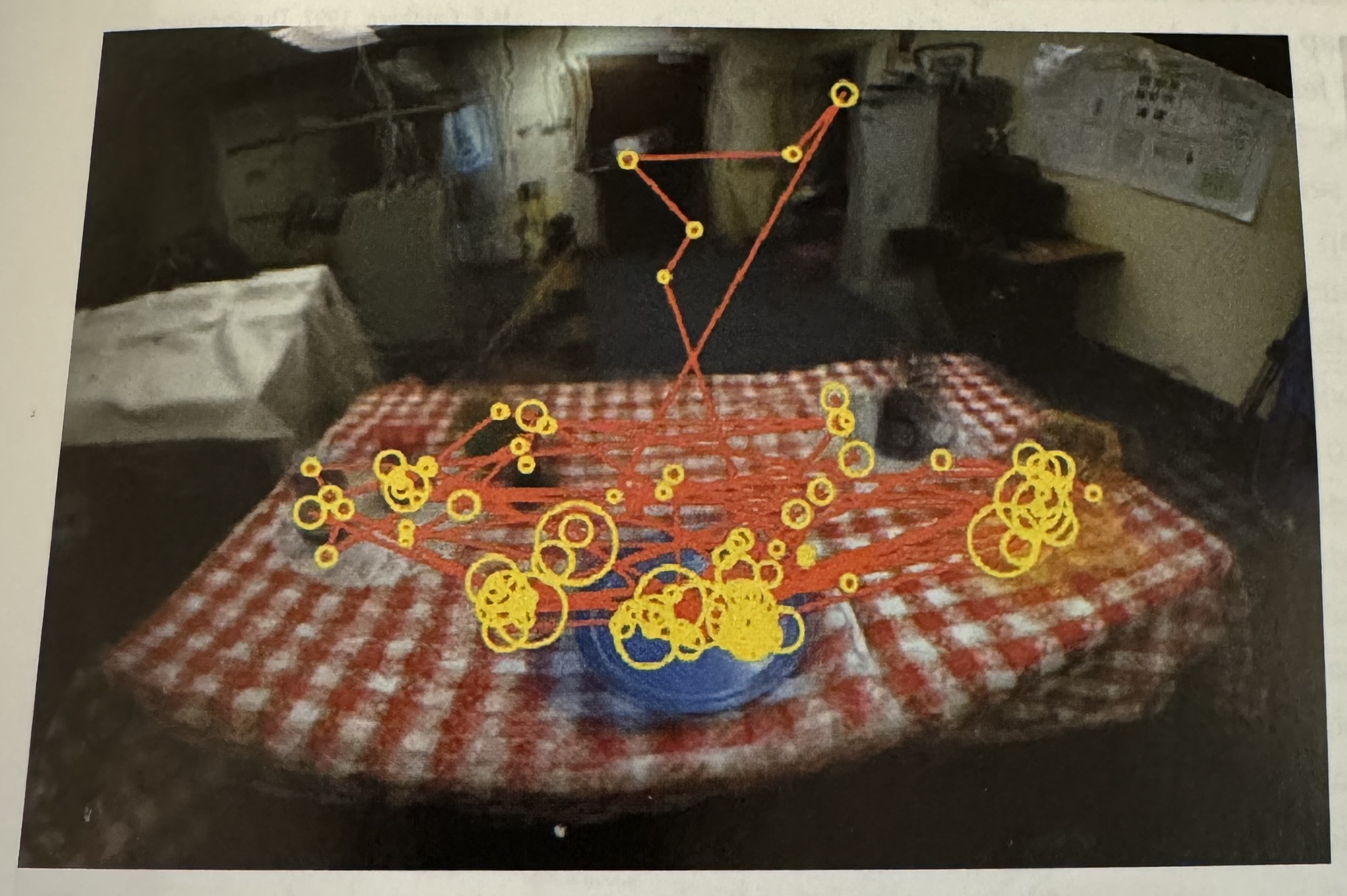
- We get the information we need, when we need it
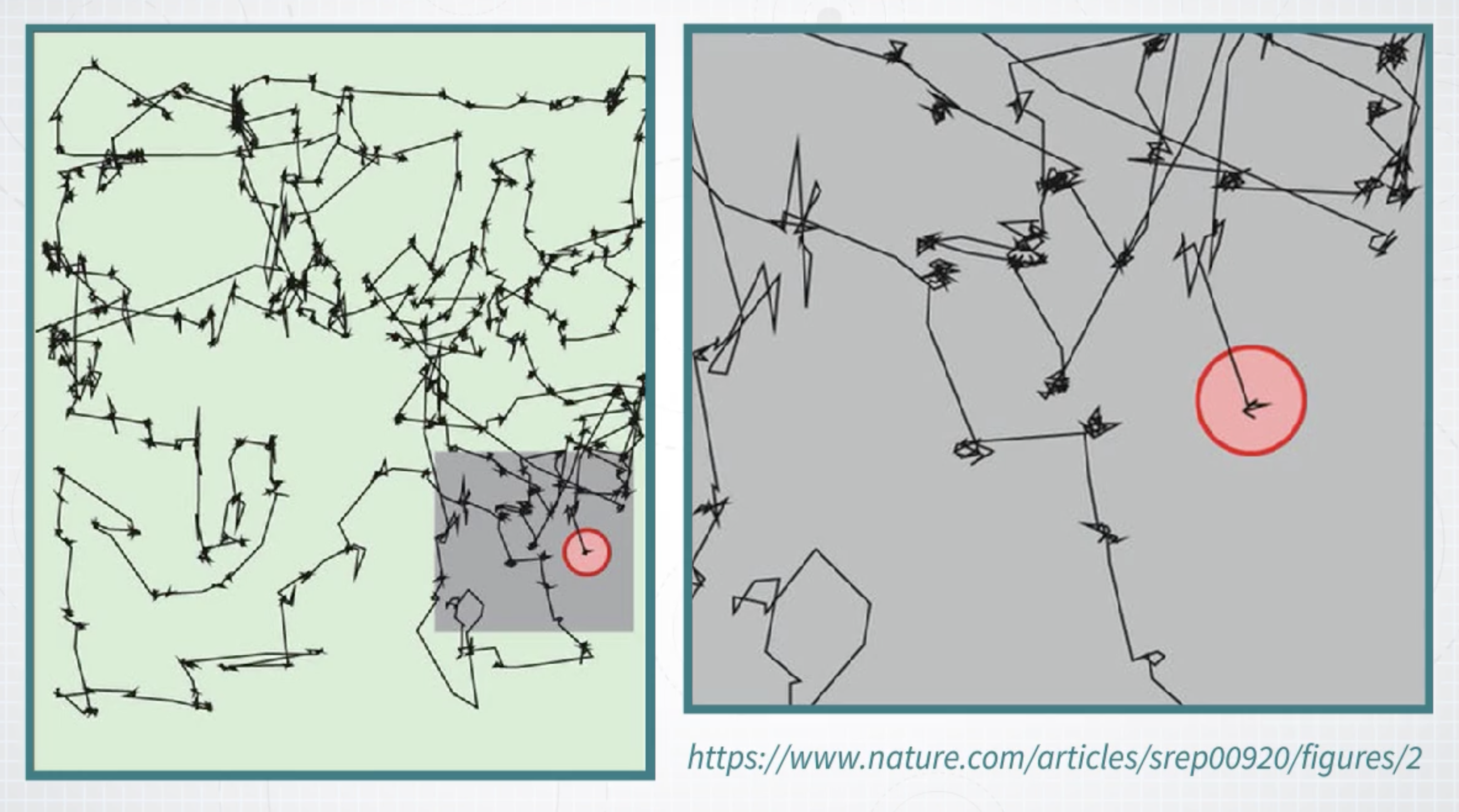
- Circles are fixations, lines are saccades: most of the scene is never visited
Implications for Design
- “Just-in-time visual queries” (Ware)
- “The brain operates as a set of nested loops. Outer loops deal with generality while inner loops process detail.” (Ware)
- Each saccade asks the display a question and expects the answer in one fixation
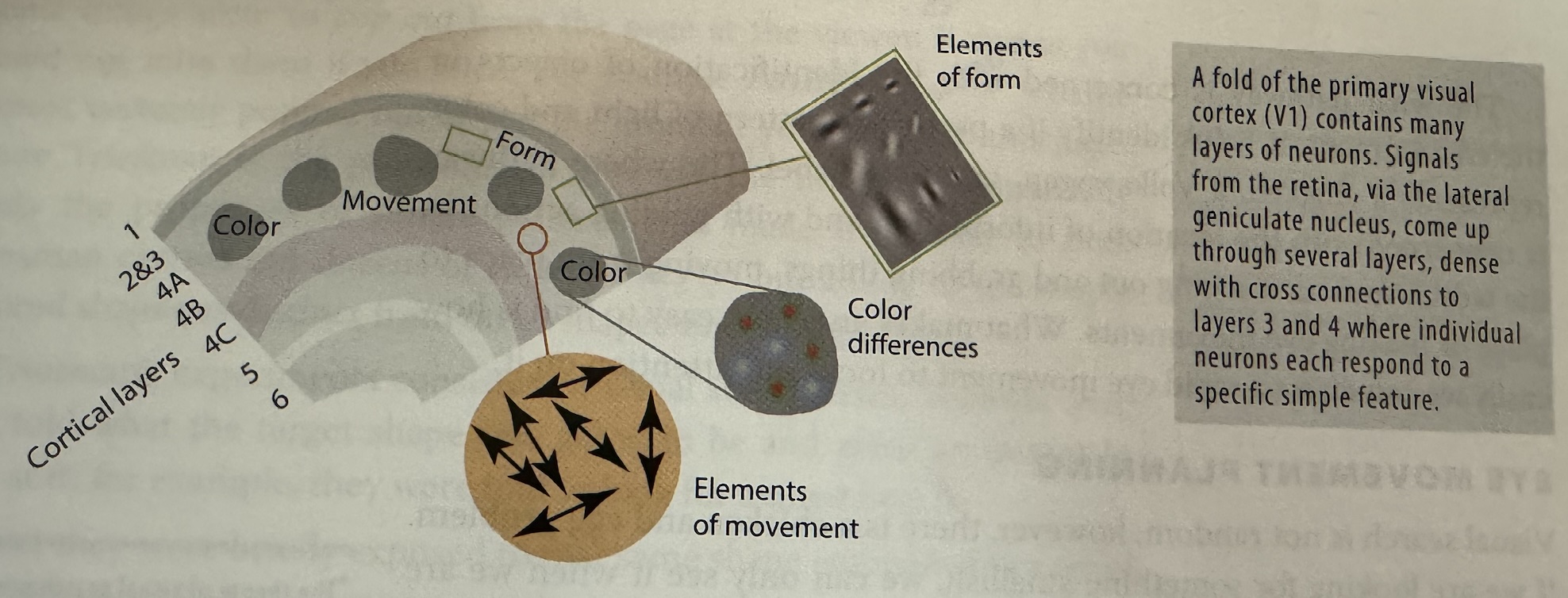
Low-Level Feature Analysis
The visual cortex has specialized cells for edges, orientations and motion (Hubel & Wiesel, Nobel 1981)
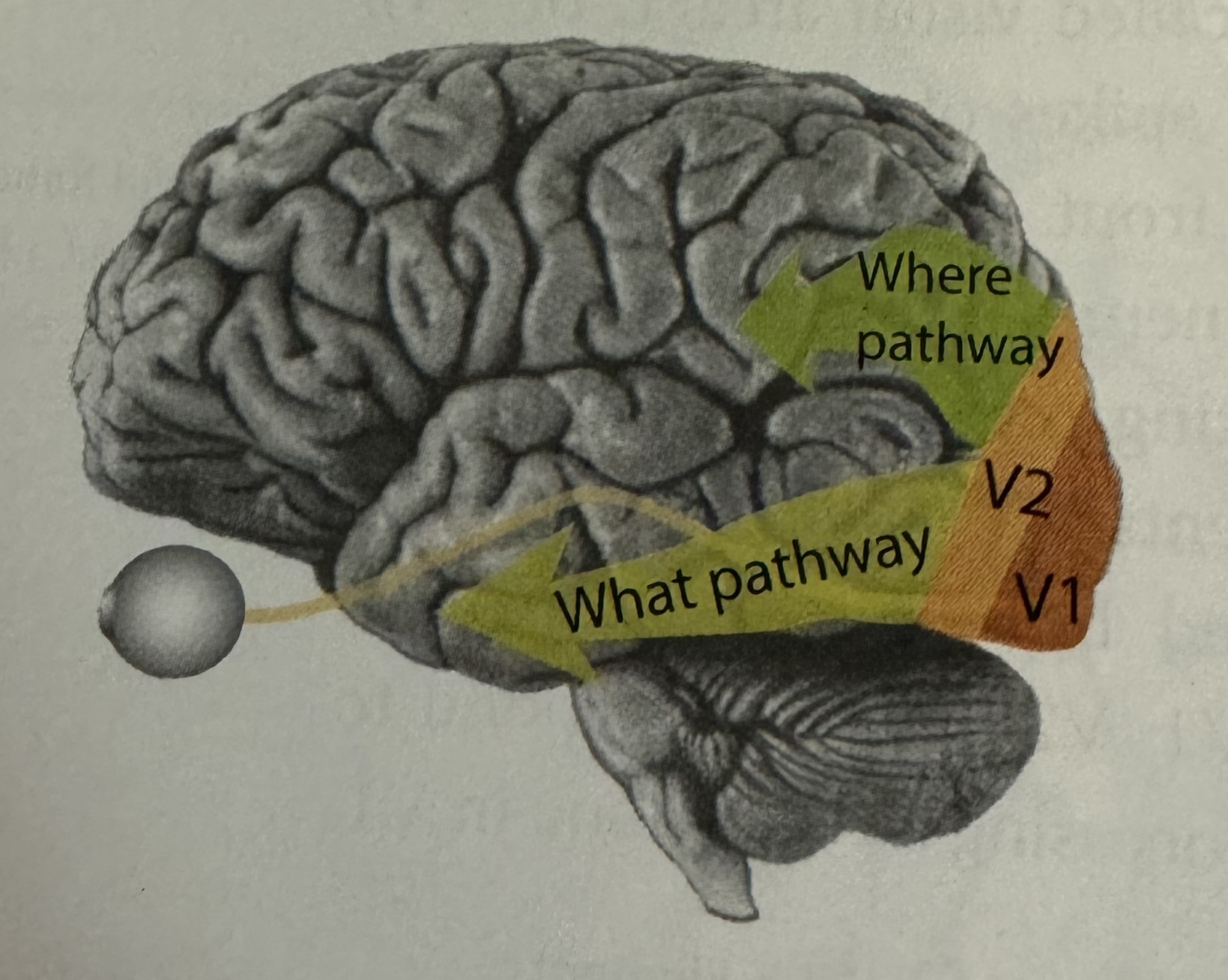
What and Where Pathways
- What pathway: Object identification
- Where pathway: Object location and eye movement
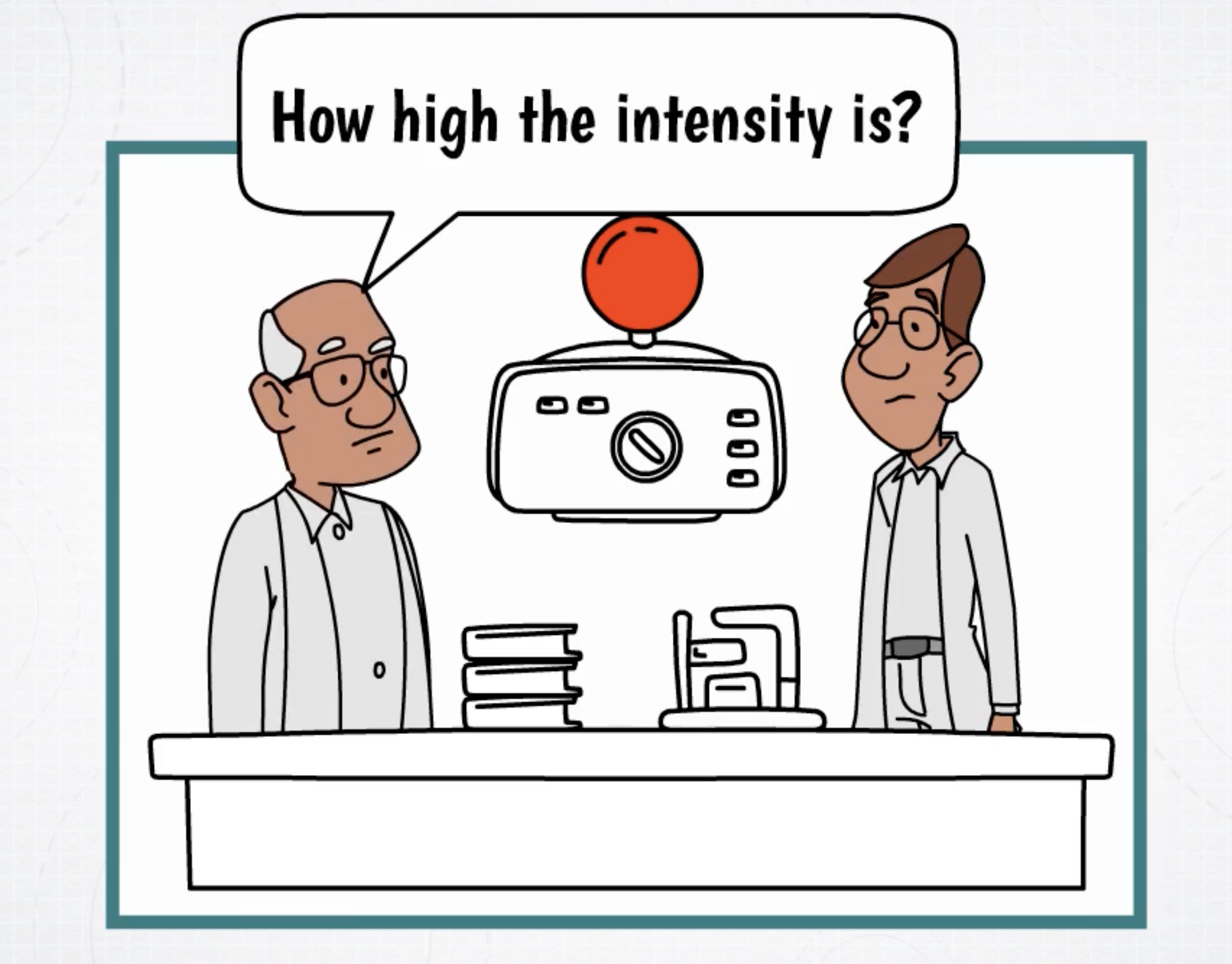
Accuracy
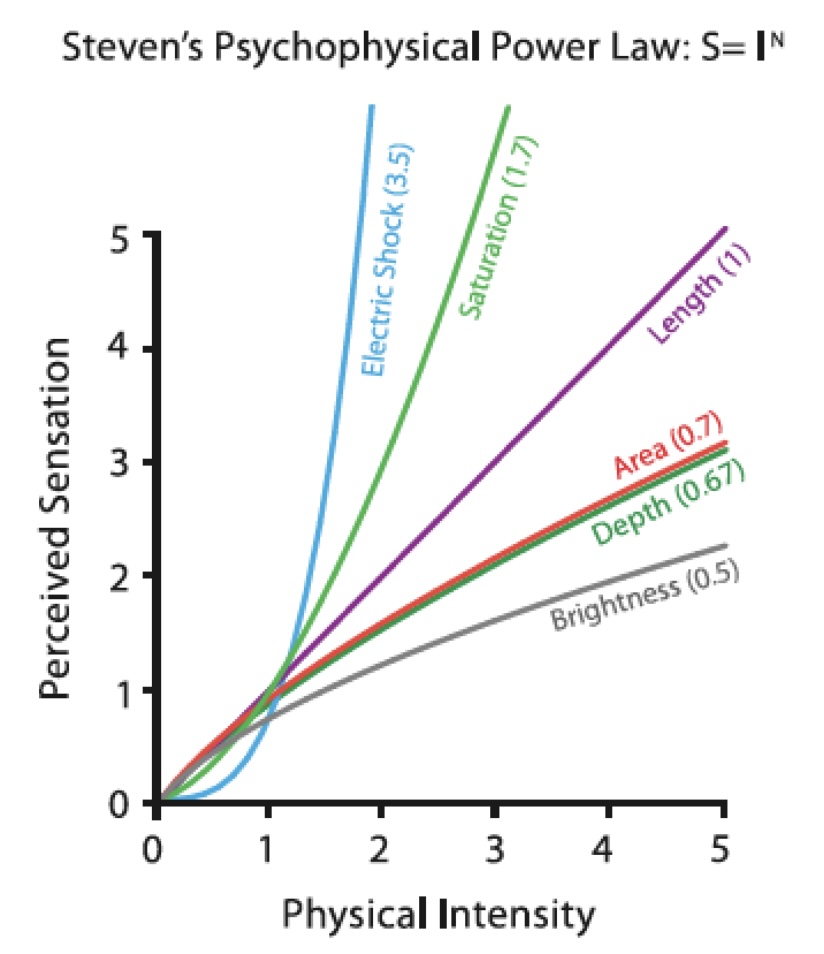
Psychophysics: vary a stimulus, ask how strong it feels (Fechner, 1860)
Power Law
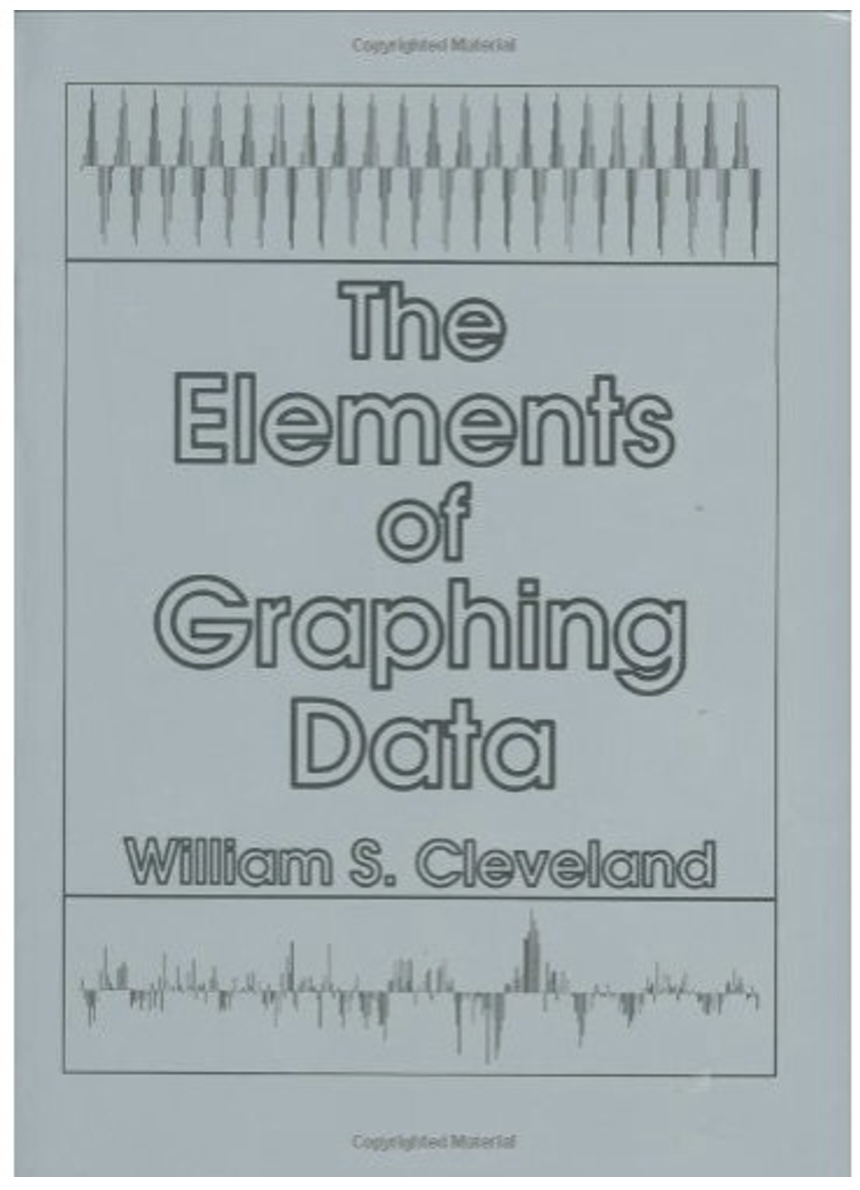
Graphical Perception
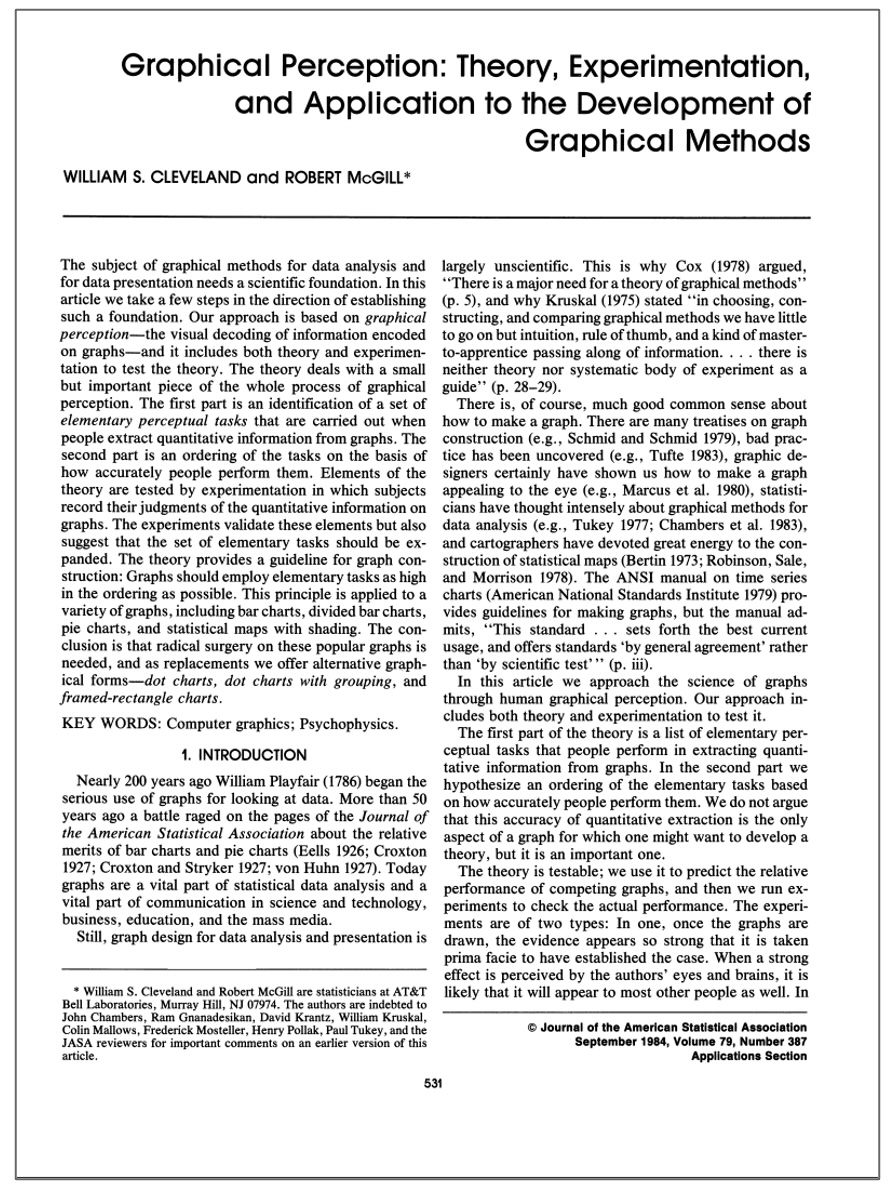
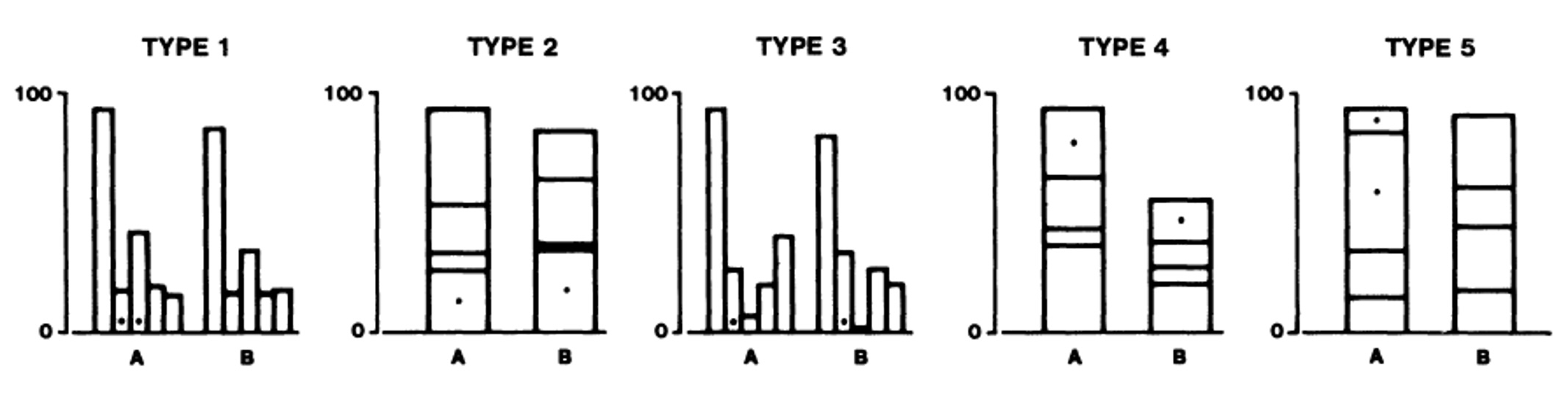
Cleveland & McGill Experiment
Task: judge what percentage the smaller marked value is of the larger
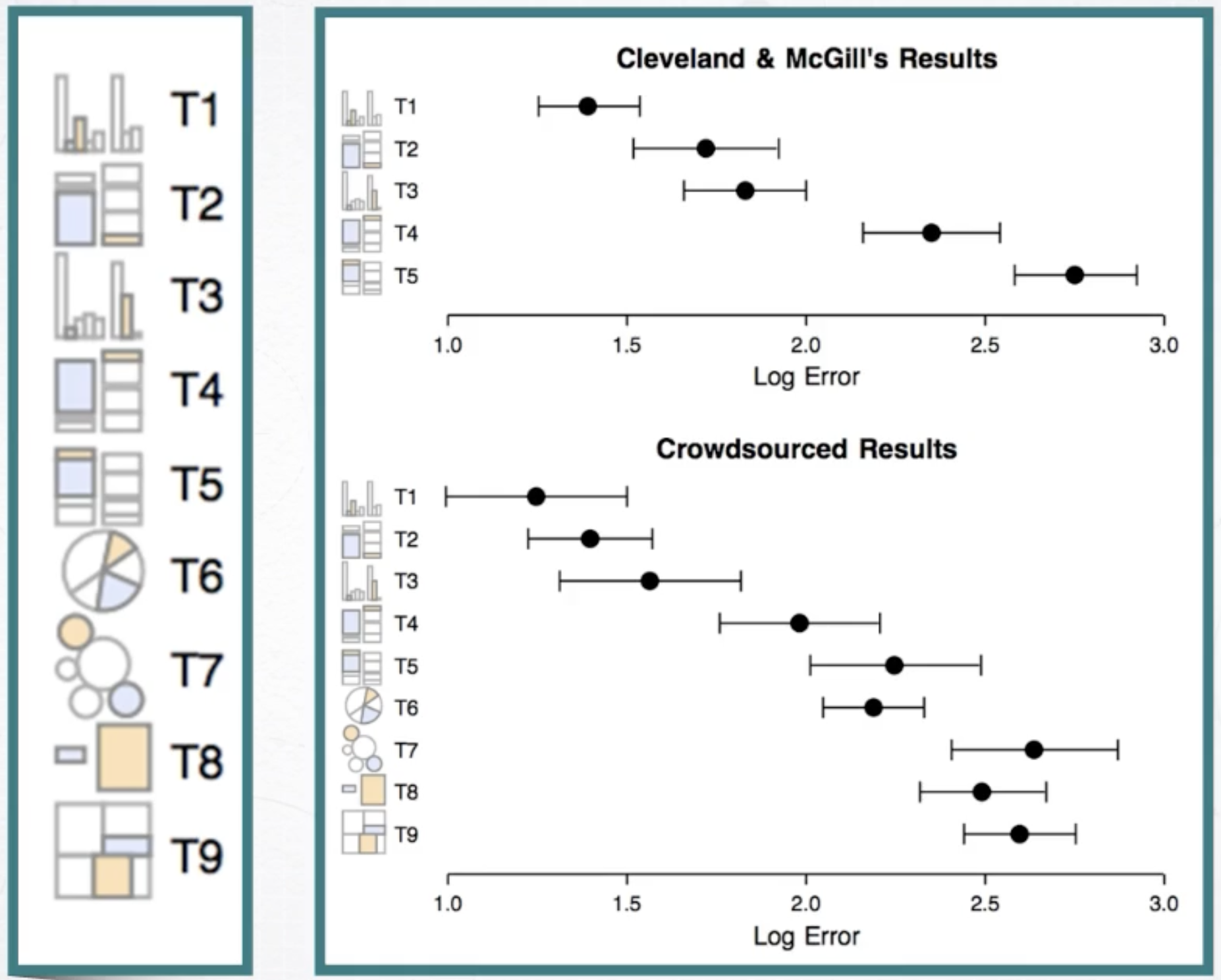
Cleveland & McGill Results
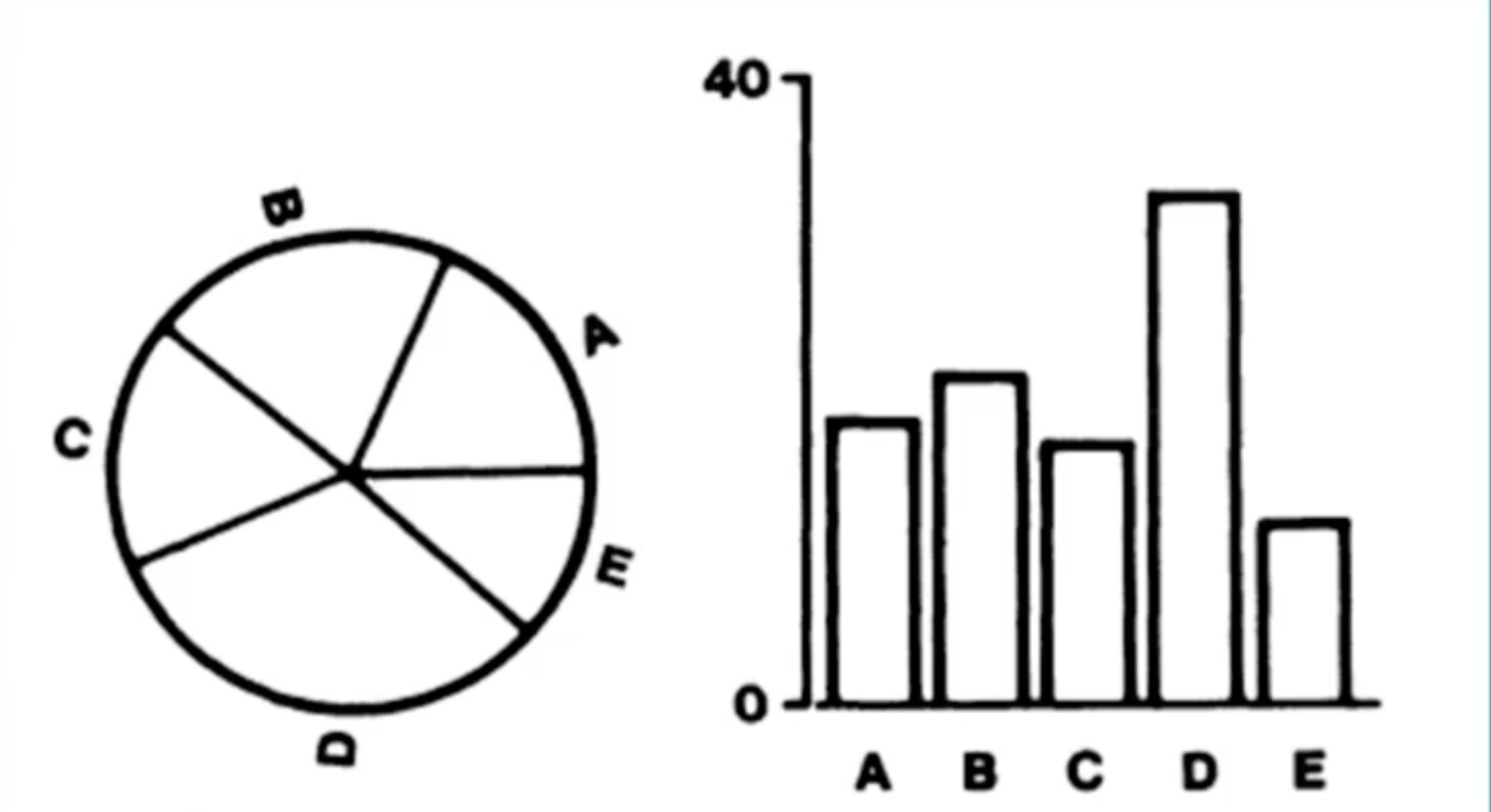
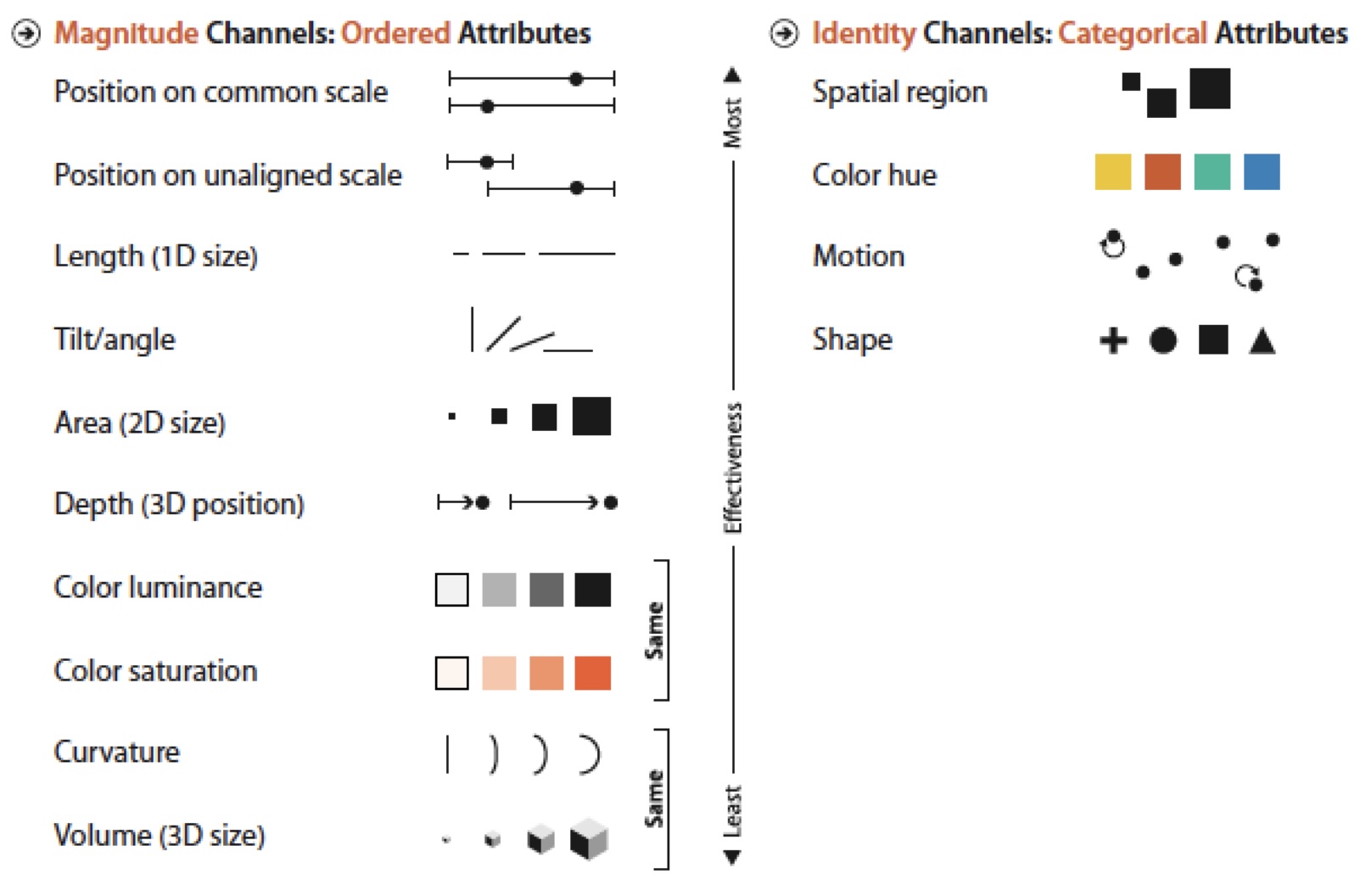
Position > Length and Angle > Area
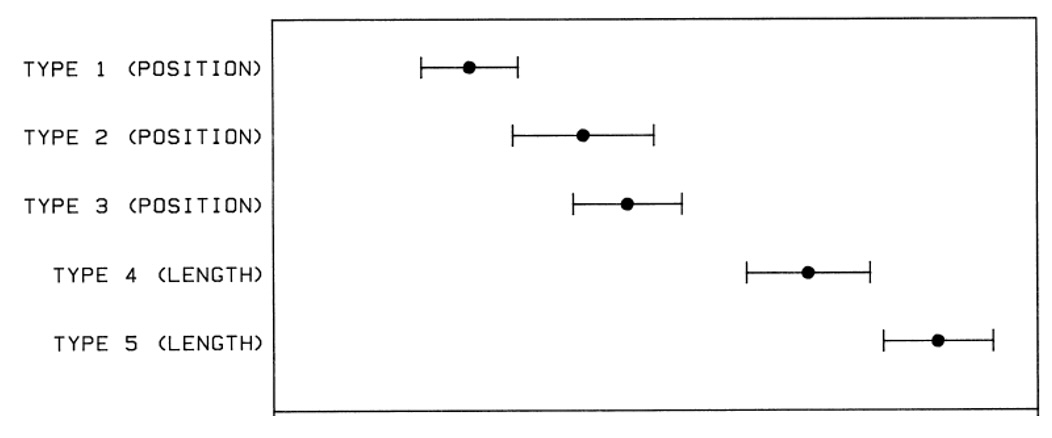
Other Cleveland & McGill Experiment: Angle vs. Position
Replication: Heer & Bostock (2010)
Channel Effectiveness Ranking
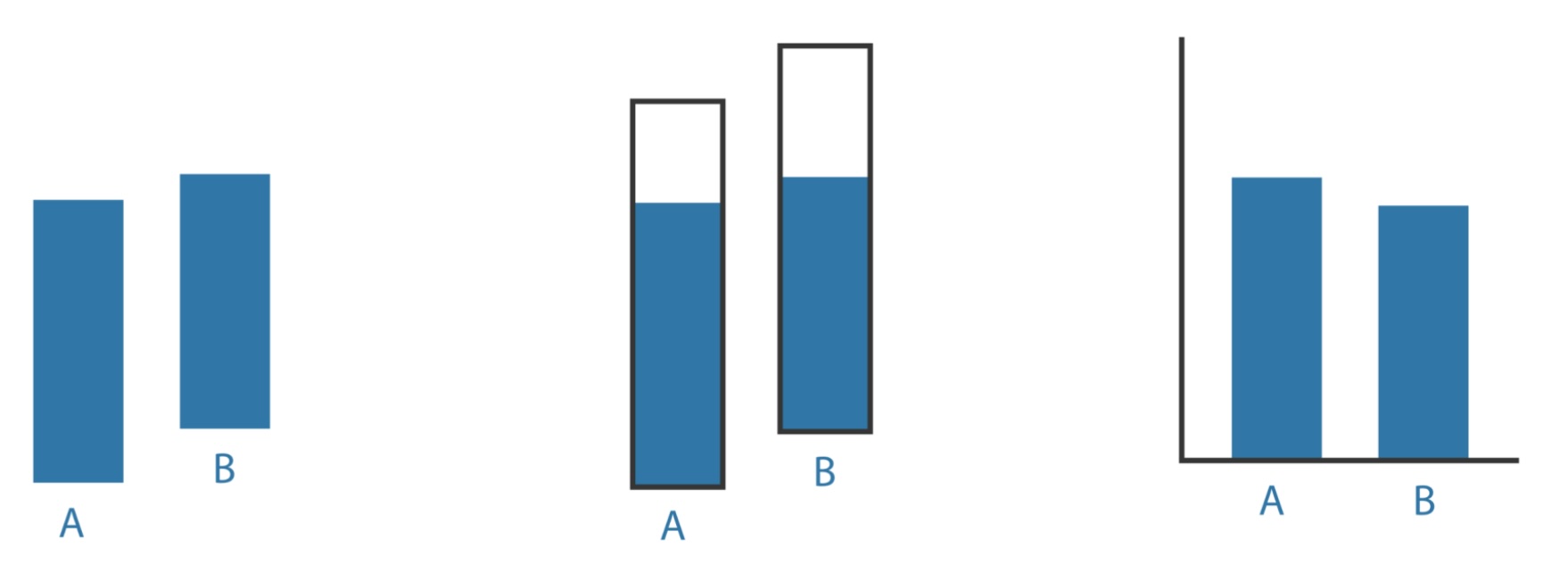
Relative vs. Absolute Judgments
Humans are better at relative comparisons than absolute judgments
Discriminability
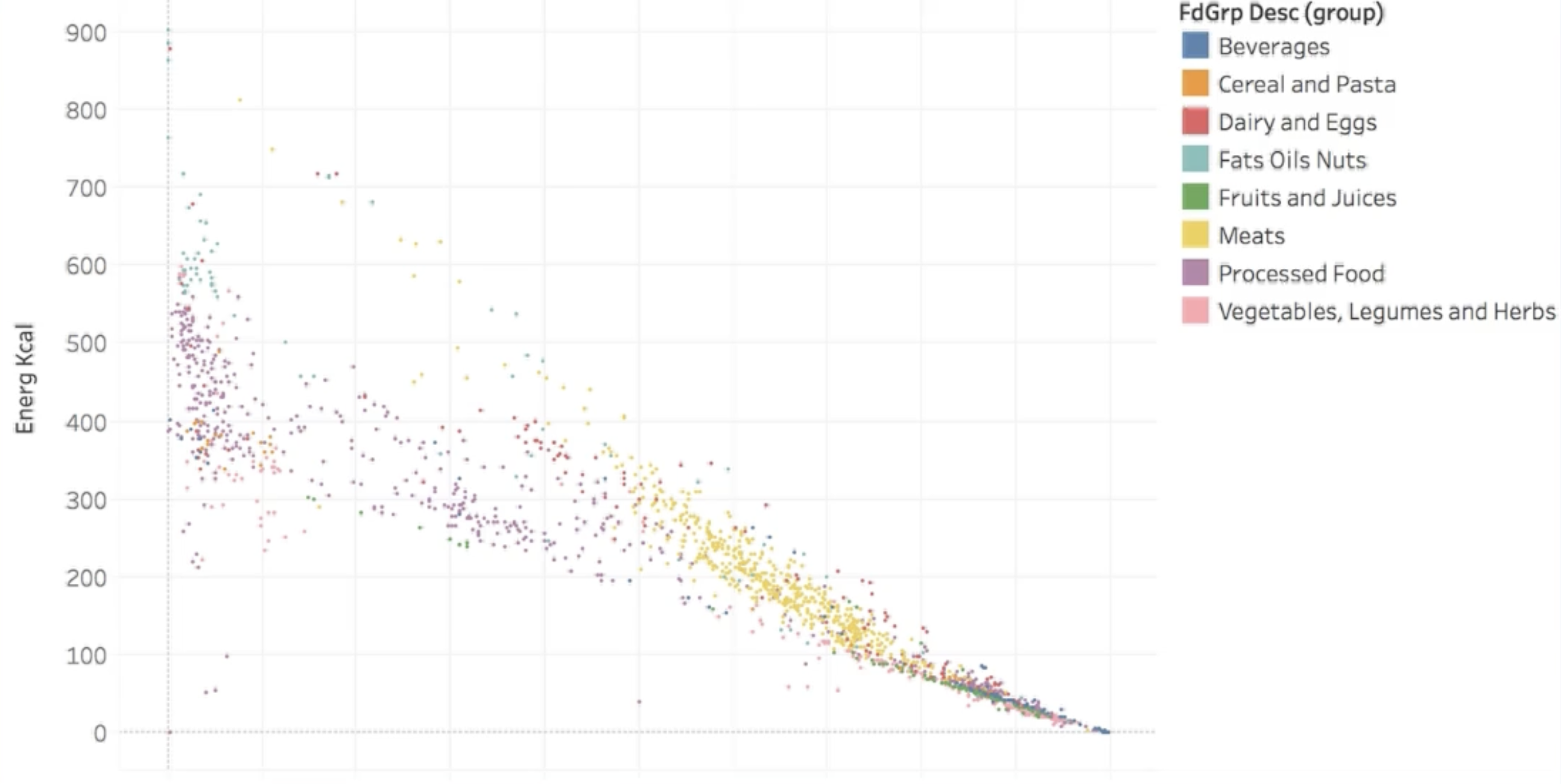
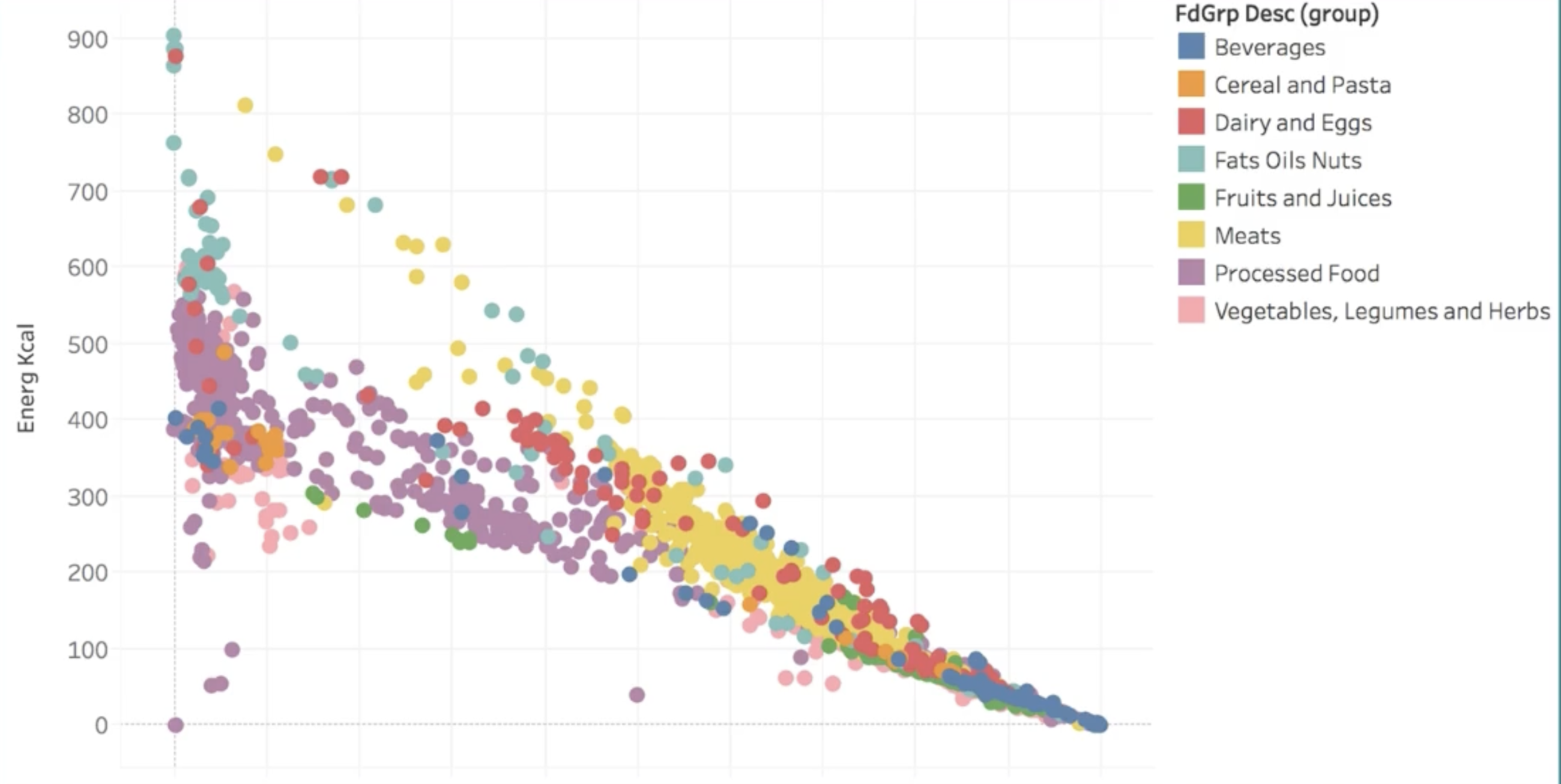
- Discriminability: How many values can be distinguished within a channel
- It depends on:
- Channel properties
- Spatial arrangement
- Size
- Cardinality
Discriminability
- Discriminability: How many values can be distinguished within a channel
- It depends on:
- Channel properties
- Spatial arrangement
- Size
- Cardinality

Discriminability Guidelines
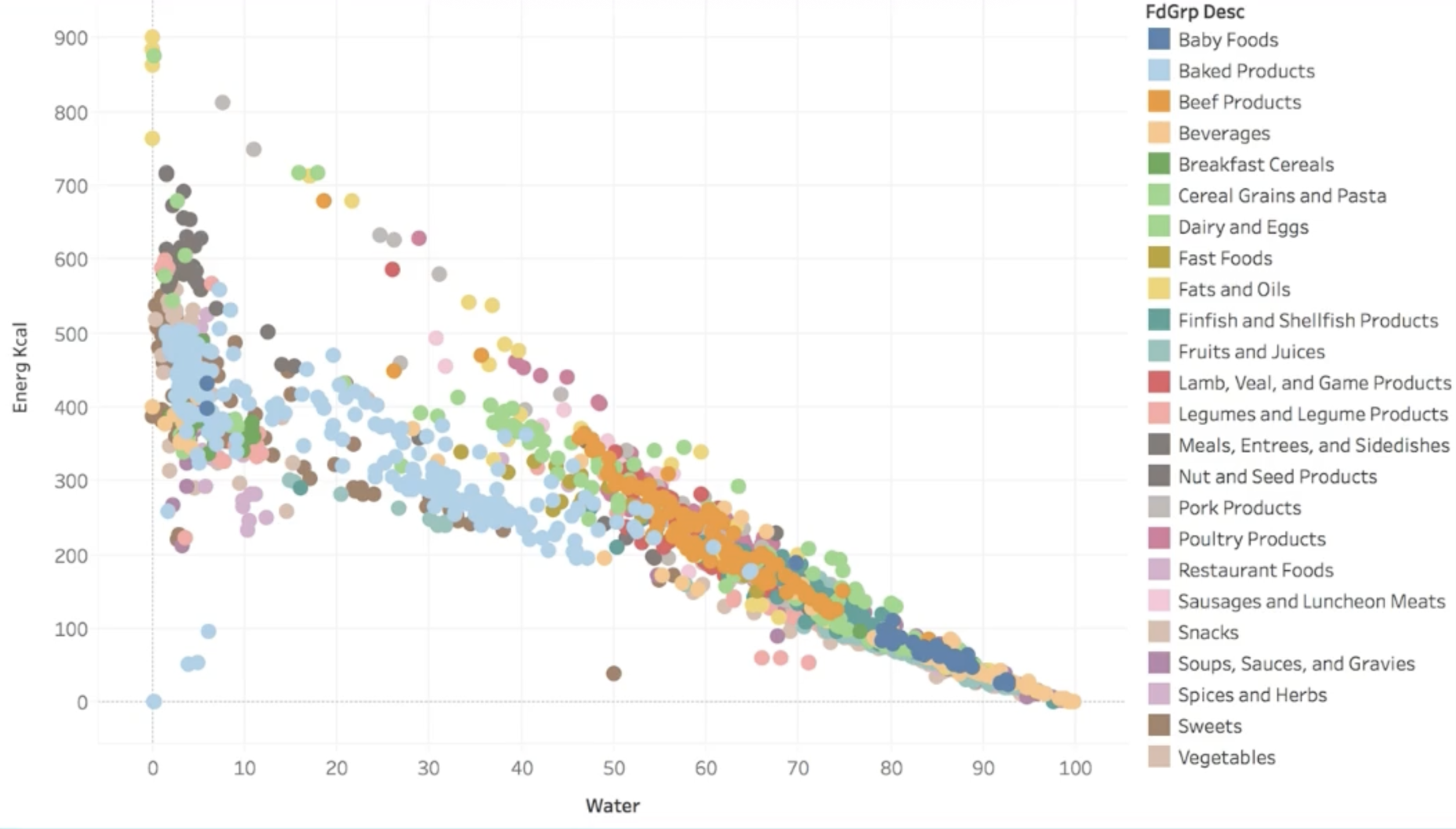
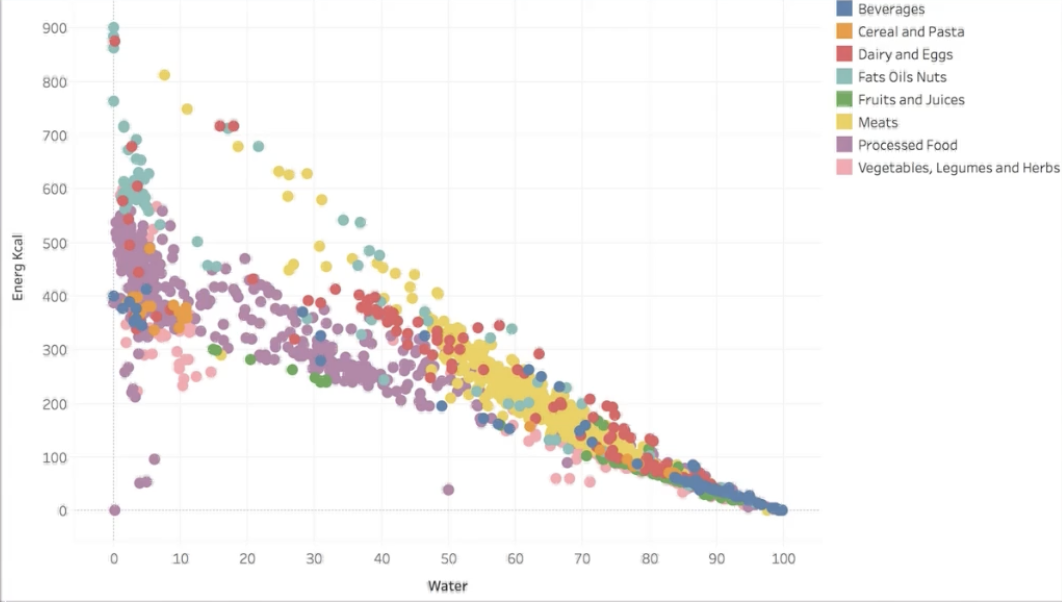
Do not overestimate the number of values viewers can discriminate
Grouping
Grouping: merge categories semantically to reduce the number of classes to distinguish
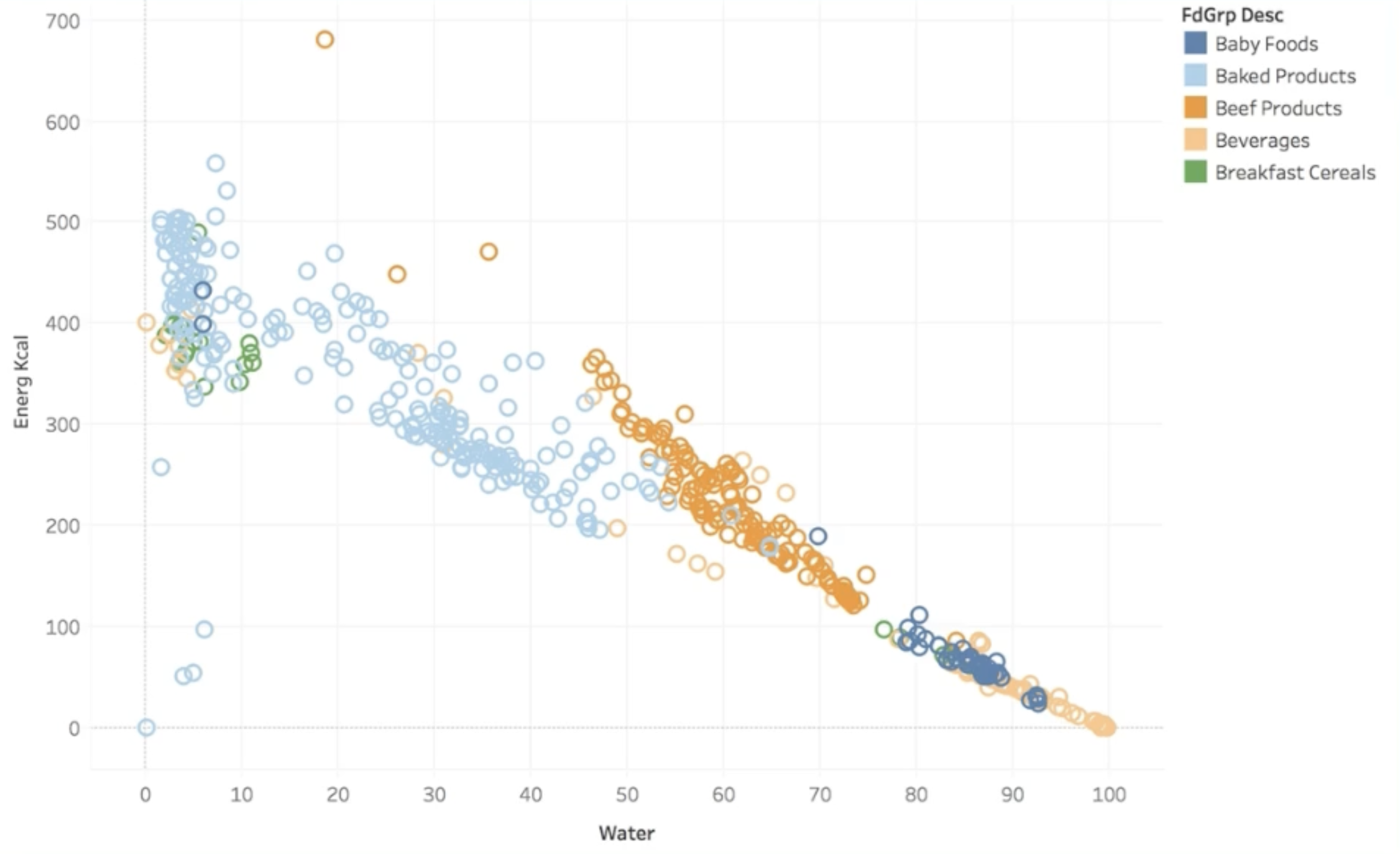
Filtering
Filtering: keep only the classes the question is about
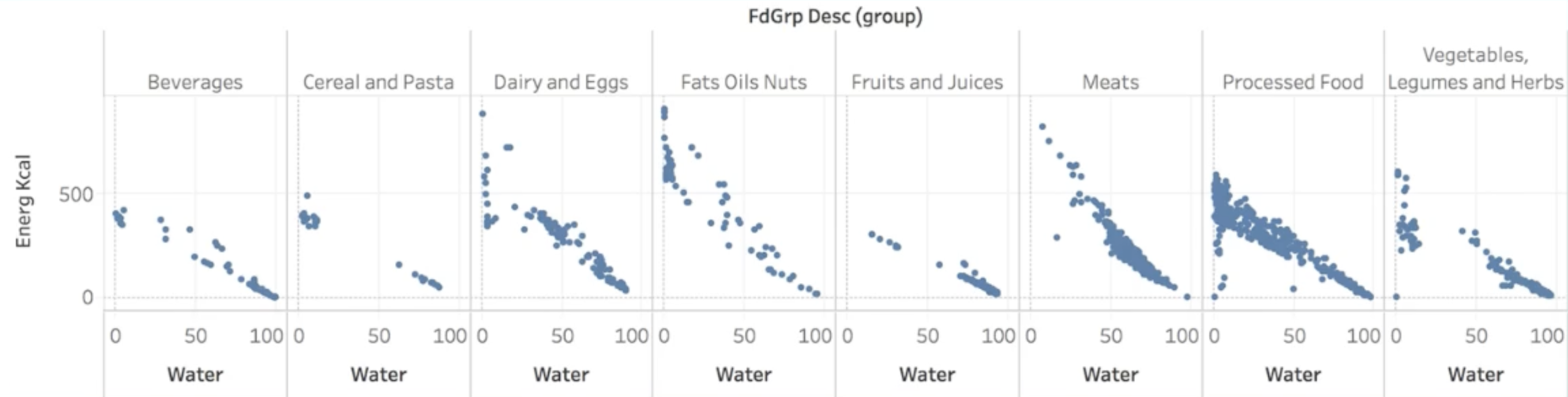
Faceting
Faceting: move the category from colour to position, one panel per class
Pre-attentive Processing: Popout
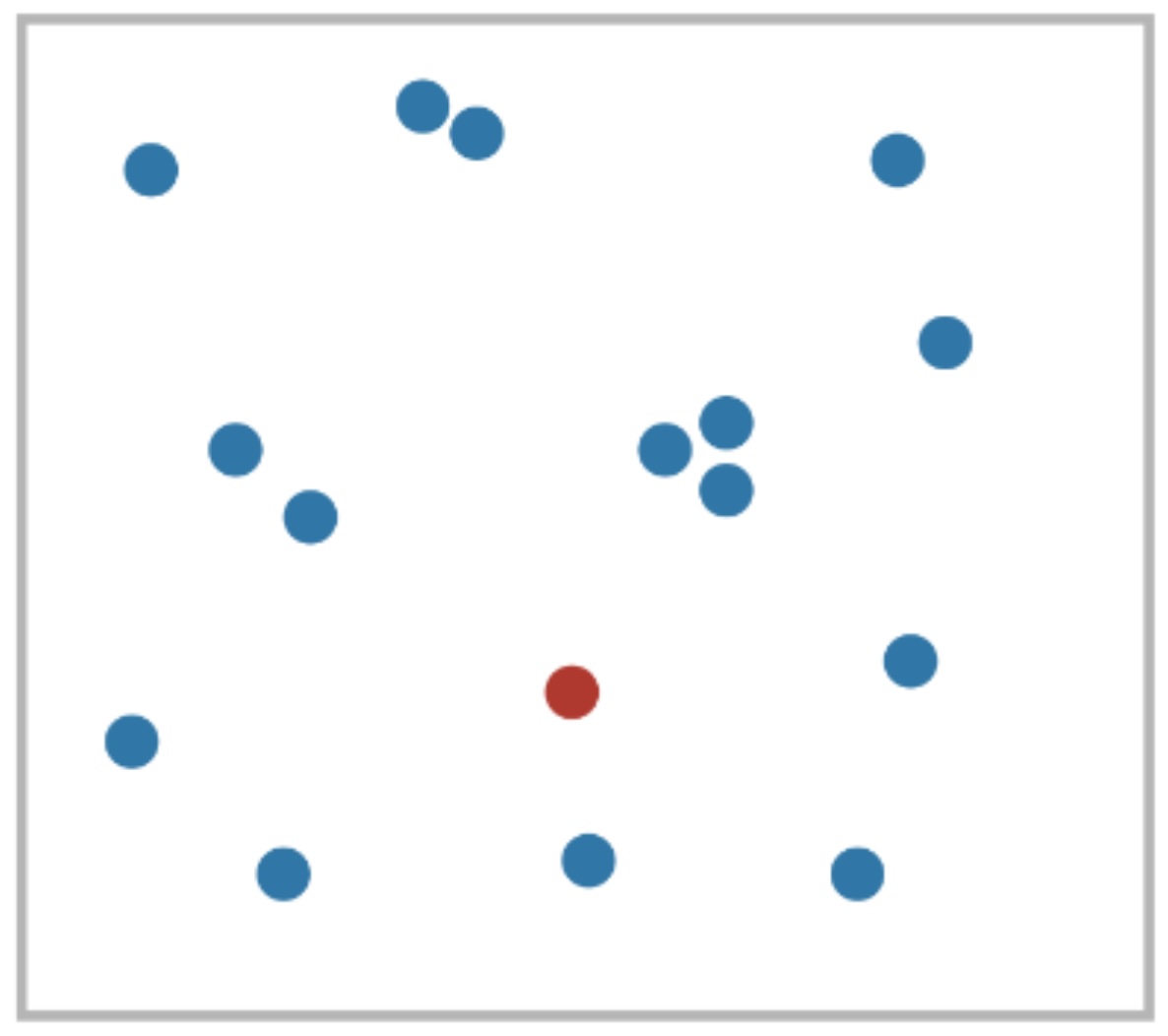
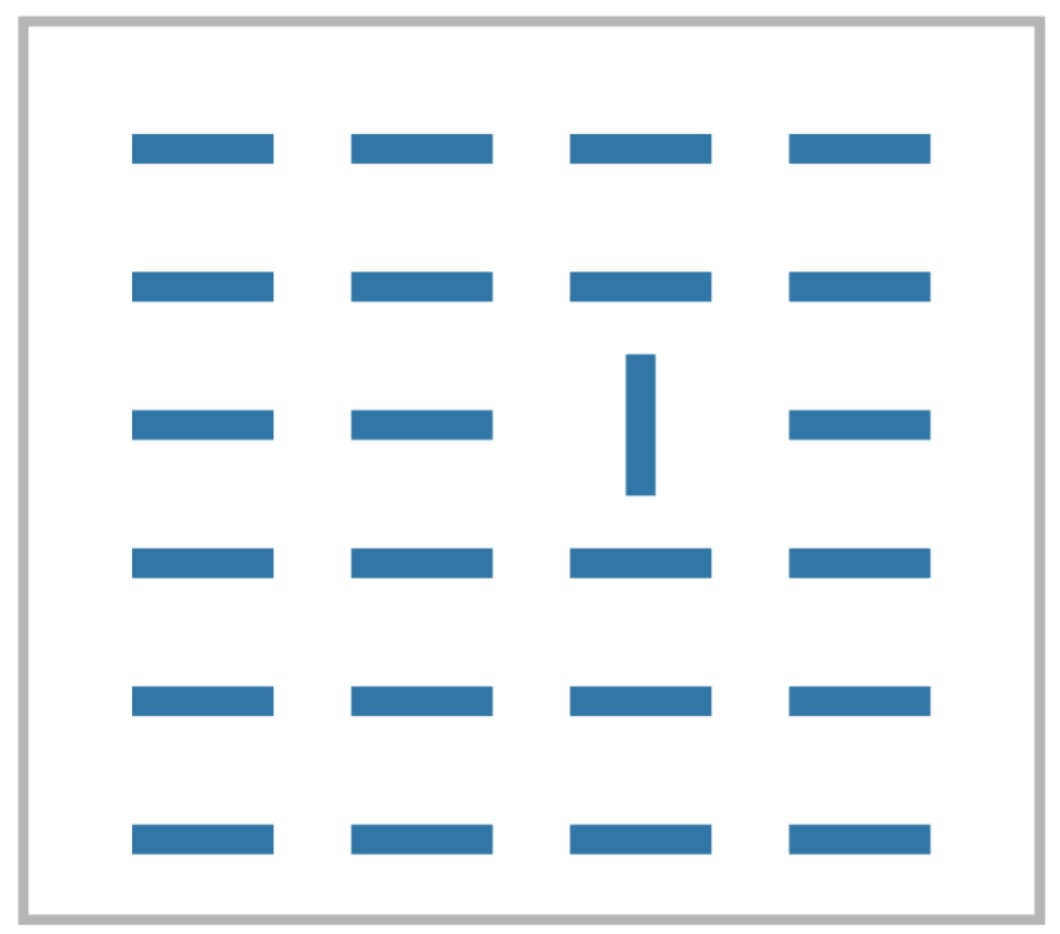
For some features, search time does not depend on the number of distractors (Treisman)
Pre-attentive Processing: Popout
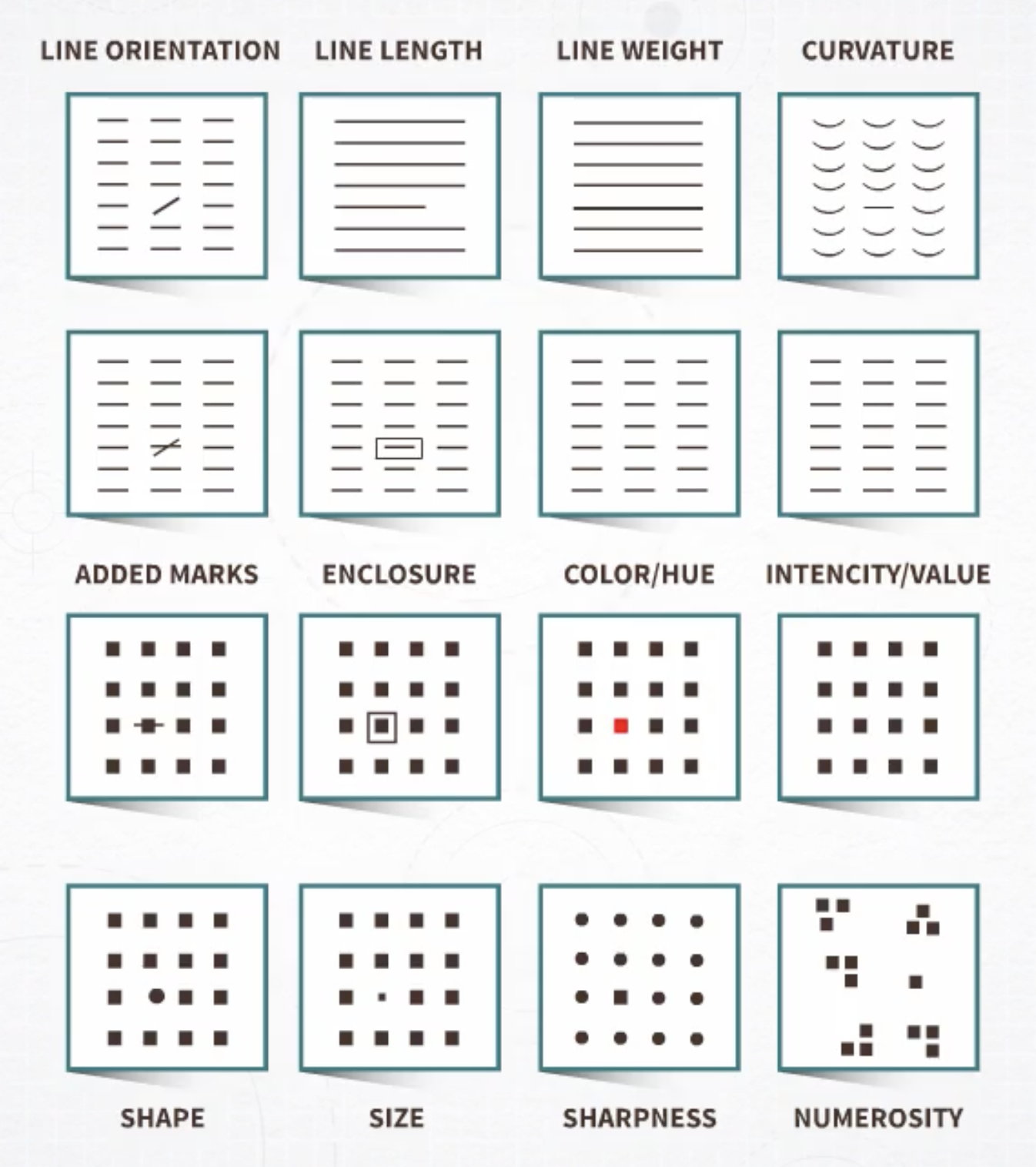
Pre-attentive vs. Attentive
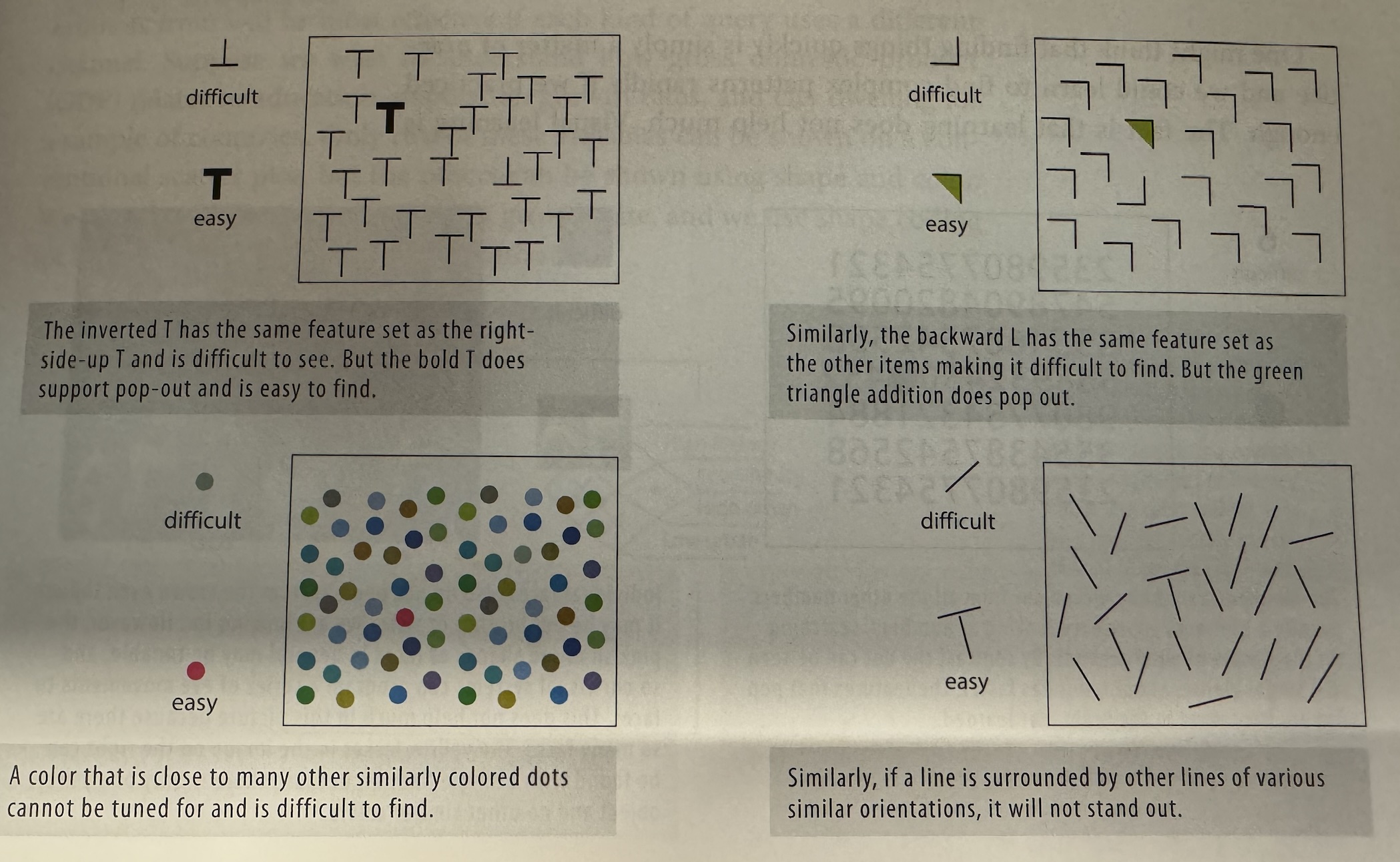
Attentive
Serial search
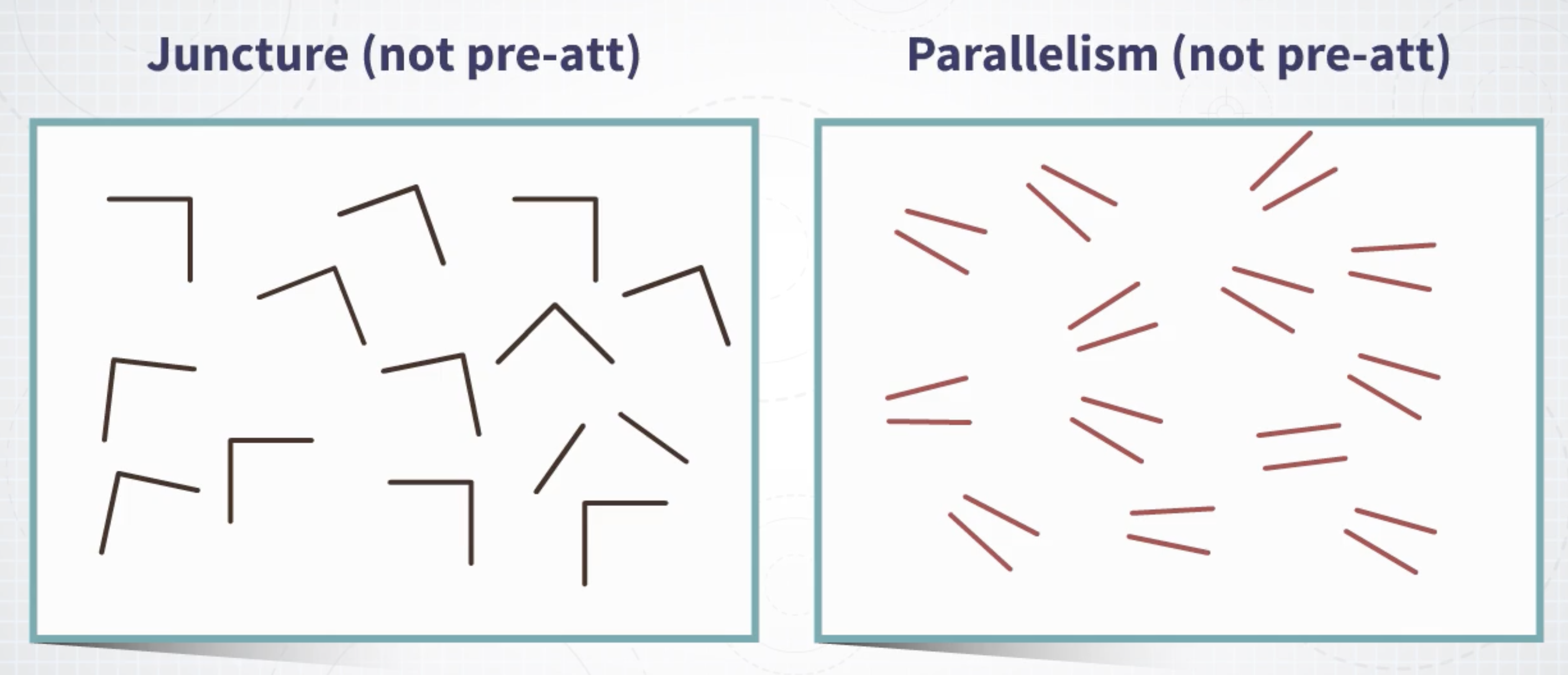
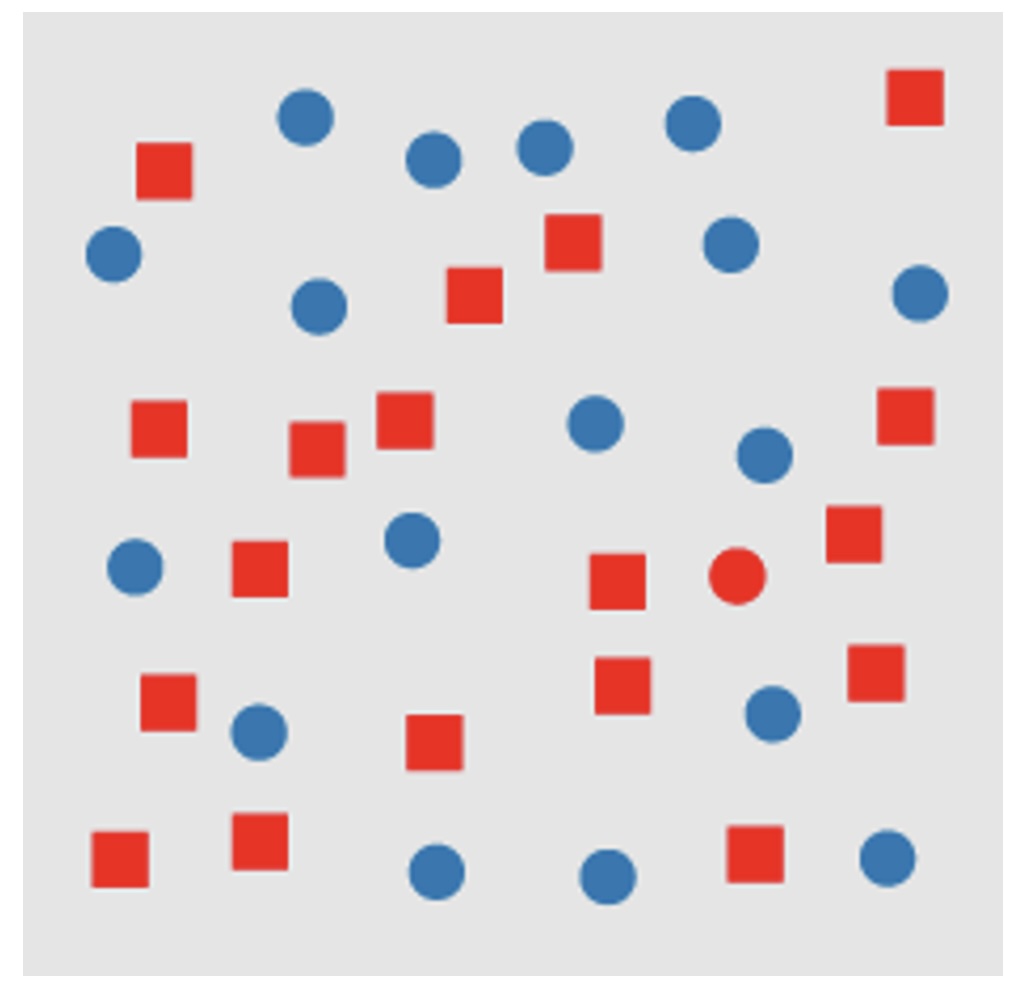
Multiple Channels Usually Not Pre-attentive
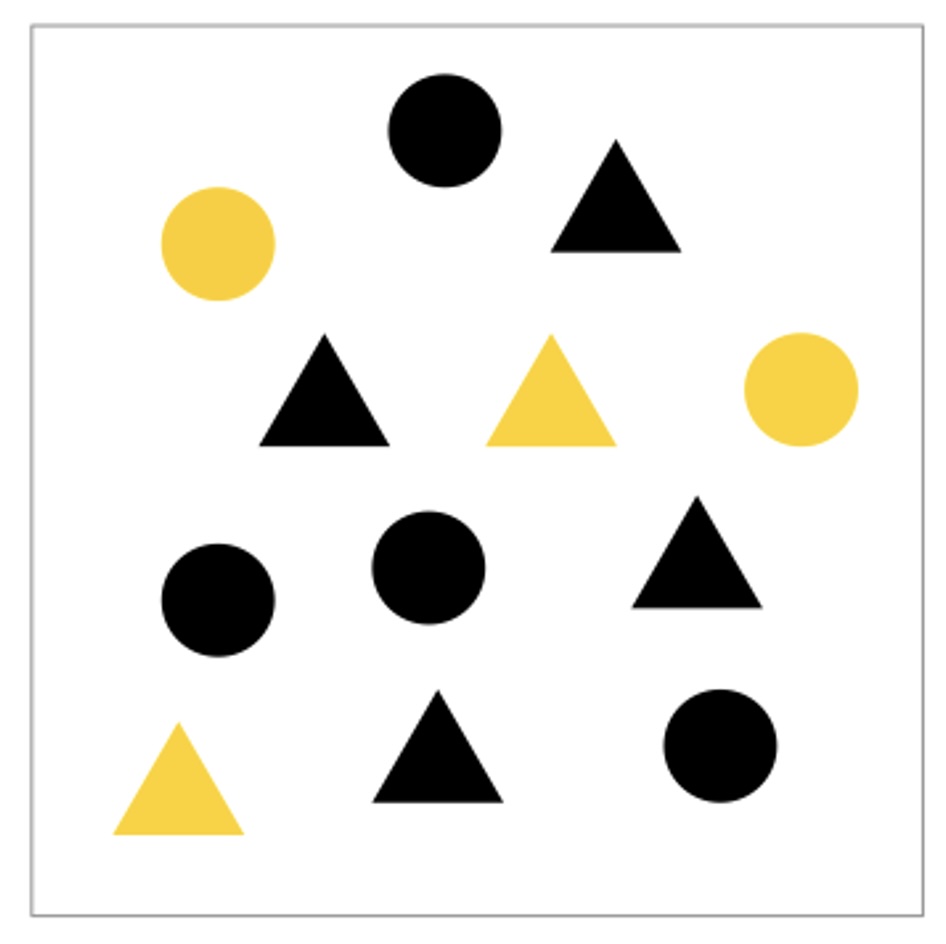
- Red squares, blue circles, and one red circle
- Each feature alone pops out; the conjunction does not
- Encode the target in a single channel, not the intersection of two
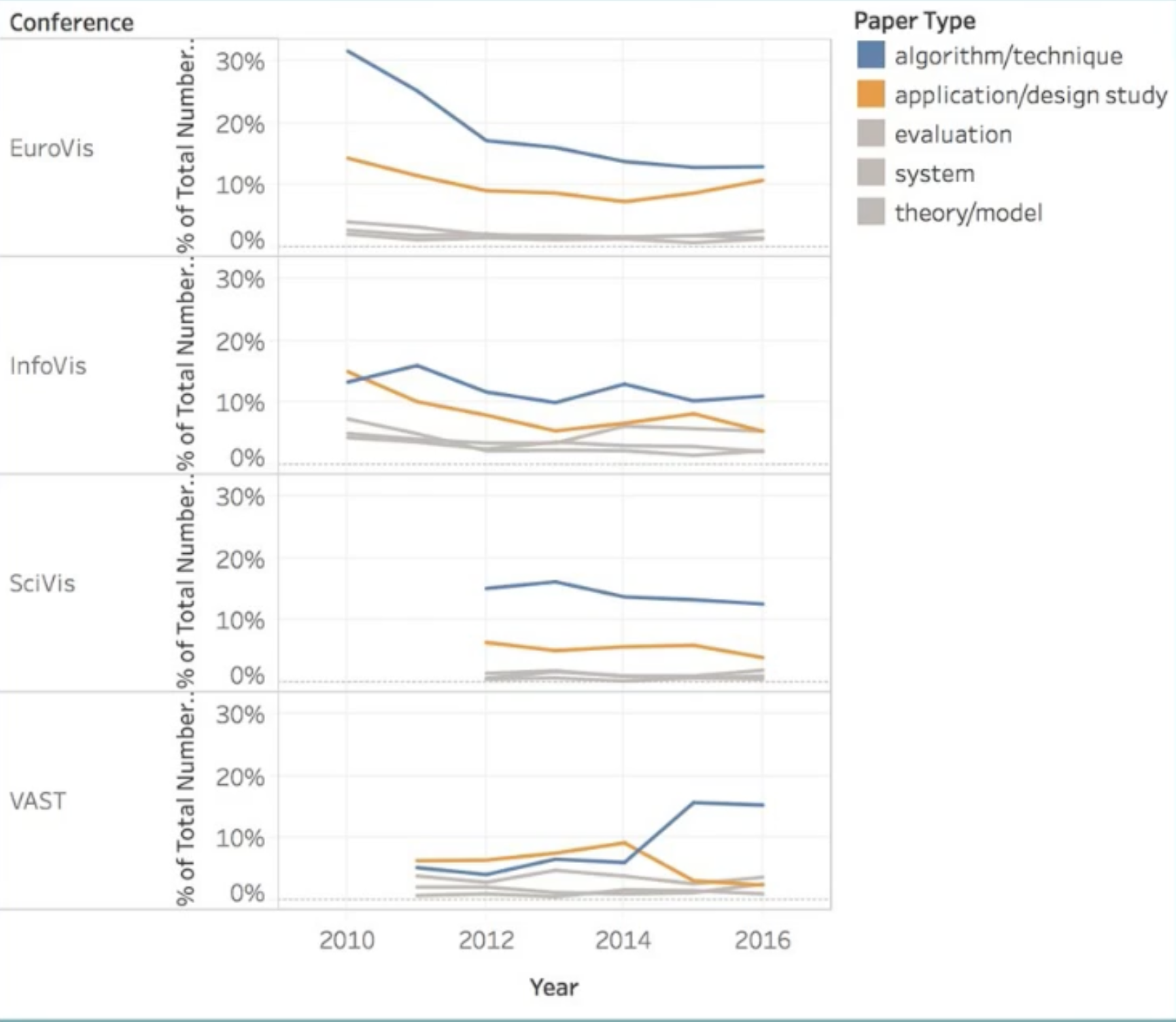
Application to visualization design
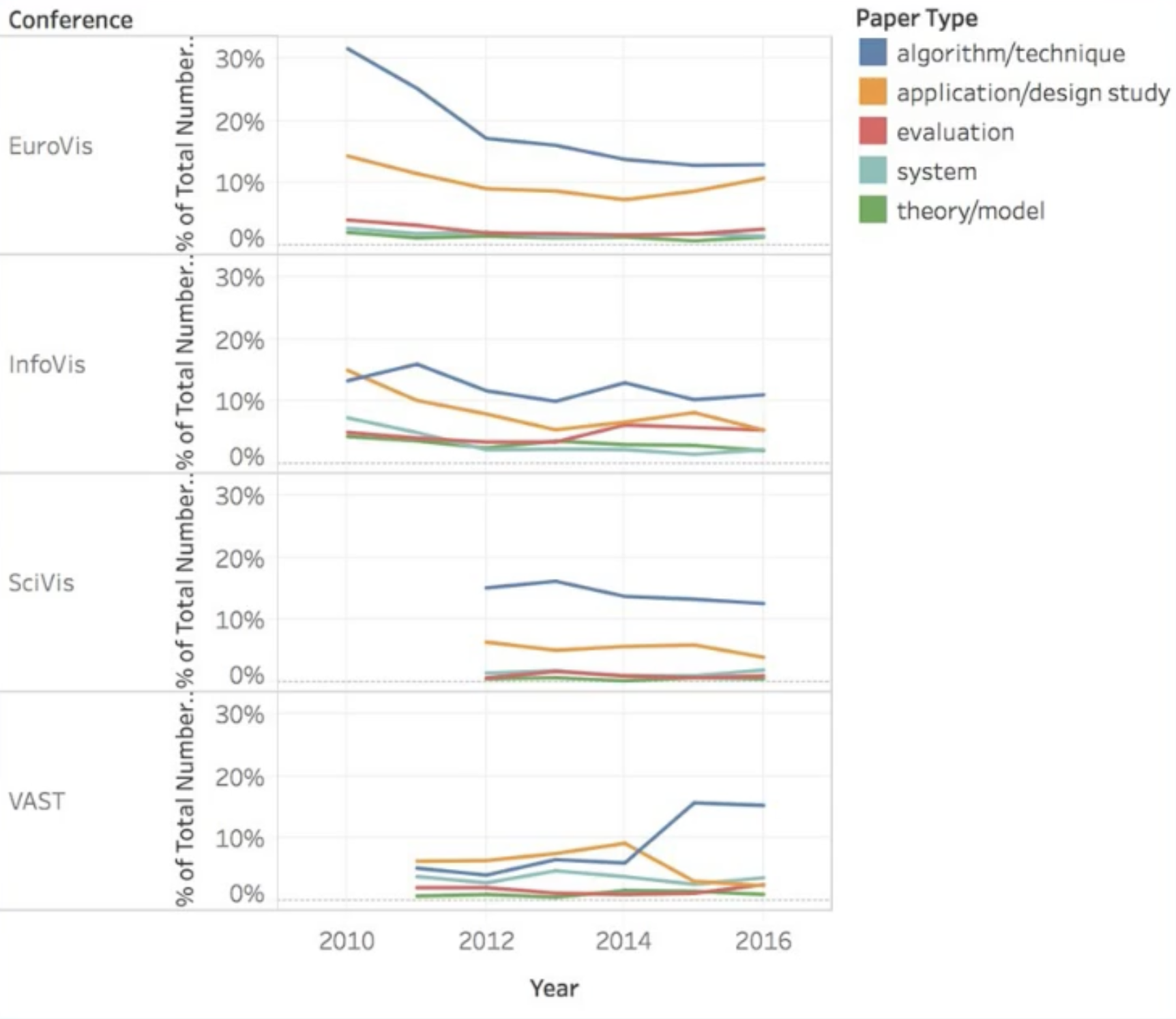
Application to visualization design
Pre-attentive Processing
- Tasks performed in less than 200-250 milliseconds
- Faster than eye movement initiation
- Suggests processing by the parallel low-level visual system
- Same display as before: pop-out does not habituate
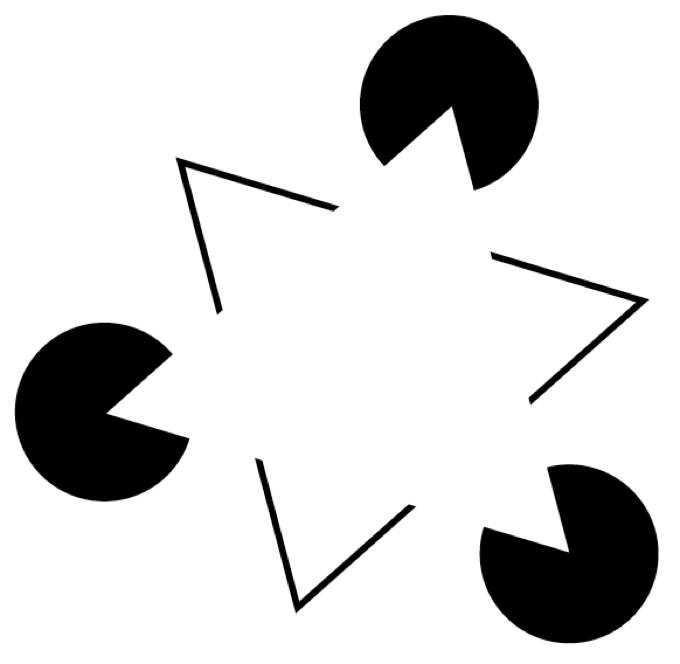
Gestalt: Closure
- We complete incomplete shapes: there is no triangle here
- Implications:
- Visualizations can mislead unintentionally
- Sparse marks can be enough to convey a trend
Gestalt: Similarity
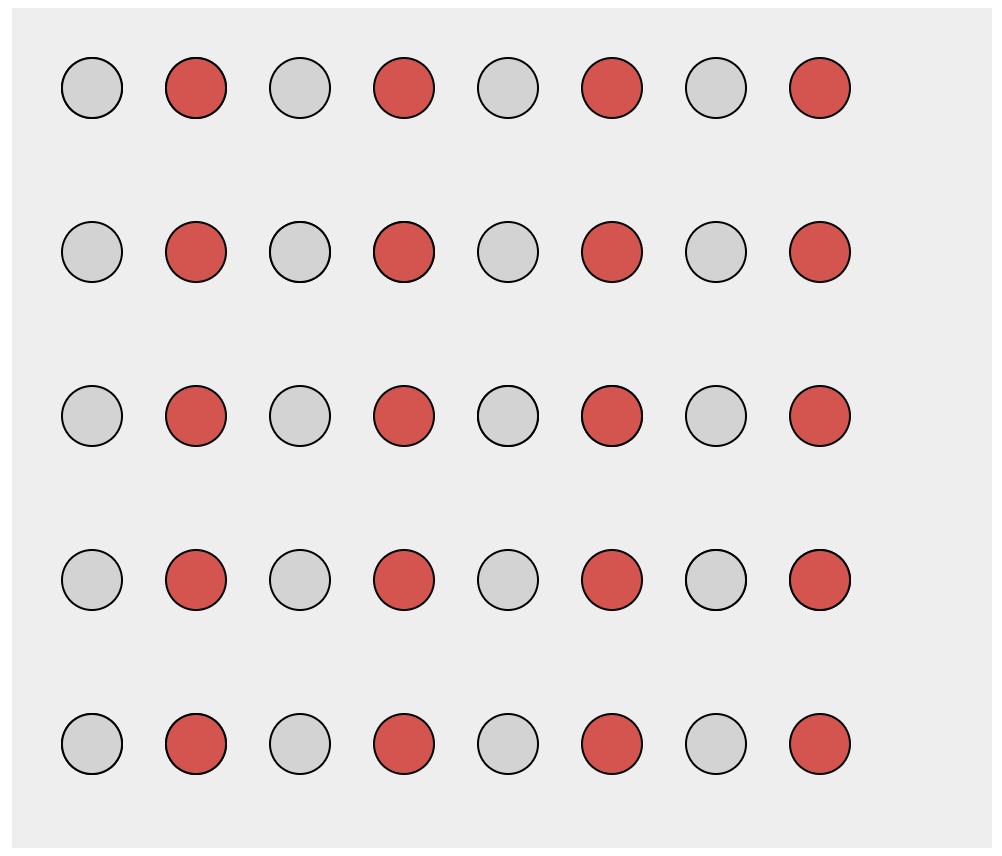
Elements with the same visual properties are perceived as grouped
Gestalt: Proximity
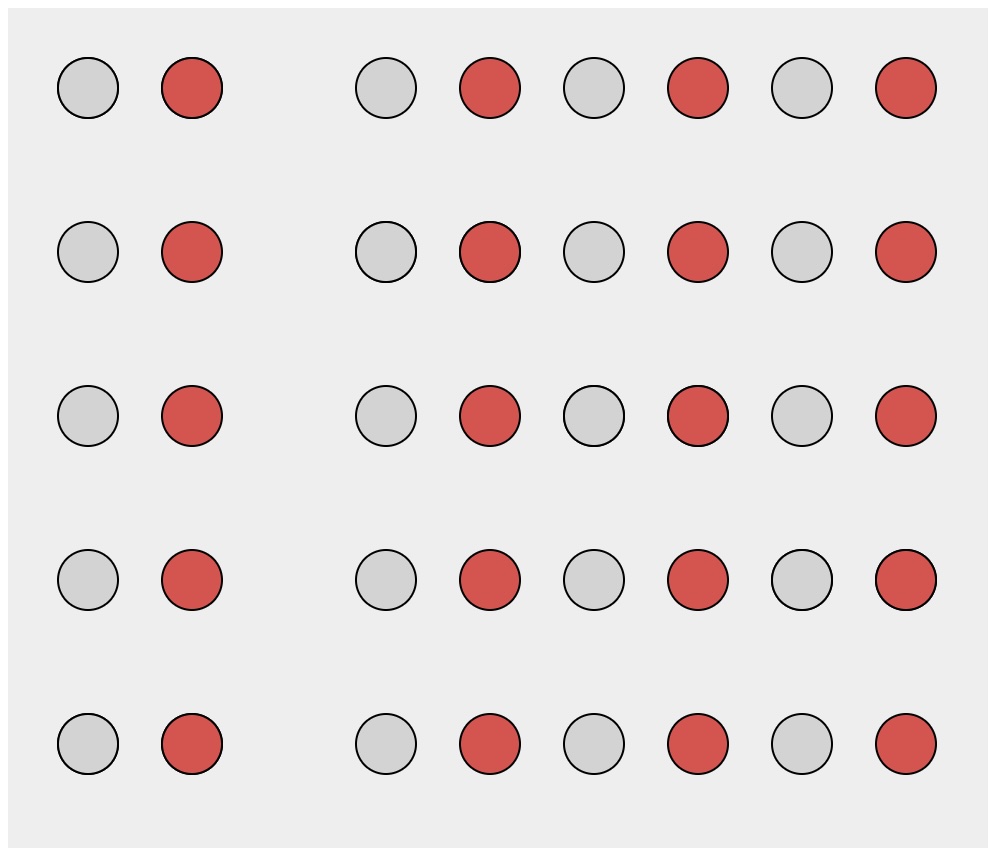
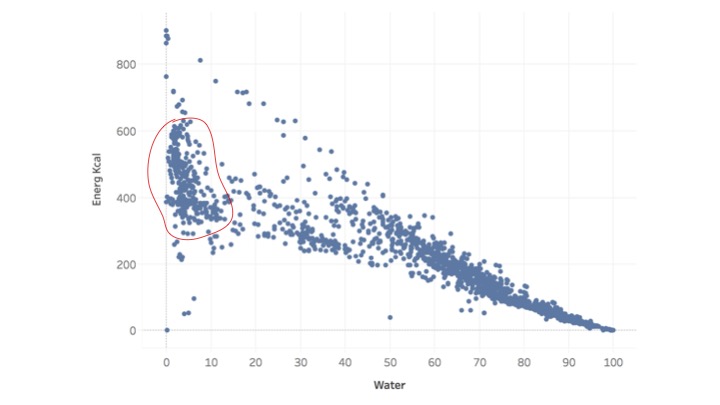
Elements that are spatially close are perceived as grouped
Gestalt: Enclosure
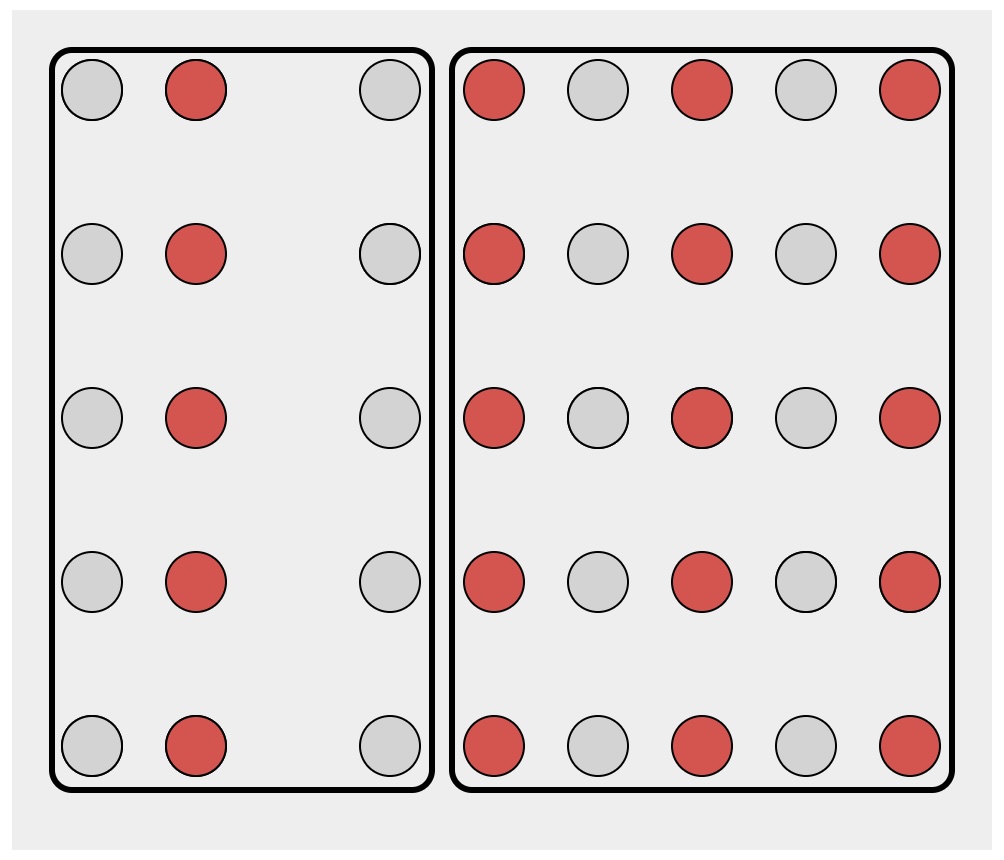
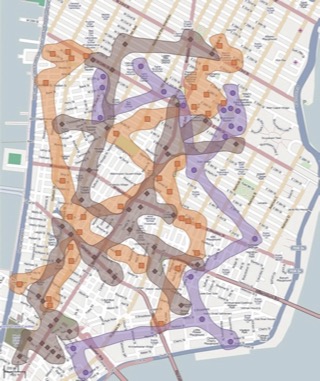
Explicit visual encoding of enclosure depicts grouping
Gestalt: Connection
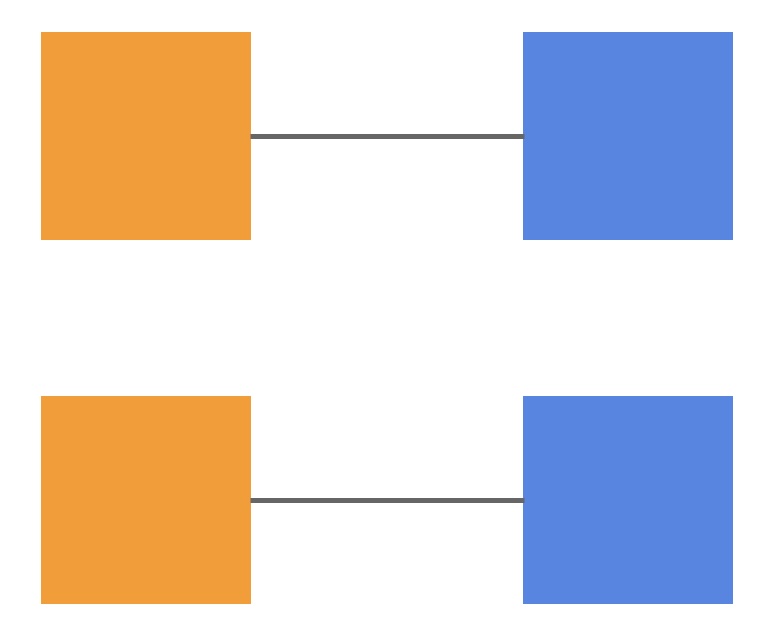
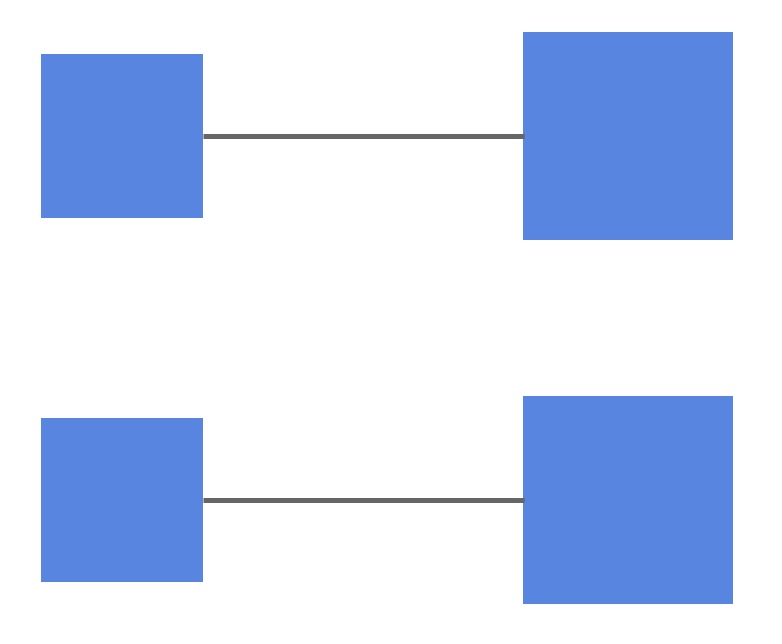
Objects connected together are perceived as a group
Connection Examples
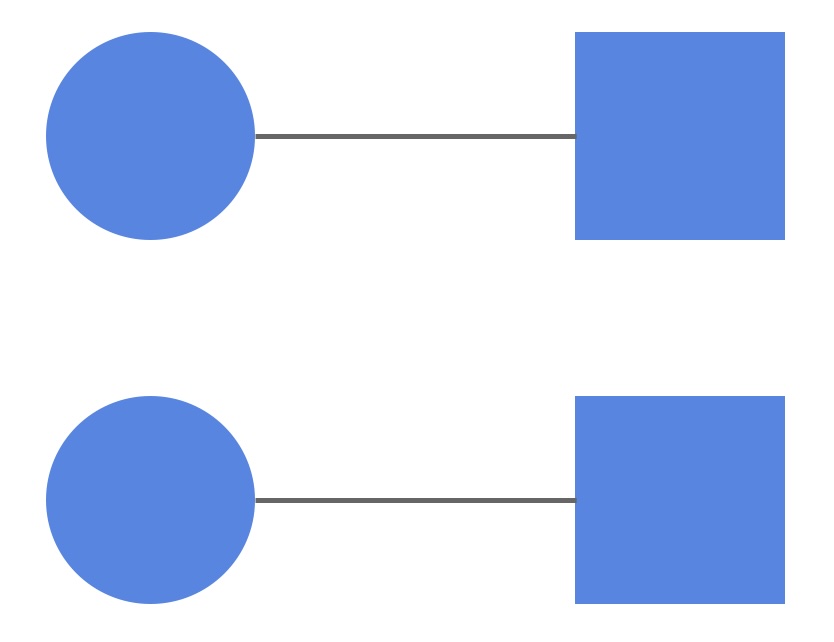
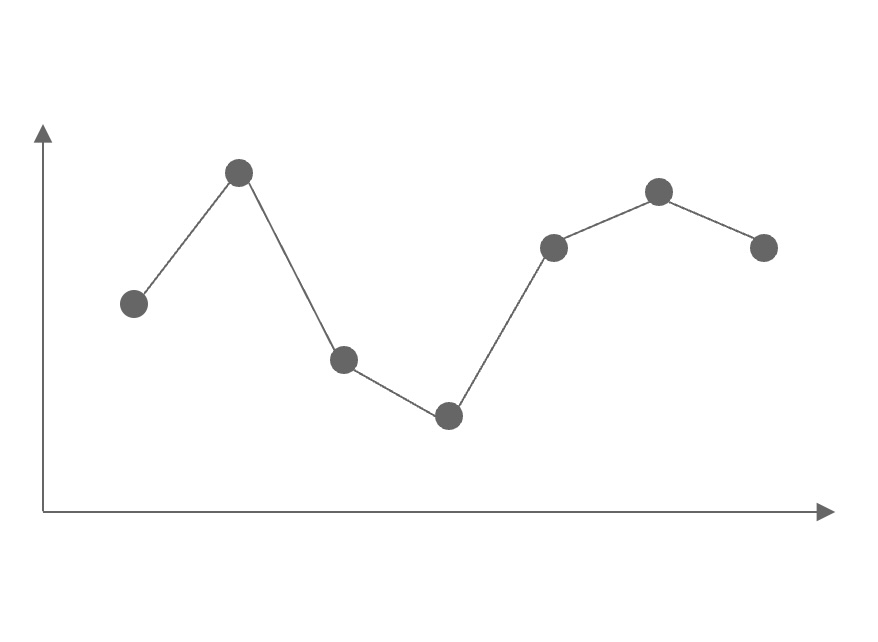
Just Noticeable Difference (JND)
- The amount something must change to be noticed at least 50% of the time
- Weber’s law: the JND is a constant fraction of the stimulus
- Stevens’s power law is the cumulative version (Wikipedia)
- A difference below the JND is not encoded, whatever the data says
Channel Separability
- Amount of interference between channels
- Colour and shape are separable: attend to one, ignore the other
- Width and height of a rectangle are integral: they fuse into size and shape
- Separable channels can carry two variables; integral ones cannot