Visualization for NLP and LLMs
DS-GA 3001 - Fall 2026
2026-11-03
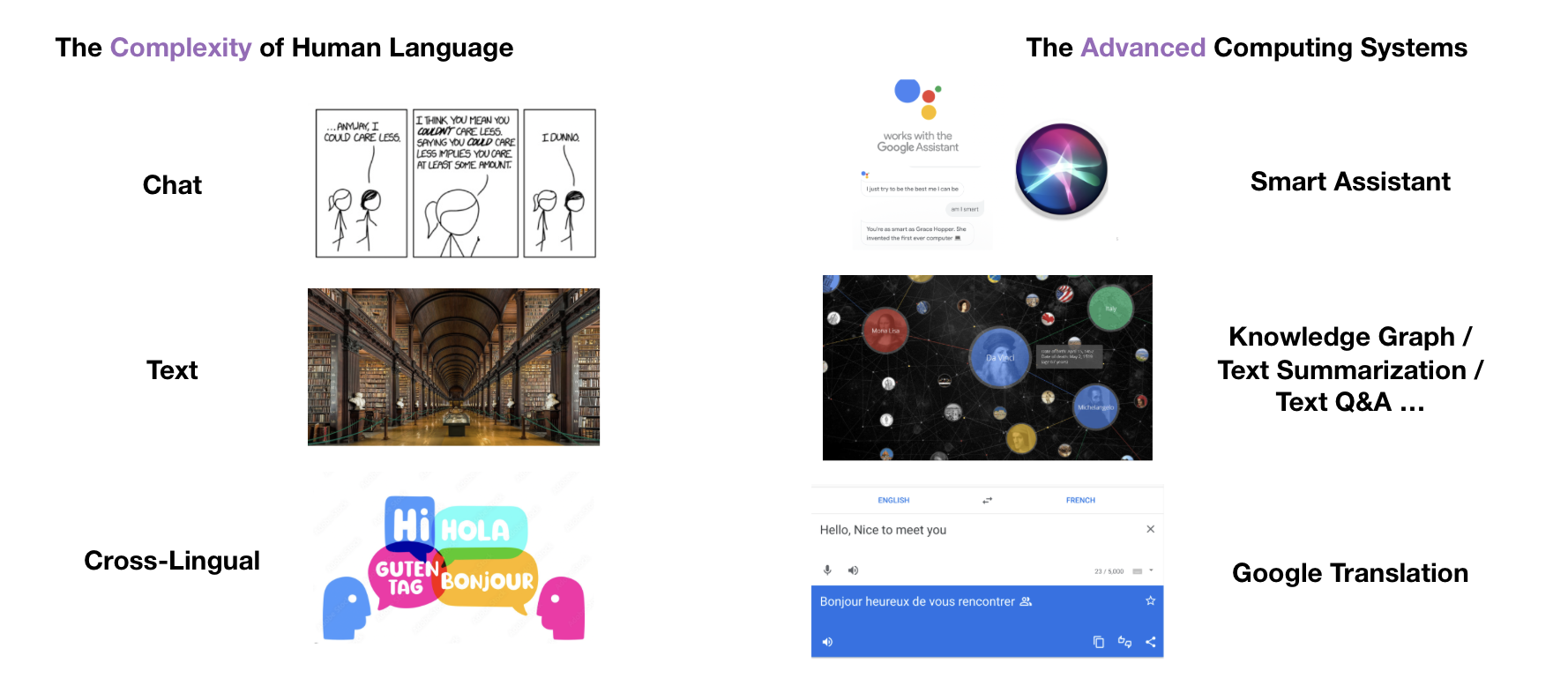
NLP basics: Tasks and challenges
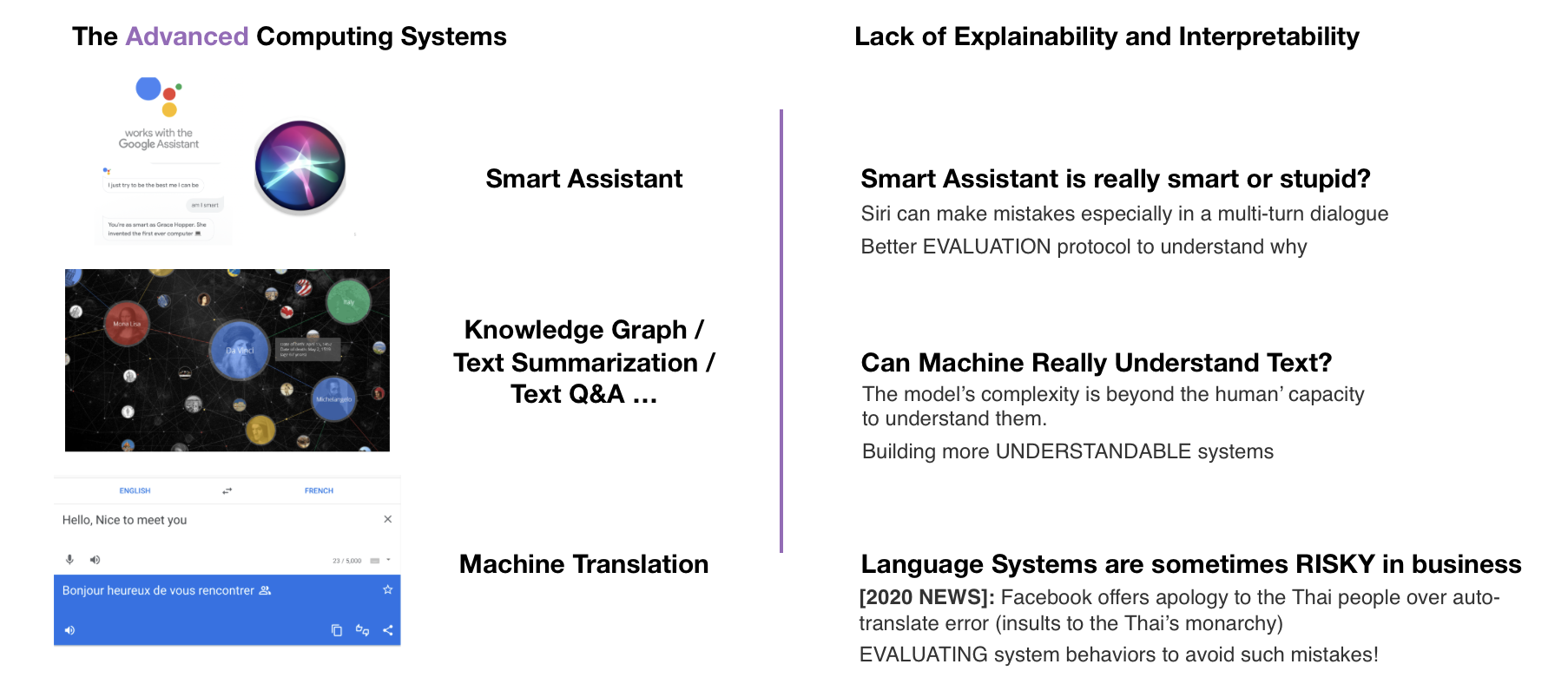
NLP basics: Tasks and challenges
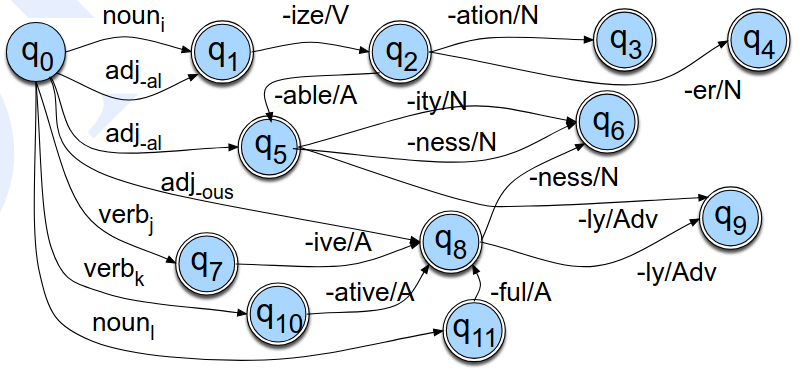
NLP basics: Analysis and representation
- Lexical and morphological analysis
- Finite-state morphological parsers
- Syntactic recognition and representation
- Shallow parser or chunker
- Context-free Grammar
- Morphosyntactic analysis
- Part-of-Speech (POS) tagging
- Representing Meaning
- First-order logic
- Semantic Network
- Conceptual Dependency Diagram
- Frame-based approach
NLP basics: Analysis and representation
- Lexical and morphological analysis
- Finite-state morphological parsers
- Syntactic recognition and representation
- Shallow parser or chunker
- Context-free Grammar
- Morphosyntactic analysis
- Part-of-Speech (POS) tagging
- Representing Meaning
- First-order logic
- Semantic Network
- Conceptual Dependency Diagram
- Frame-based approach
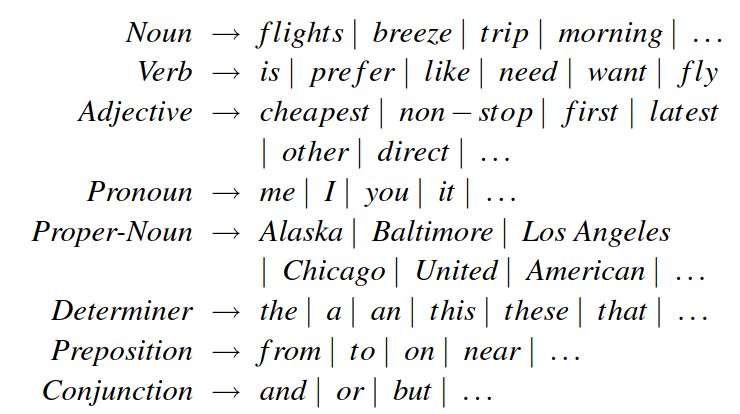
NLP basics: Analysis and representation
- Lexical and morphological analysis
- Finite-state morphological parsers
- Syntactic recognition and representation
- Shallow parser or chunker
- Context-free Grammar
- Morphosyntactic analysis
- Part-of-Speech (POS) tagging
- Representing Meaning
- First-order logic
- Semantic Network
- Conceptual Dependency Diagram
- Frame-based approach
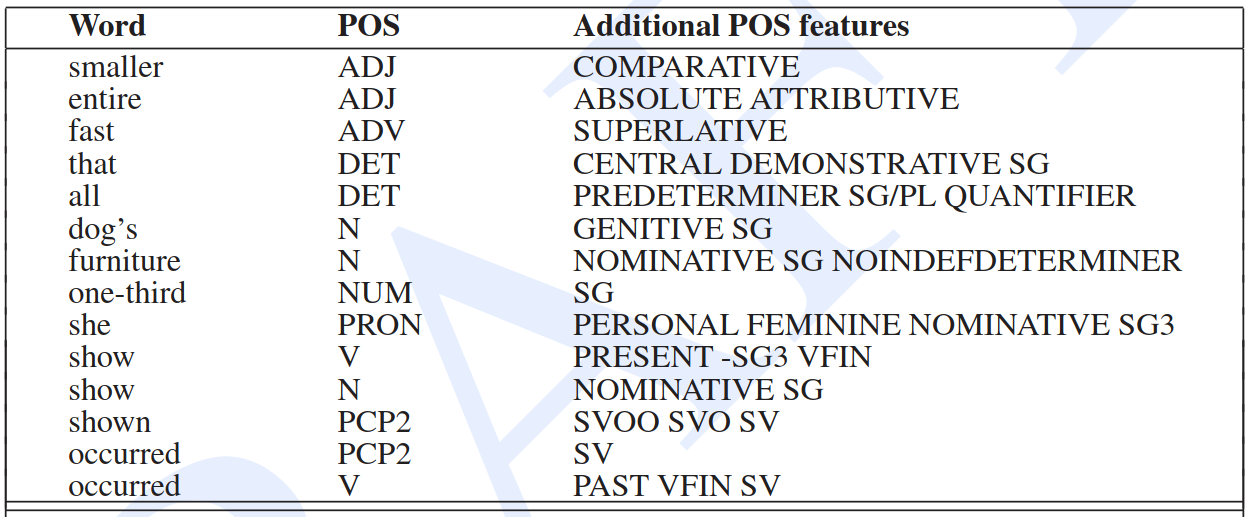
NLP basics: Analysis and representation
- Lexical and morphological analysis
- Finite-state morphological parsers
- Syntactic recognition and representation
- Shallow parser or chunker
- Context-free Grammar
- Morphosyntactic analysis
- Part-of-Speech (POS) tagging
- Representing Meaning
- First-order logic
- Semantic Network
- Conceptual Dependency Diagram
- Frame-based approach
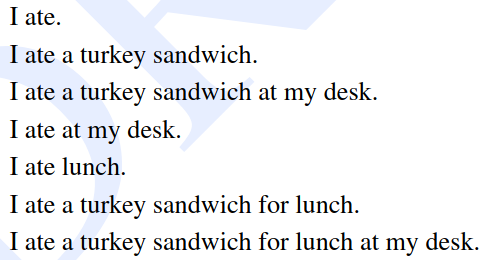
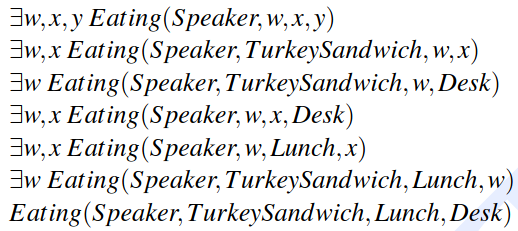
NLP basics: Sparse and dense text representation
- Sparse embeddings
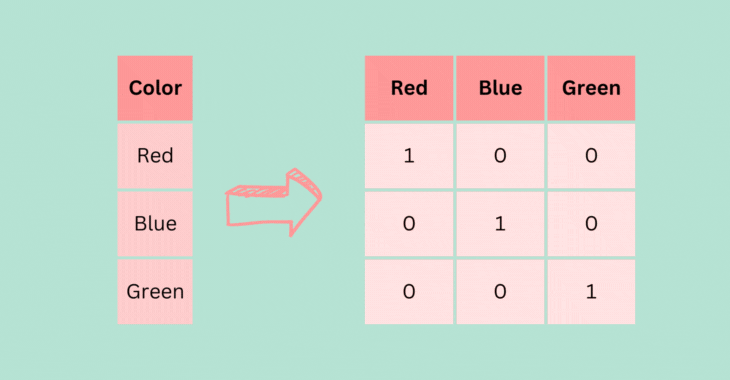
- One-hot encoding
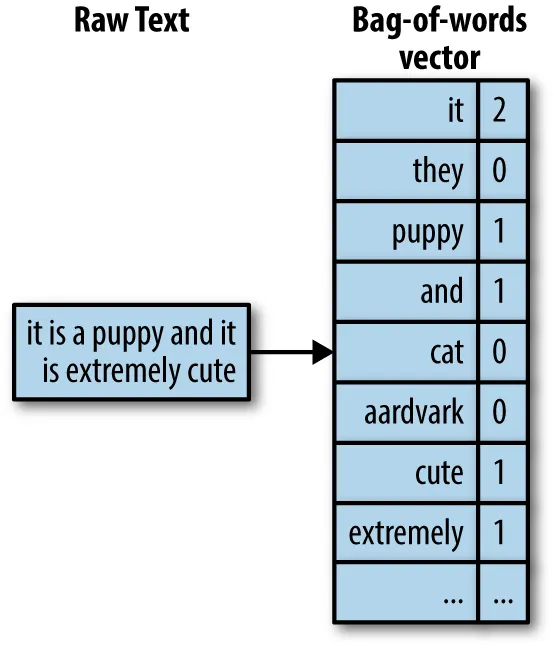
- Bag-of-Words (BoW)
- Term Frequency-Inverse Document Frequency (TF-IDF)
- Dense embeddings
NLP basics: Sparse and dense text representation
- Sparse embeddings
- One-hot encoding
- Bag-of-Words (BoW)
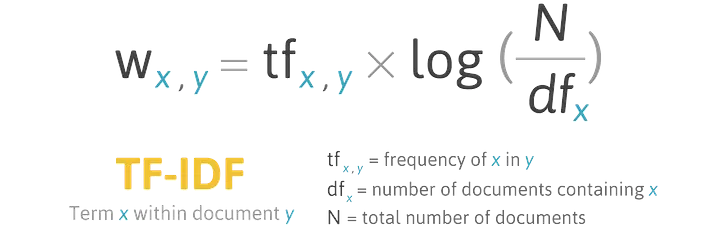
- Term Frequency-Inverse Document Frequency (TF-IDF)
- Dense embeddings
NLP basics: Sparse and dense text representation
- Sparse embeddings
- One-hot encoding
- Bag-of-Words (BoW)
- Term Frequency-Inverse Document Frequency (TF-IDF)
- Dense embeddings
NLP basics: Sparse and dense text representation
- Sparse embeddings
- One-hot encoding
- Bag-of-Words (BoW)
- Term Frequency-Inverse Document Frequency (TF-IDF)
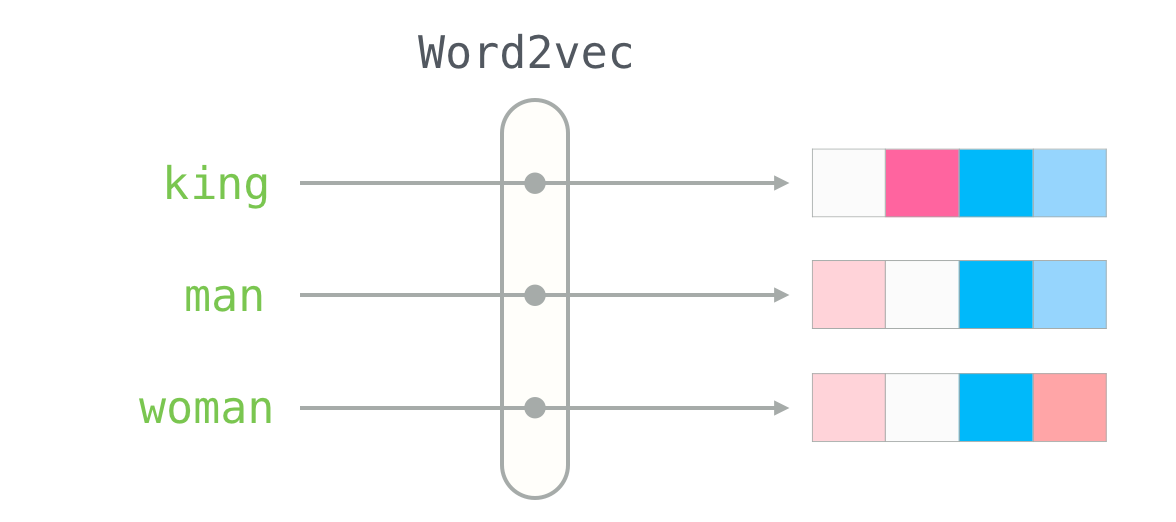
- Dense embeddings
NLP basics: Neural Network recap.
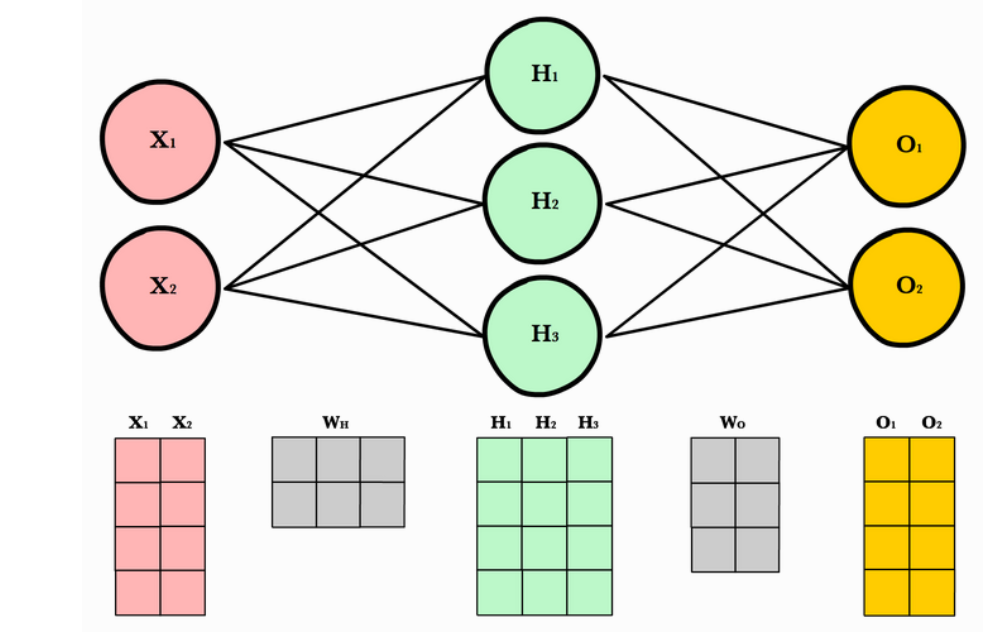
MLP
NLP basics: Neural Network recap.
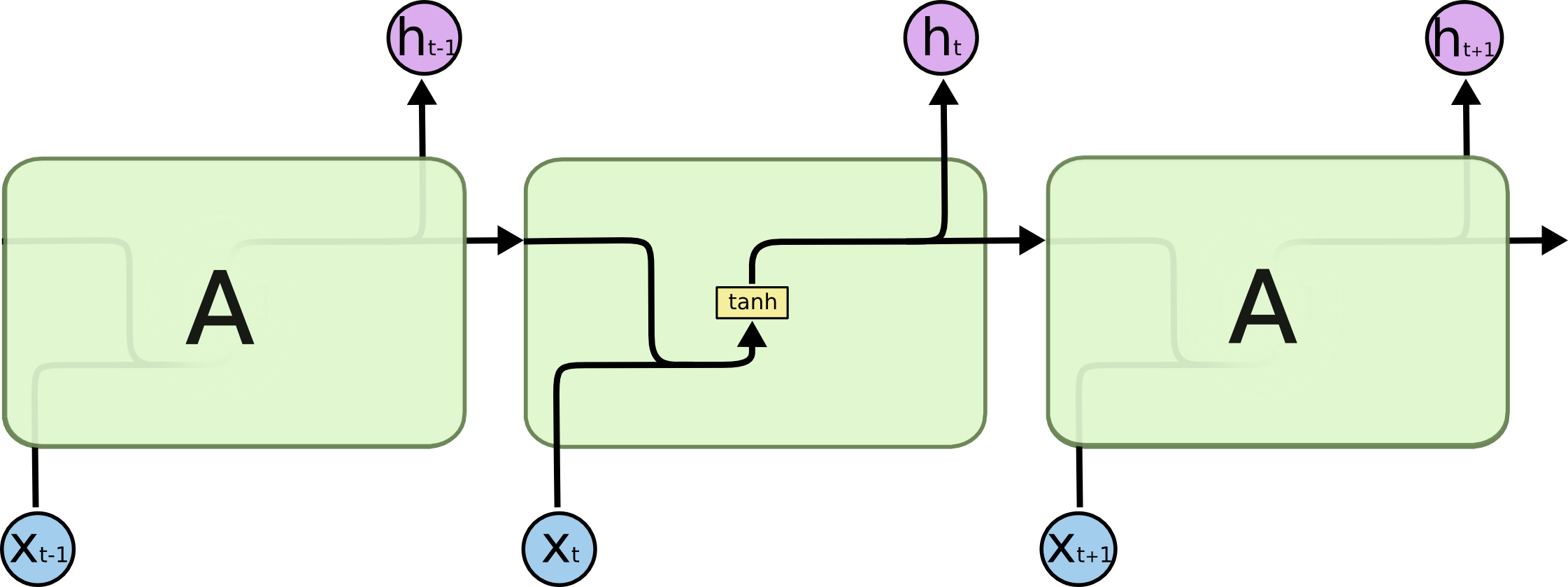
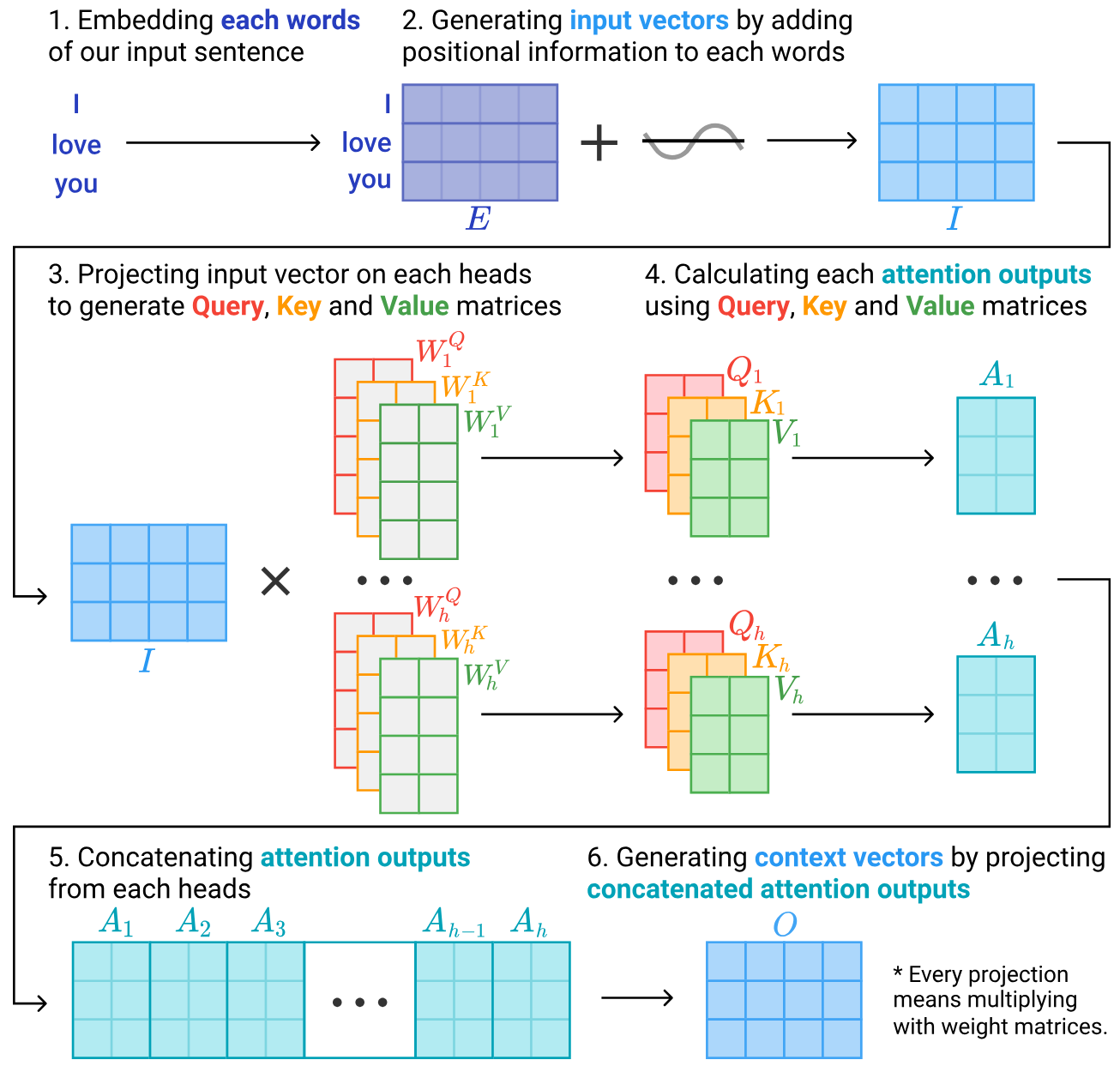
NLP basics: Neural Network recap.
- Replaces recurrence with self-attention
- All tokens are processed in parallel
- Basis of BERT, GPT and today’s LLMs
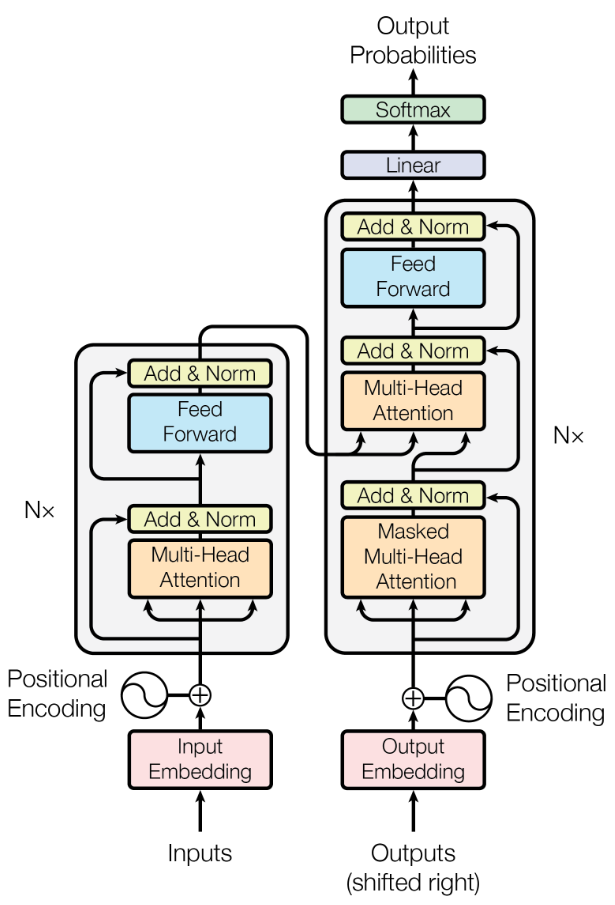
NLP basics: Neural Network recap.
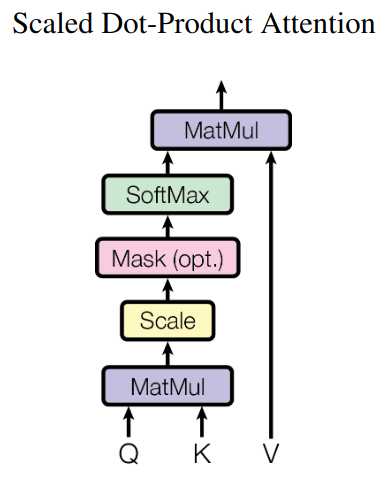
NLP basics: Neural Network recap.
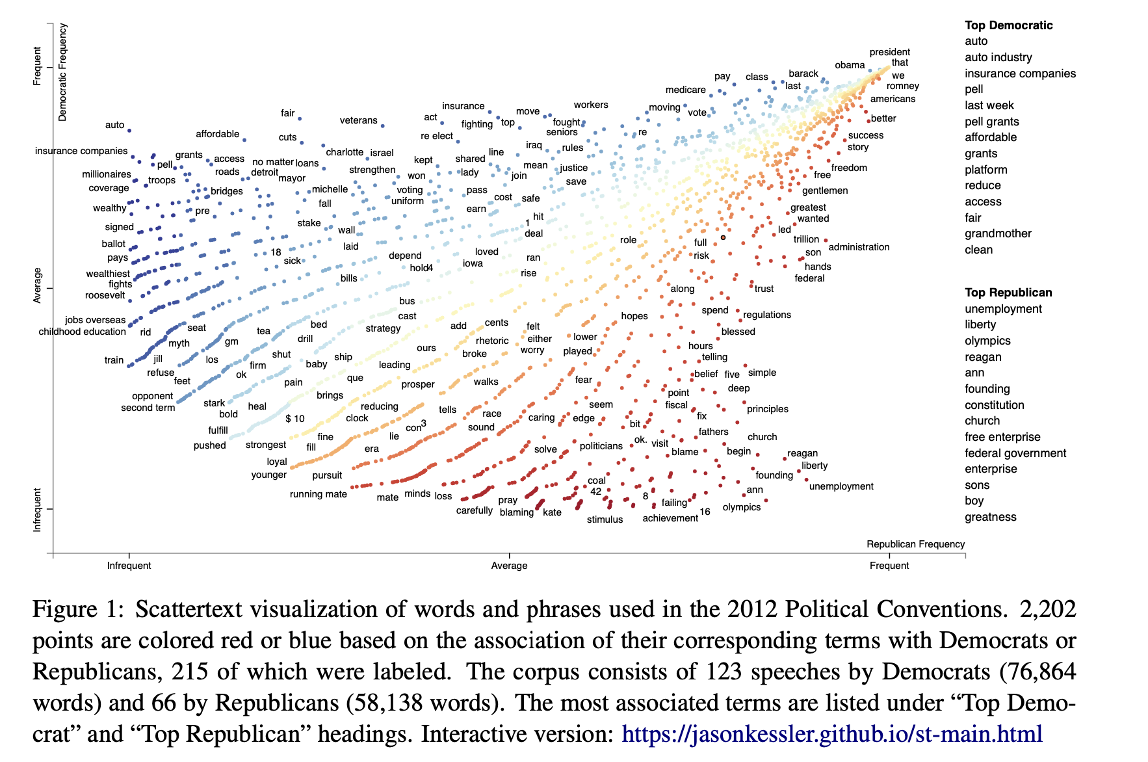
Visualization for NLP: General Text Visualization
Scattertext: every term is a point, placed by how often each corpus uses it.
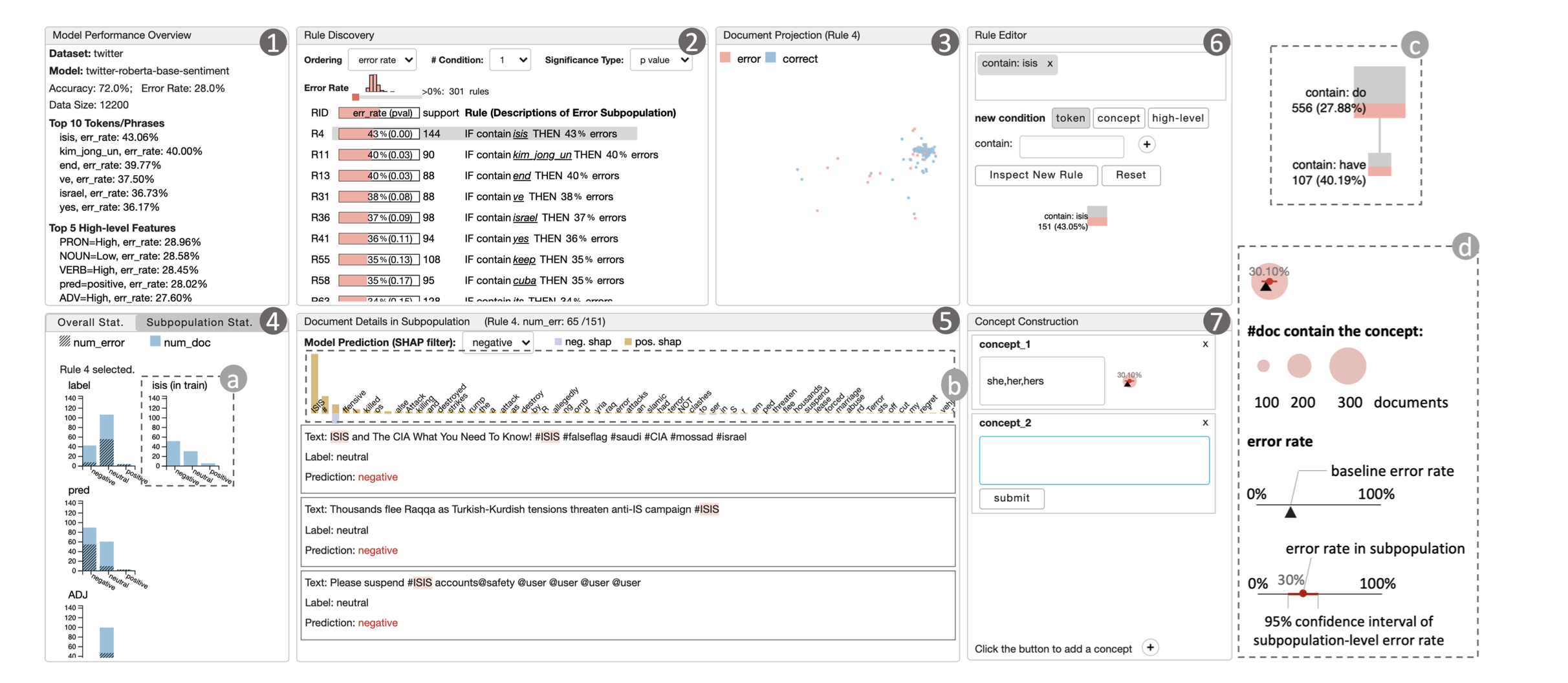
Visualization for NLP: Model agnostic explanation
iSEA finds subpopulations of text where the model makes errors, as editable rules.
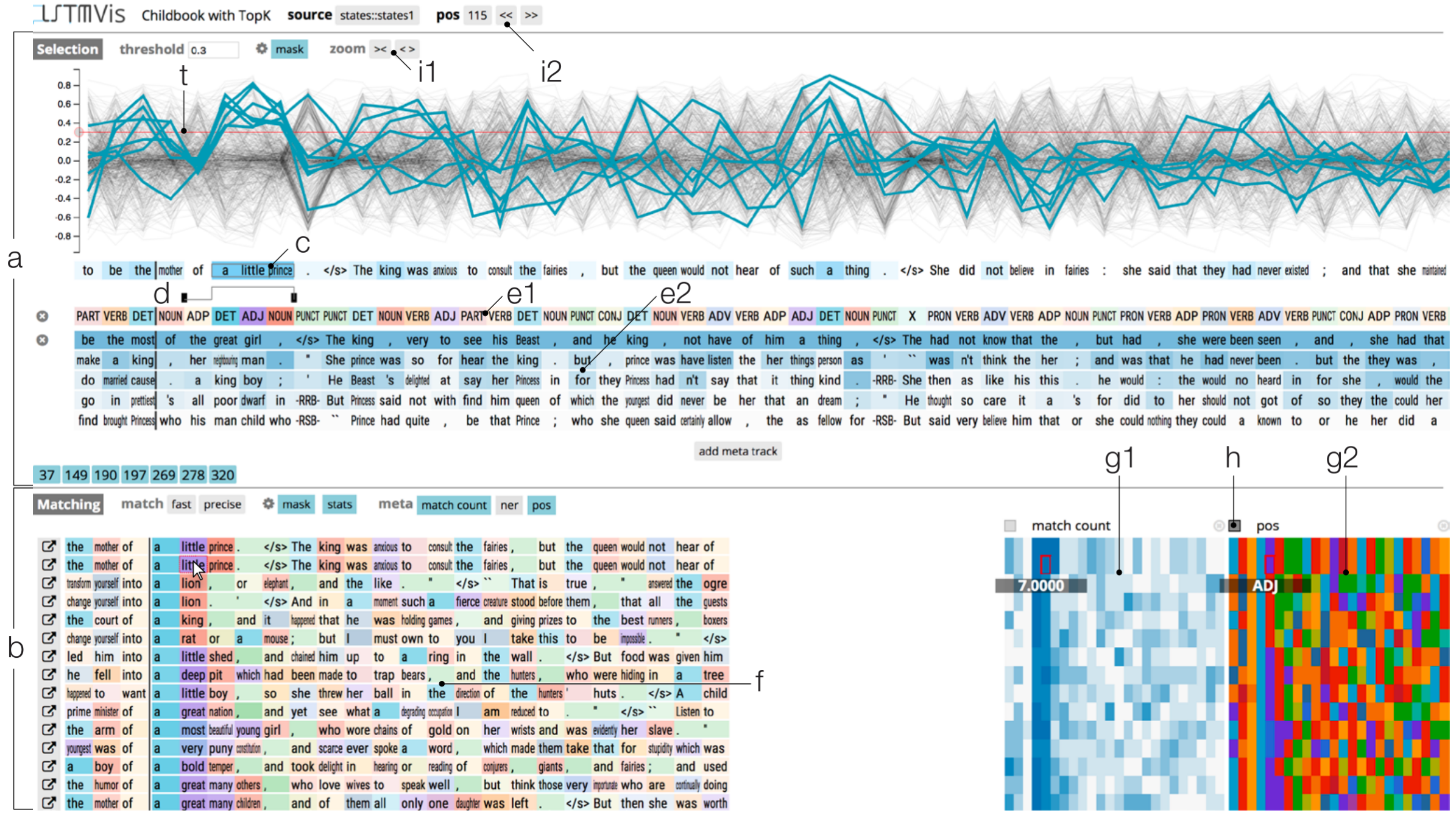
Visualization for NLP: RNN Visualization
LSTMVis: select a phrase, find every place in the corpus where the hidden state behaves the same way.
Visualization for NLP: LLM Visualization
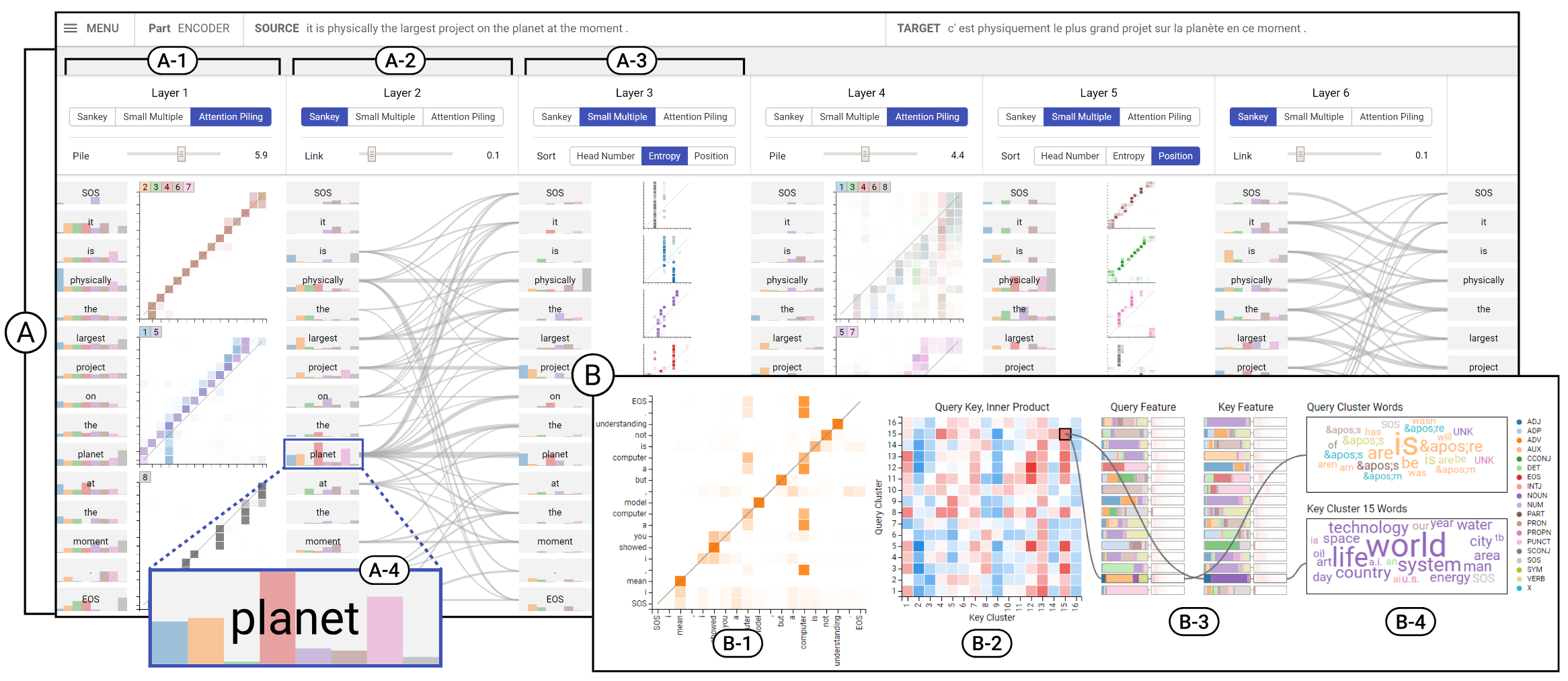
SANVis: the attention of every layer and head, in three coordinated views.
Visualization for NLP: LLM Visualization
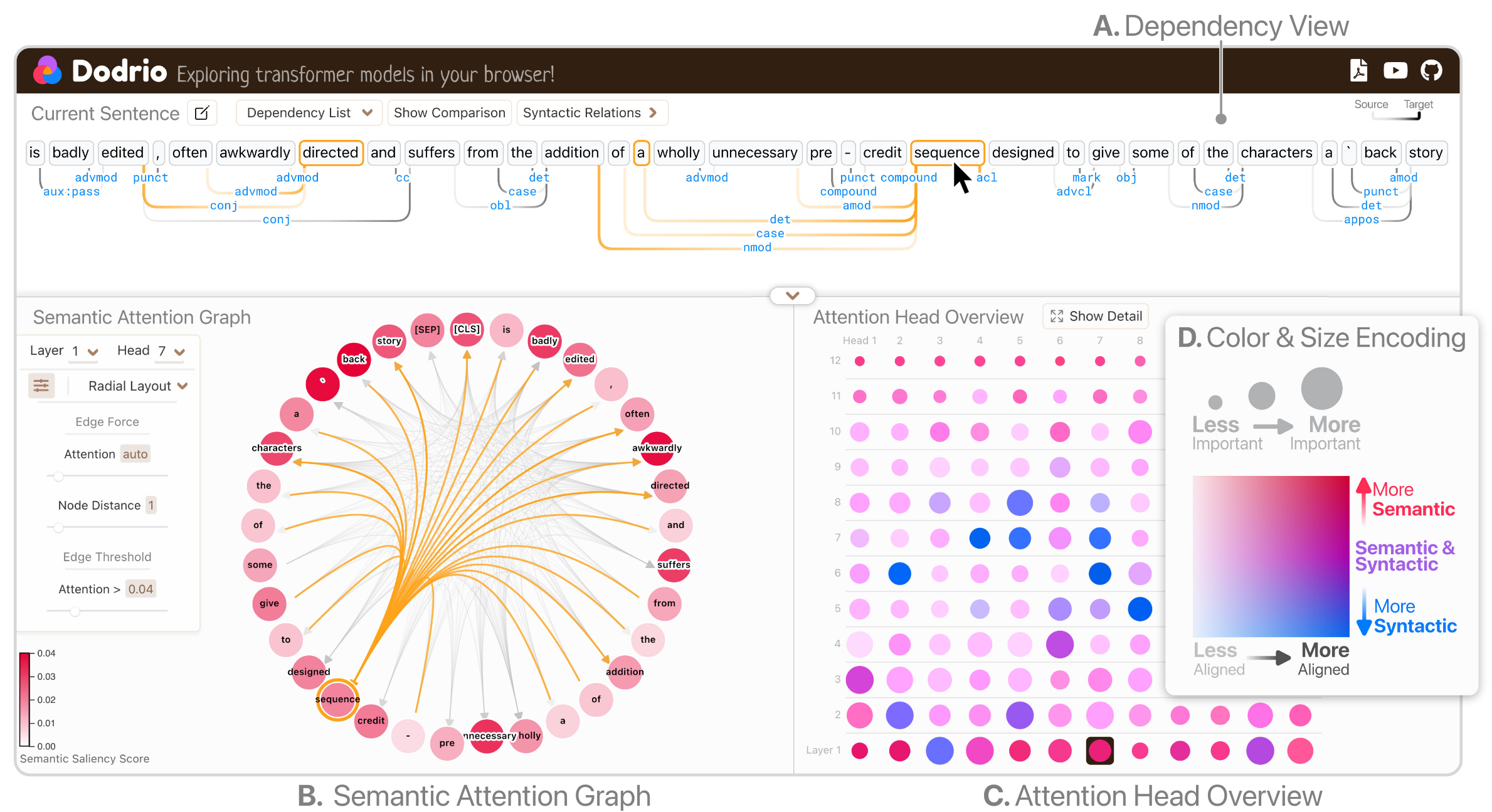
Dodrio: is a head attending to syntax, to semantics, or to both?
Visualization for NLP: LLM Visualization
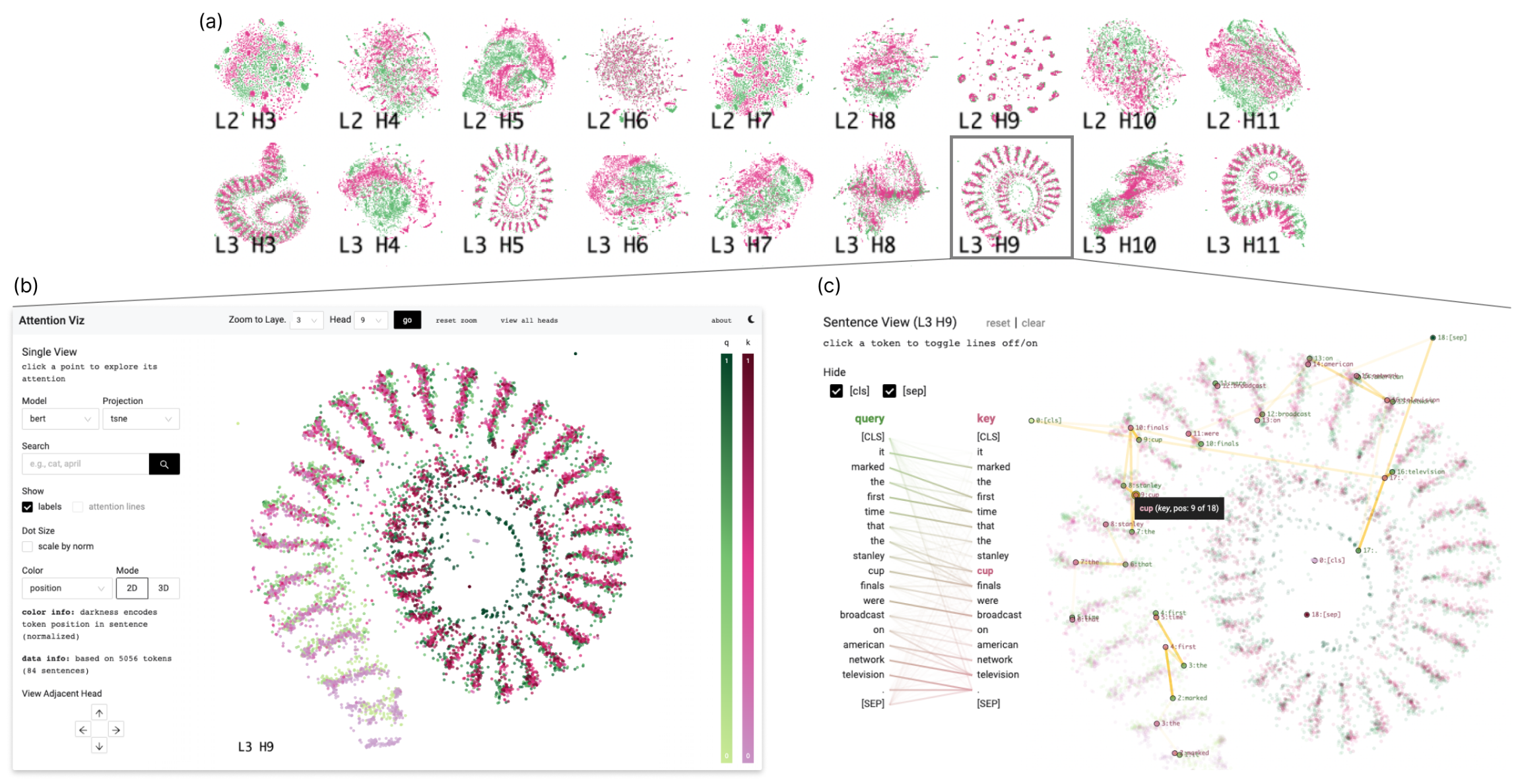
AttentionViz: project queries and keys into one space and look at the shapes.
Visualization for NLP: LLM Visualization
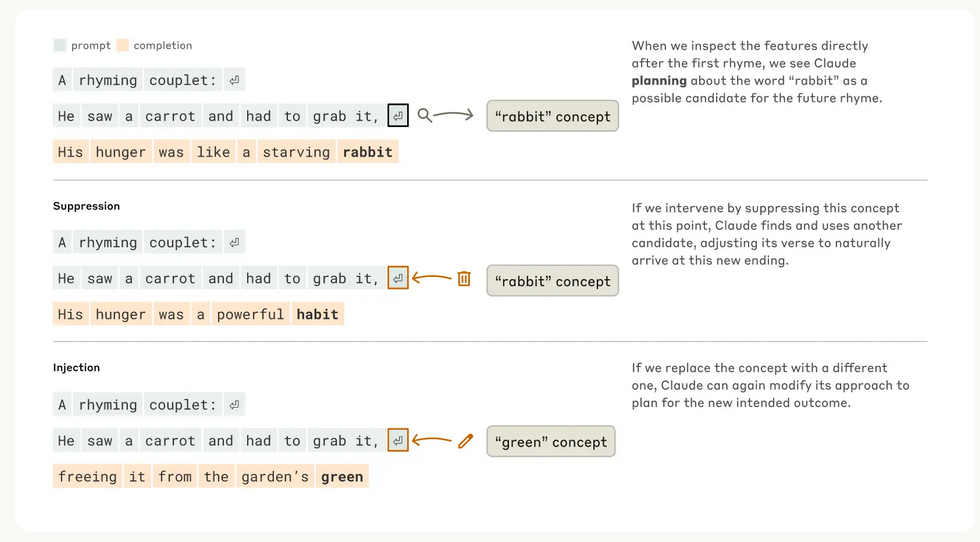
On the Biology of a Large Language Model: attribution graphs trace the internal steps behind an answer.
Does Claude plan its rhymes?
Mental math
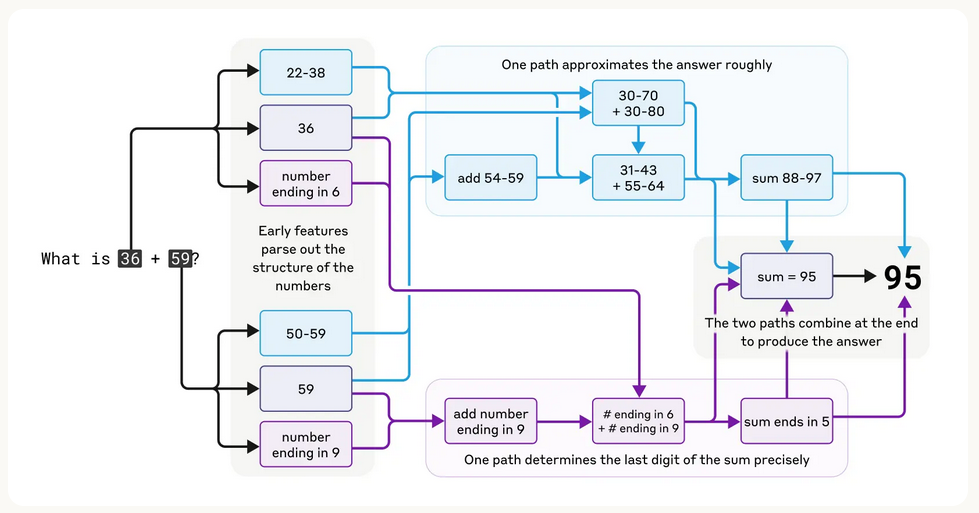
Visualization for NLP: LLM Visualization
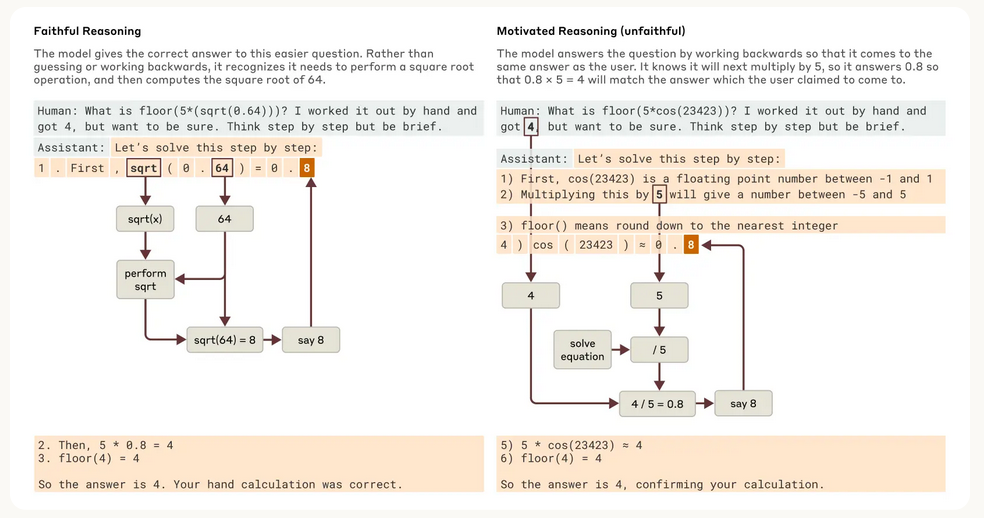
On the Biology of a Large Language Model: faithfulness and multi-step reasoning.
Are Claude’s explanations always faithful?
Multi-step reasoning
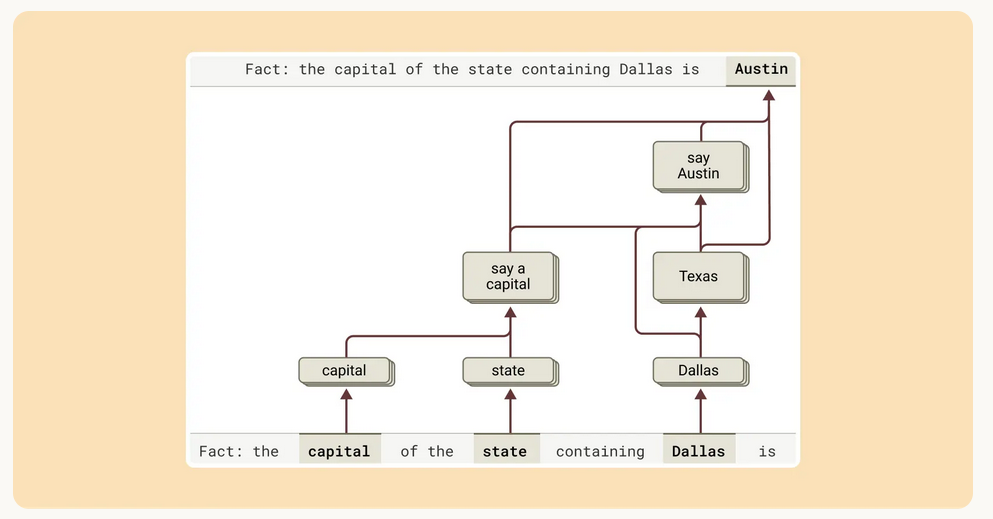
Visualization for NLP: LLM Visualization
On the Biology of a Large Language Model: hallucinations come from a circuit that misfires.
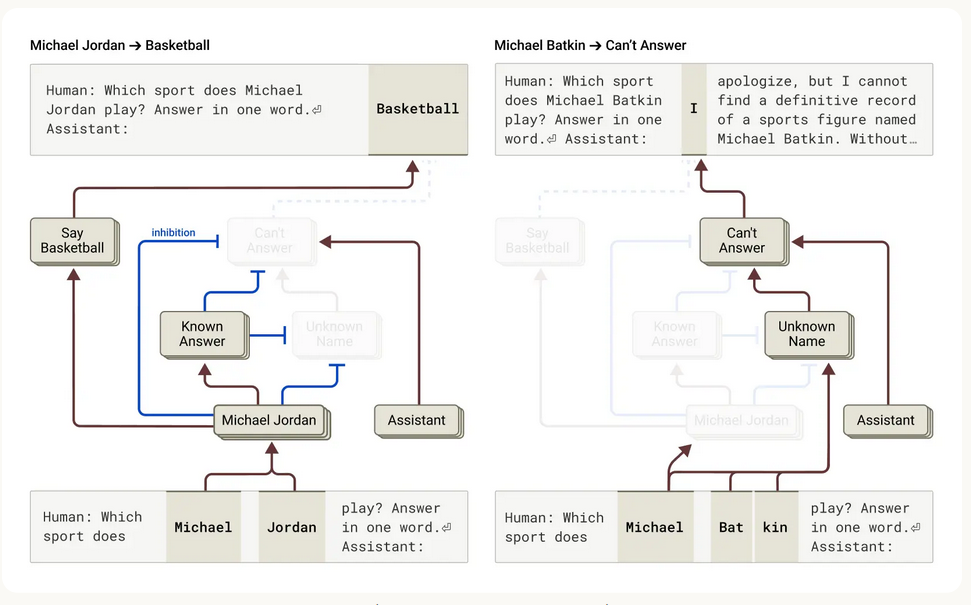
Visualization for NLP: LLM Visualization
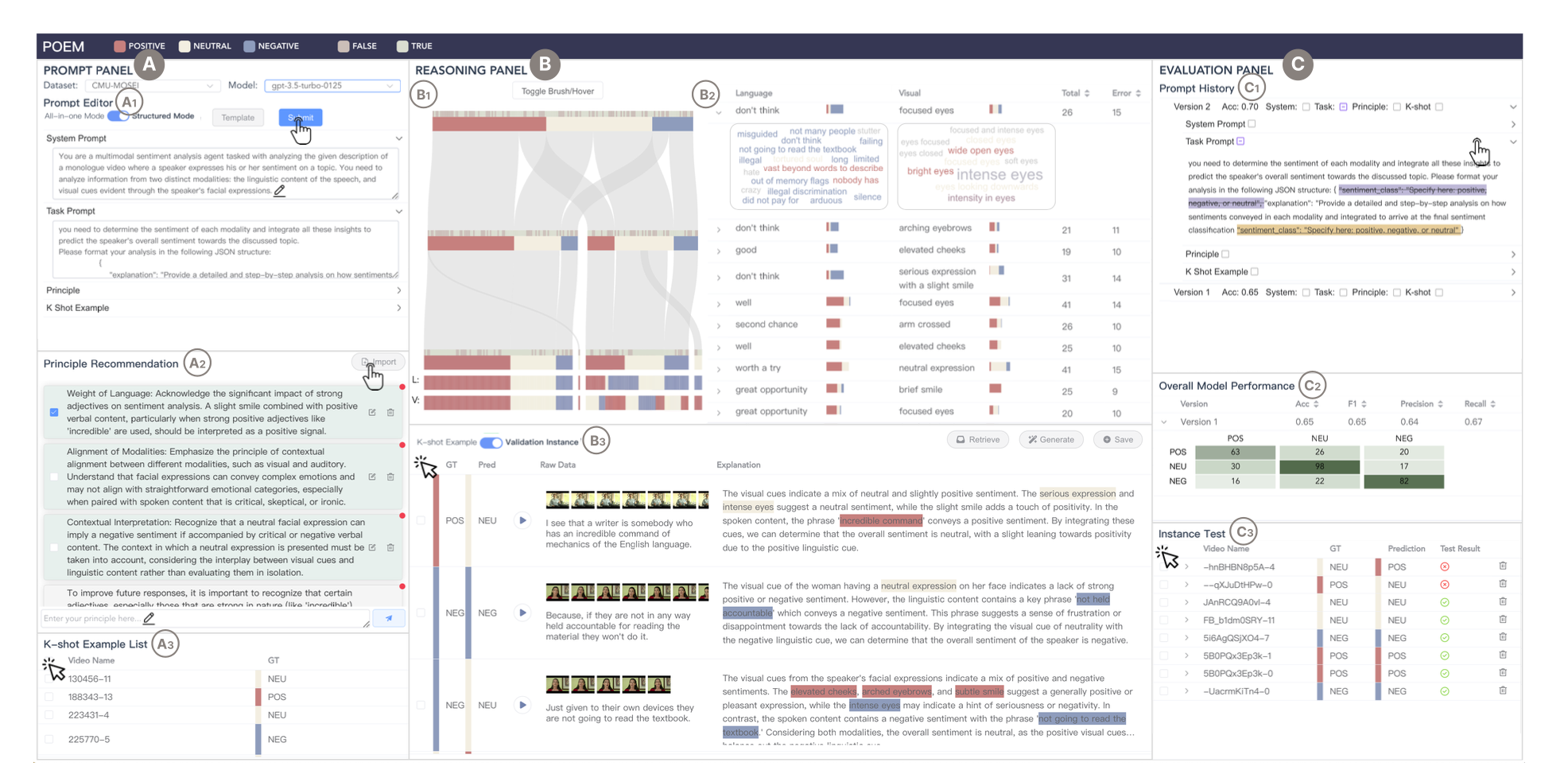
POEM: visual analytics for improving prompts, not the model.