Perception for Design
DS-GA 3001 - Fall 2026
2026-09-15
Perception for Design
Brain
“Visual thinking consists of a series of acts of attention, driving eye movements, and tuning our pattern finding circuits”, Colin Ware
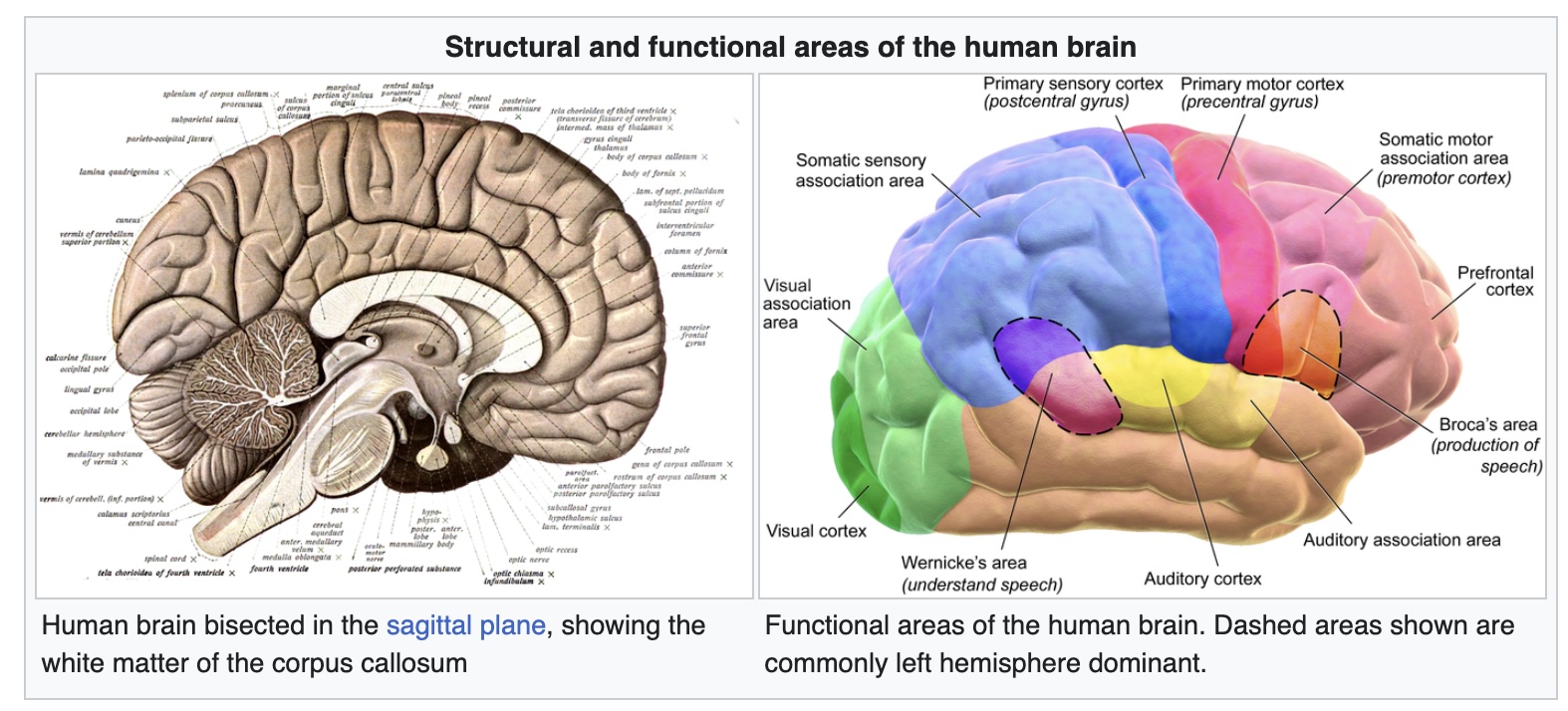
The Vision Brain
“Visual thinking consists of a series of acts of attention, driving eye movements, and tuning our pattern finding circuits”, Colin Ware
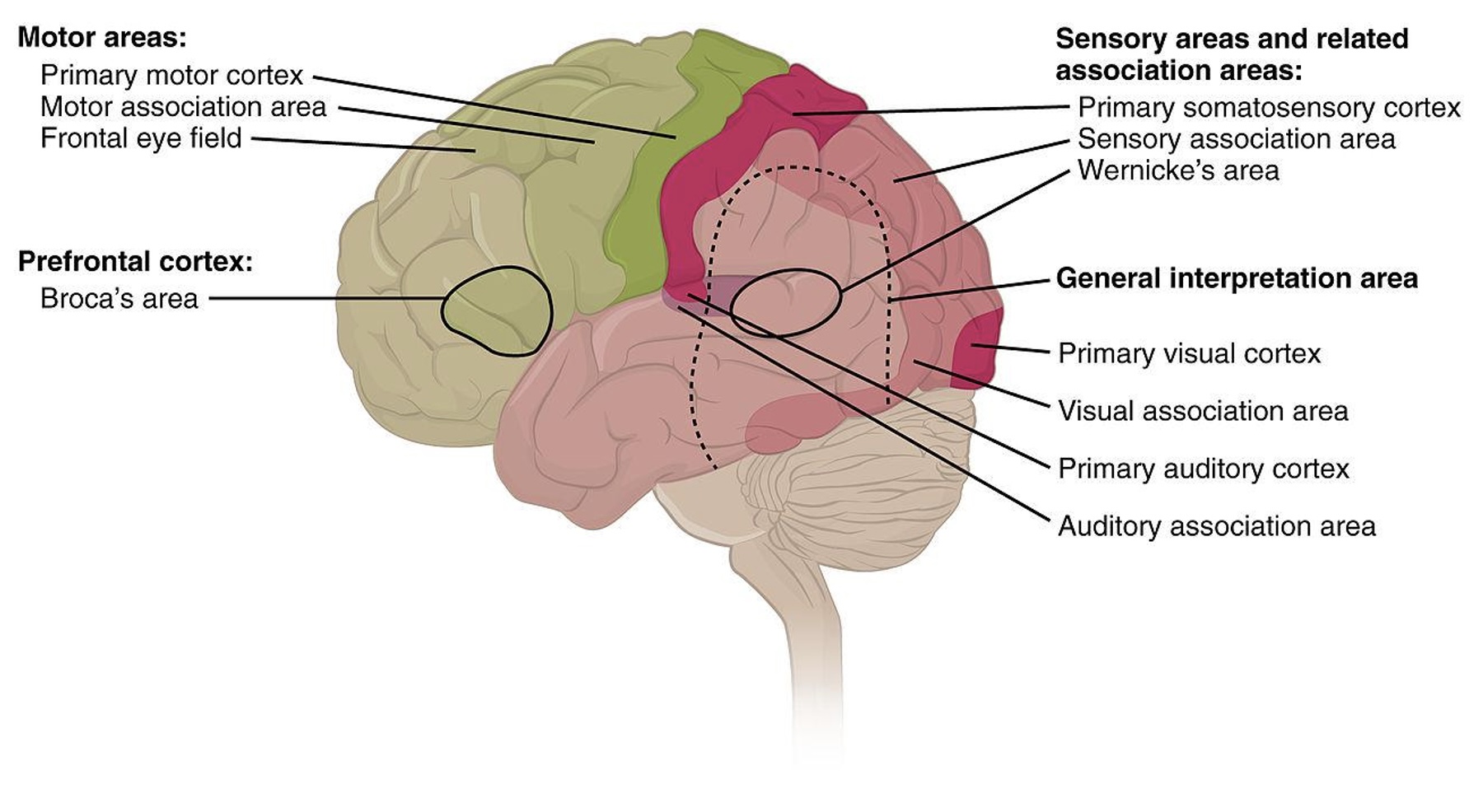
The Act of Perception
- Bottom-Up and Top-Down Processes
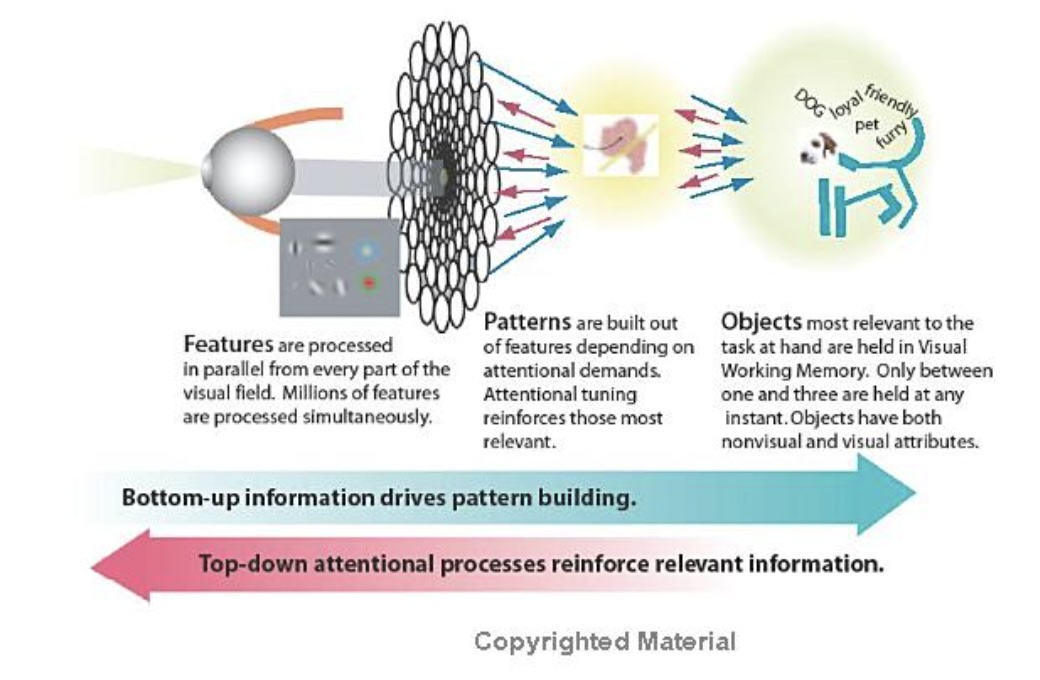
The Act of Perception
- Bottom-up: information is successively selected and filtered into patterns as it passes a sequence of stages. Ware outlines three stages: 1) optical nerve to V1 Cortex; 2) use texture and colors to aggregate patterns; 3) visual objects are recognized in the visual working memory.
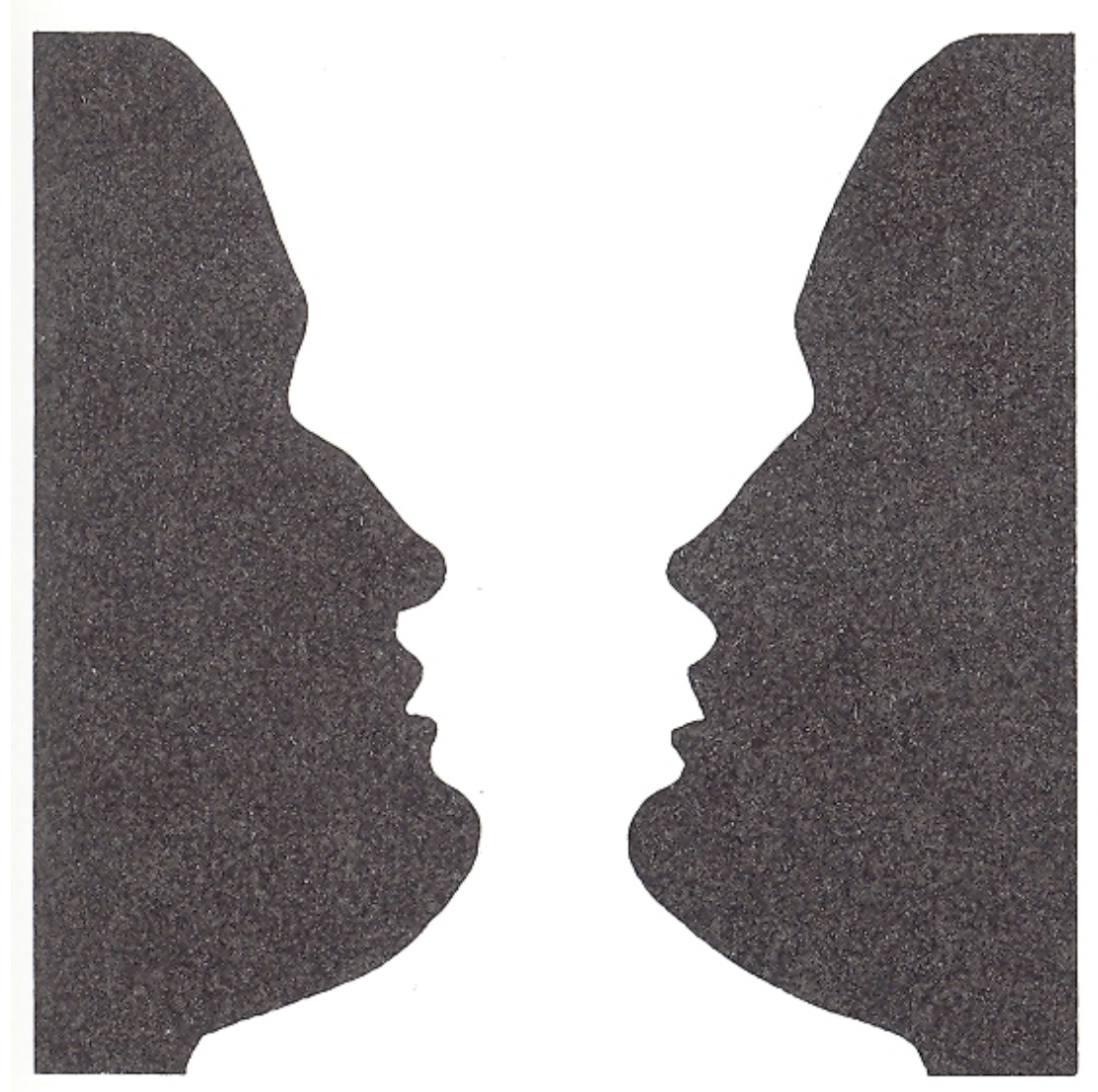
The Act of Perception
- Top-Down: Every stage of bottom-up processing contains a corresponding top-down process. Ware describes the process as “attention”. The dominant principle is that we only get the information that we need, when we need it.
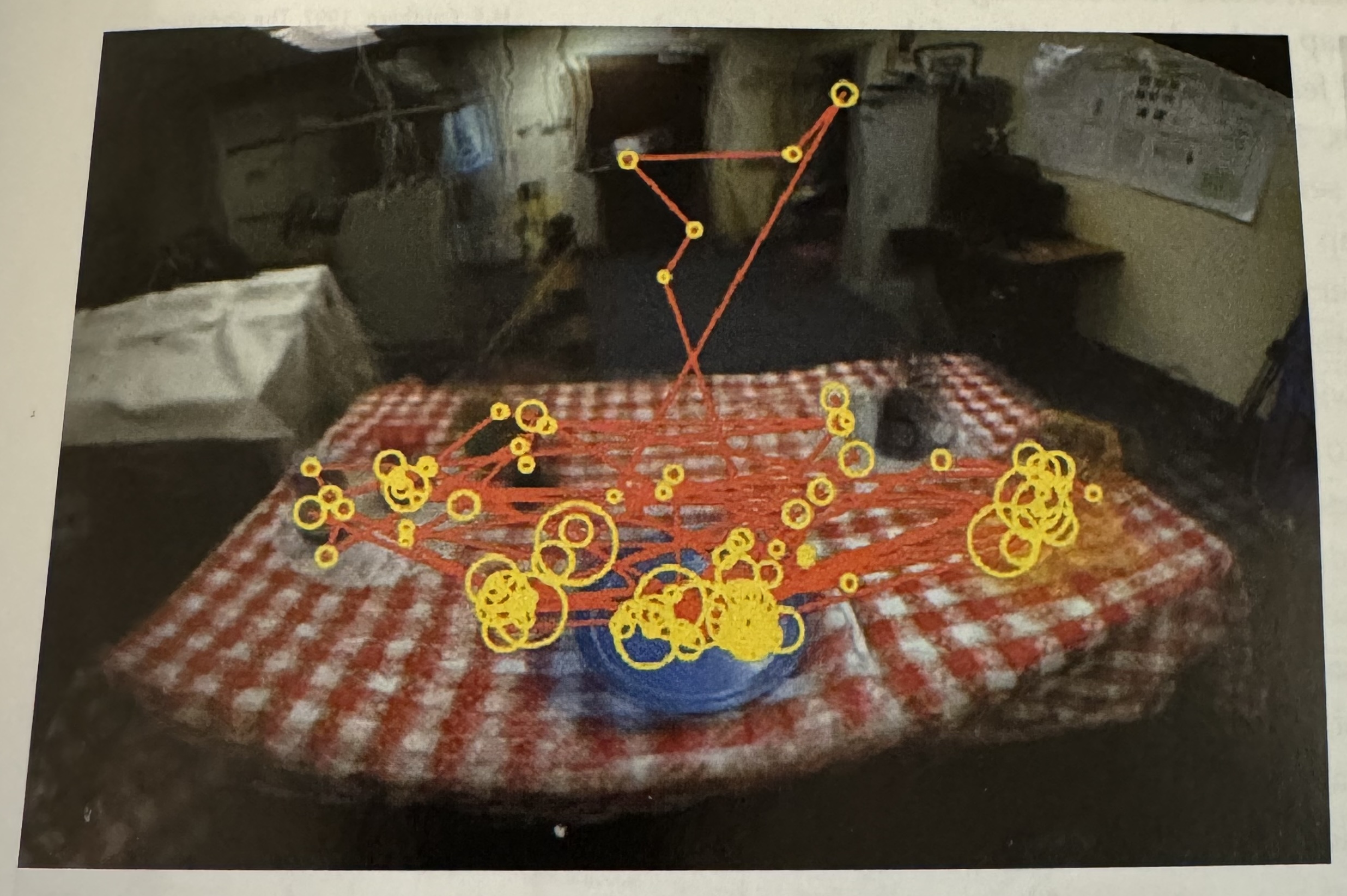
The Implications for Design
“Just-in-time visual queries” (Ware)
“One way to look at how the brain operates is as a set of nested loops. Outer loops deal with generality while inner loops process detail.” (Ware)
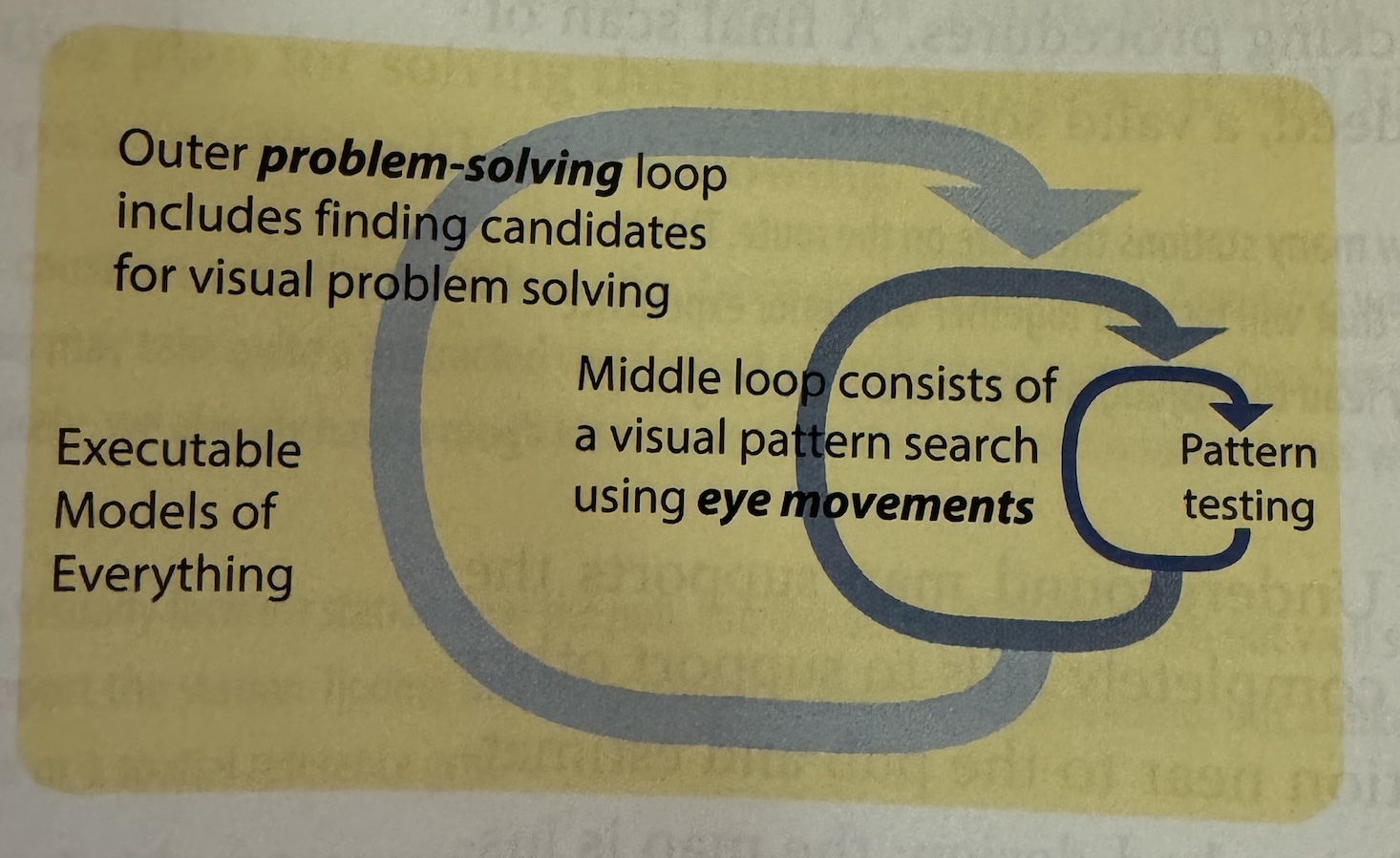
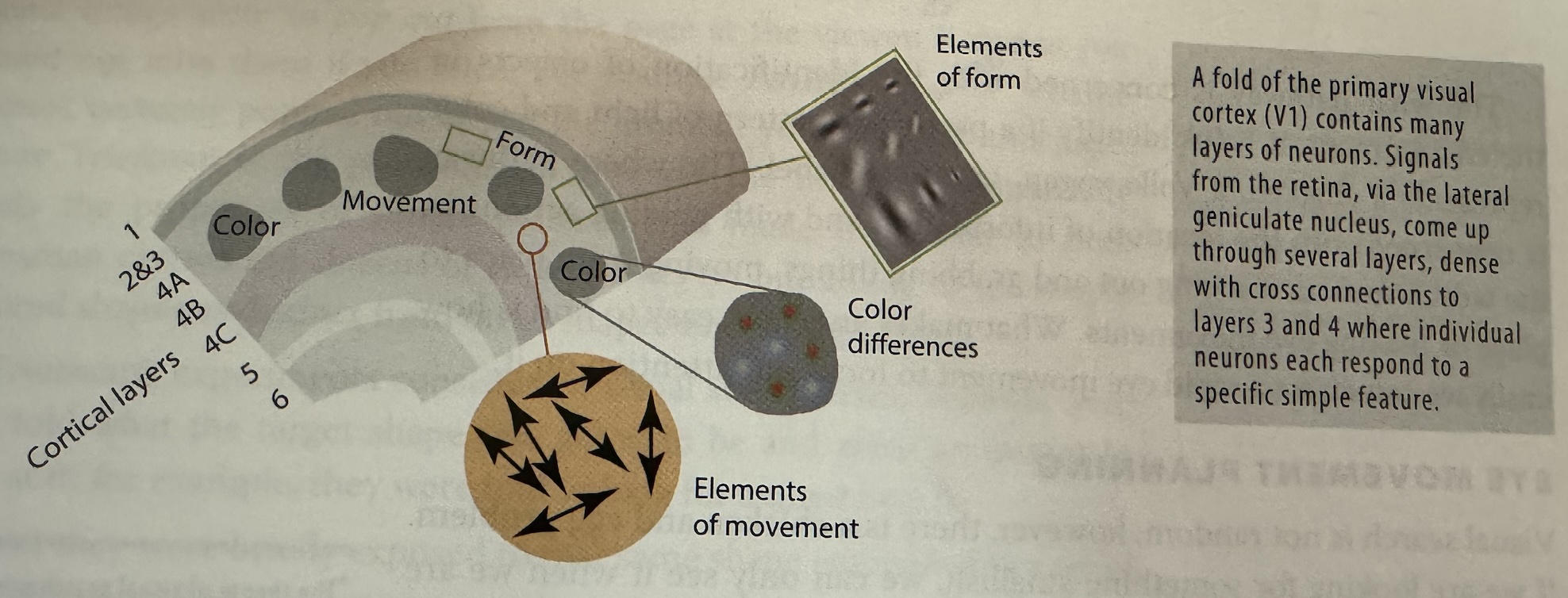
Low-Level Feature Analysis
- David Hubel and Torsten Wiesel won Nobel prize for this discovery.
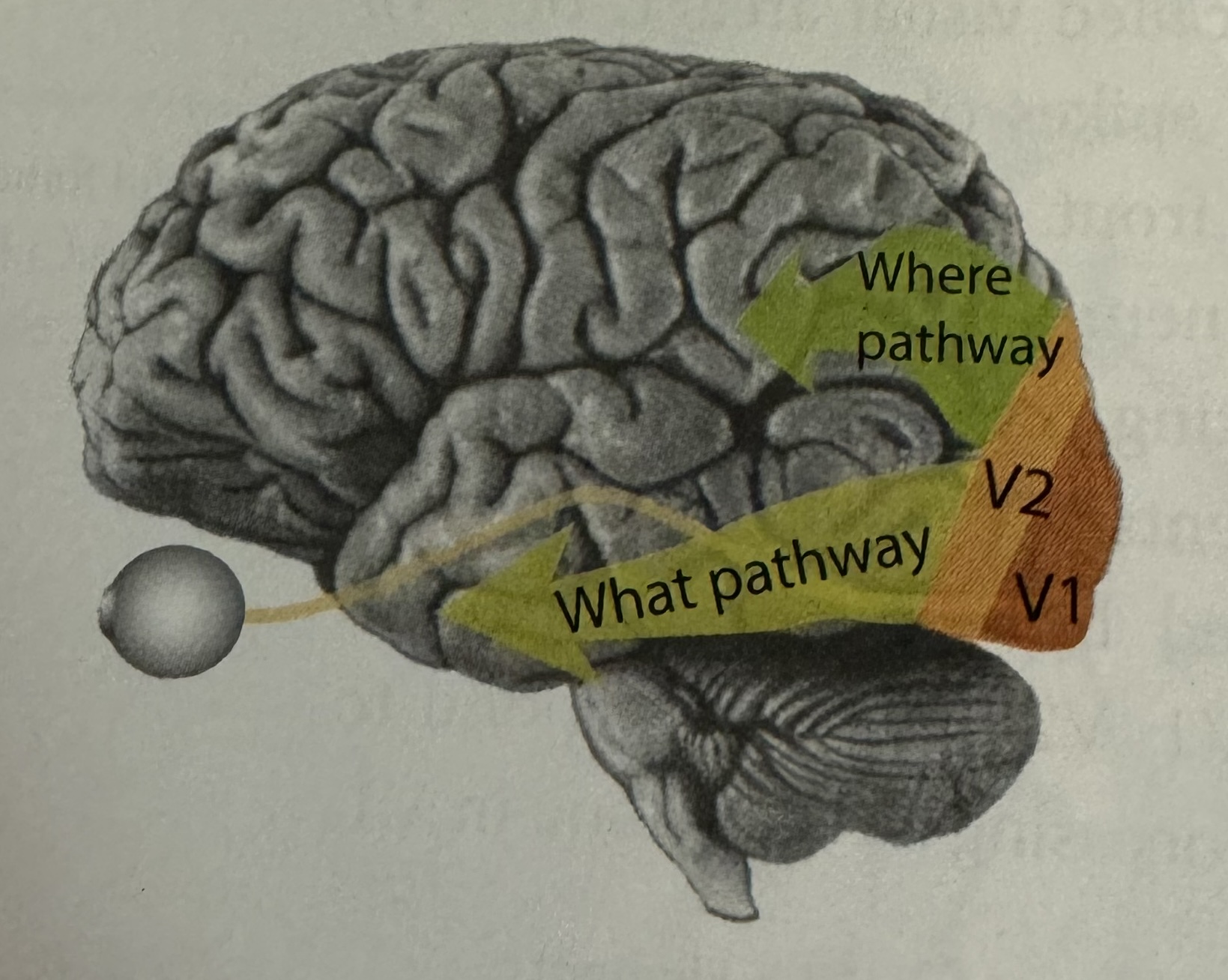
What and Where Pathways
What: identification of objects in environment.
Where: location of objects and eye movement.
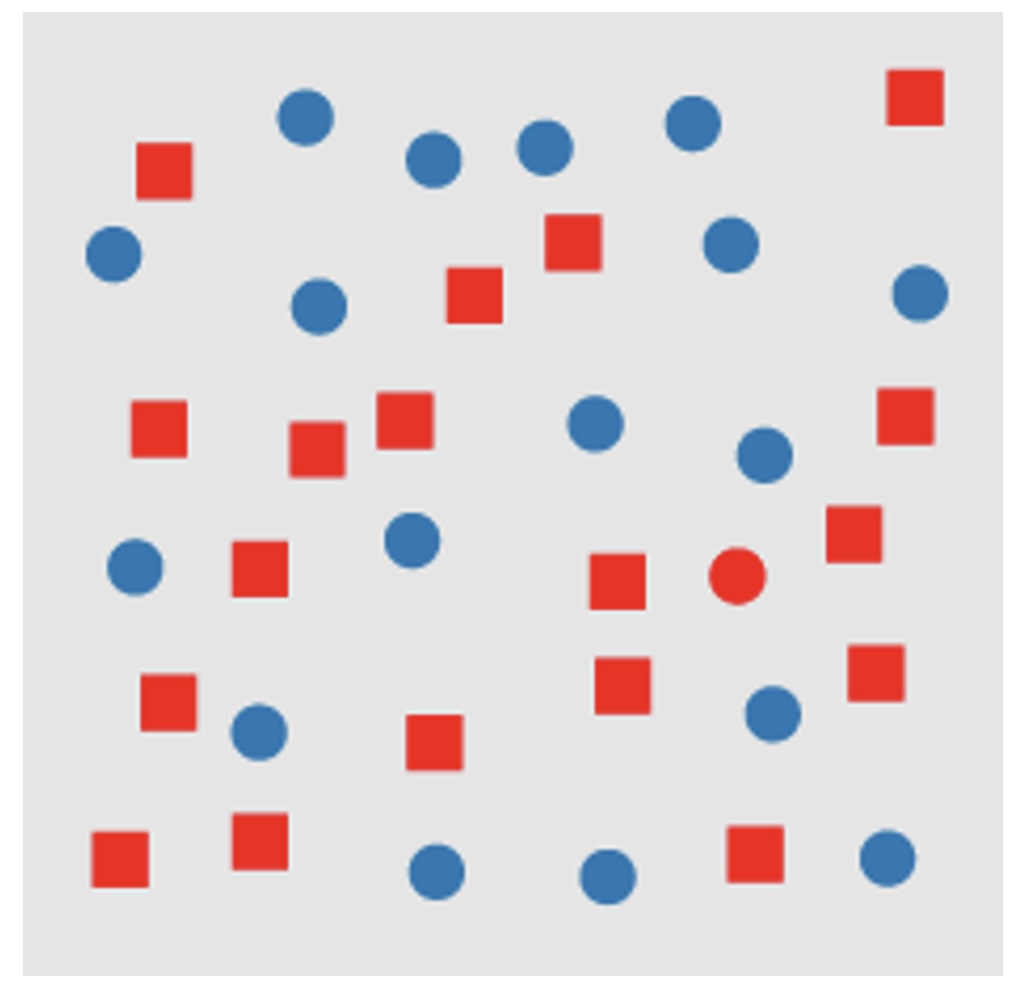
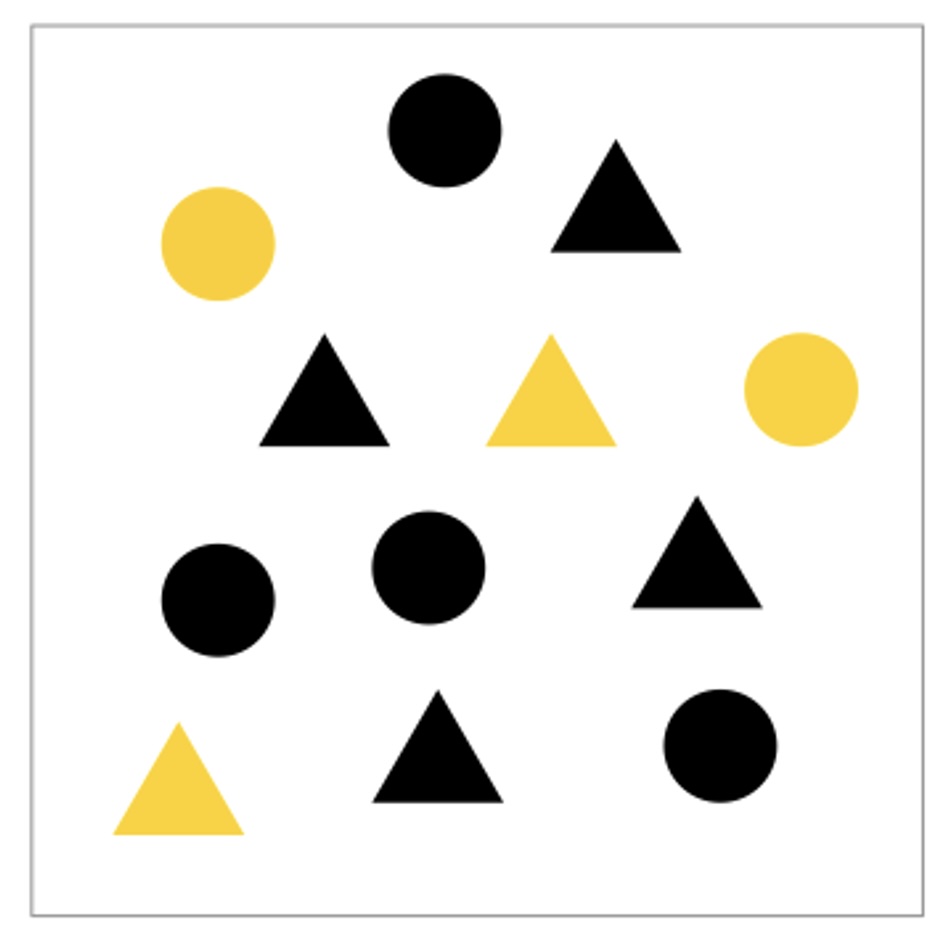
What Stands Out (Popout)
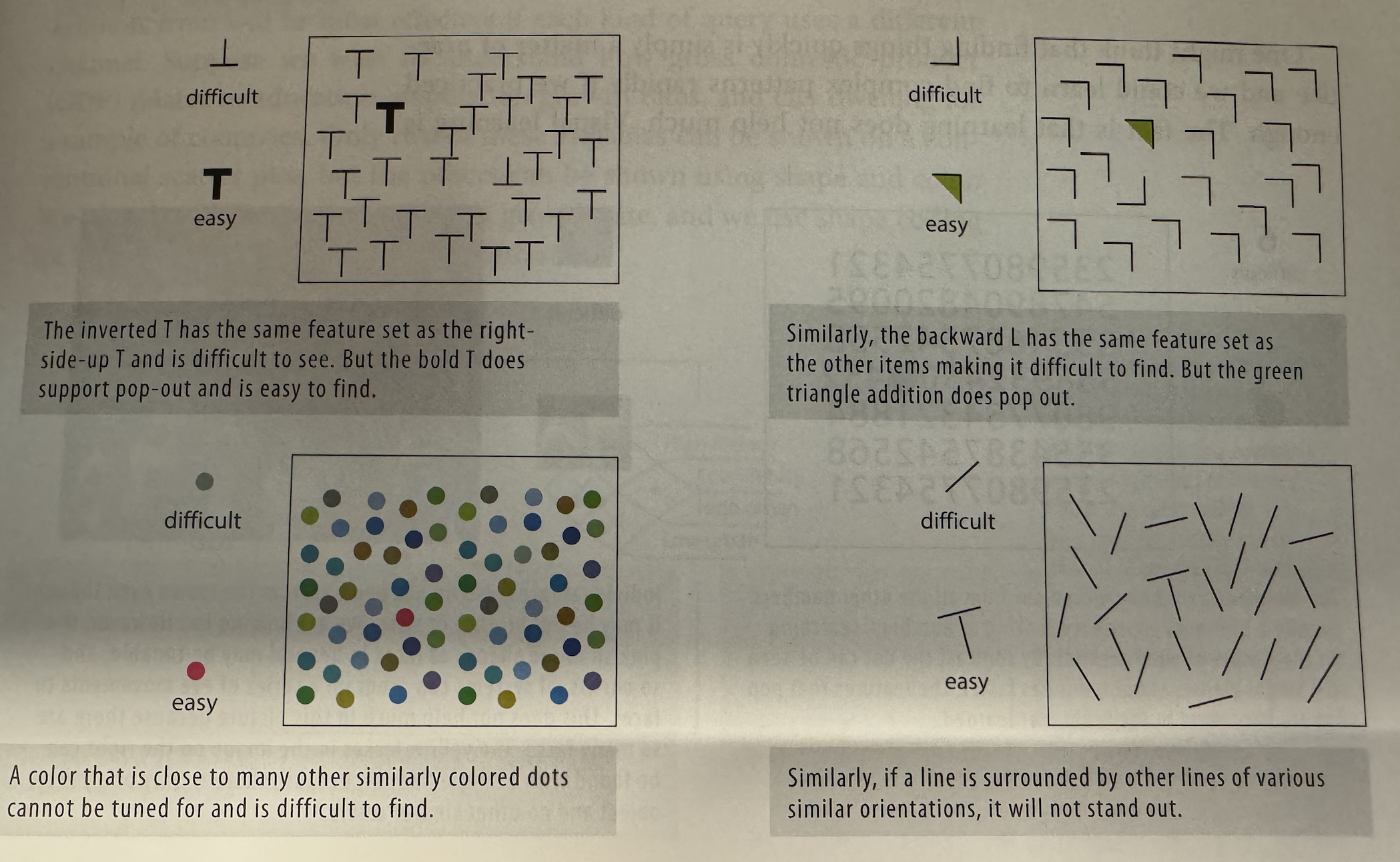
- Anne Treisman studied how to find patterns and shapes when surrounded by others.
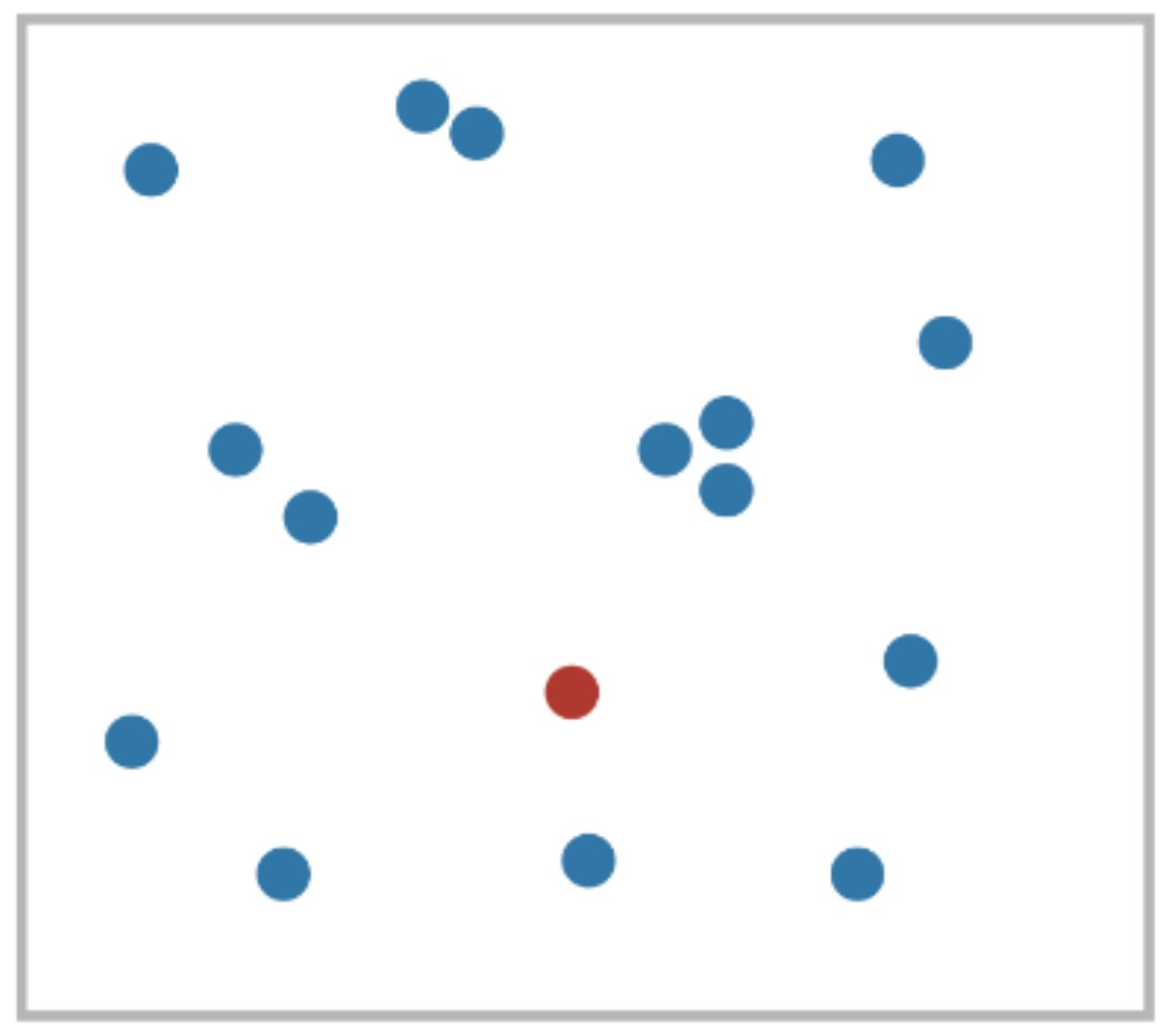
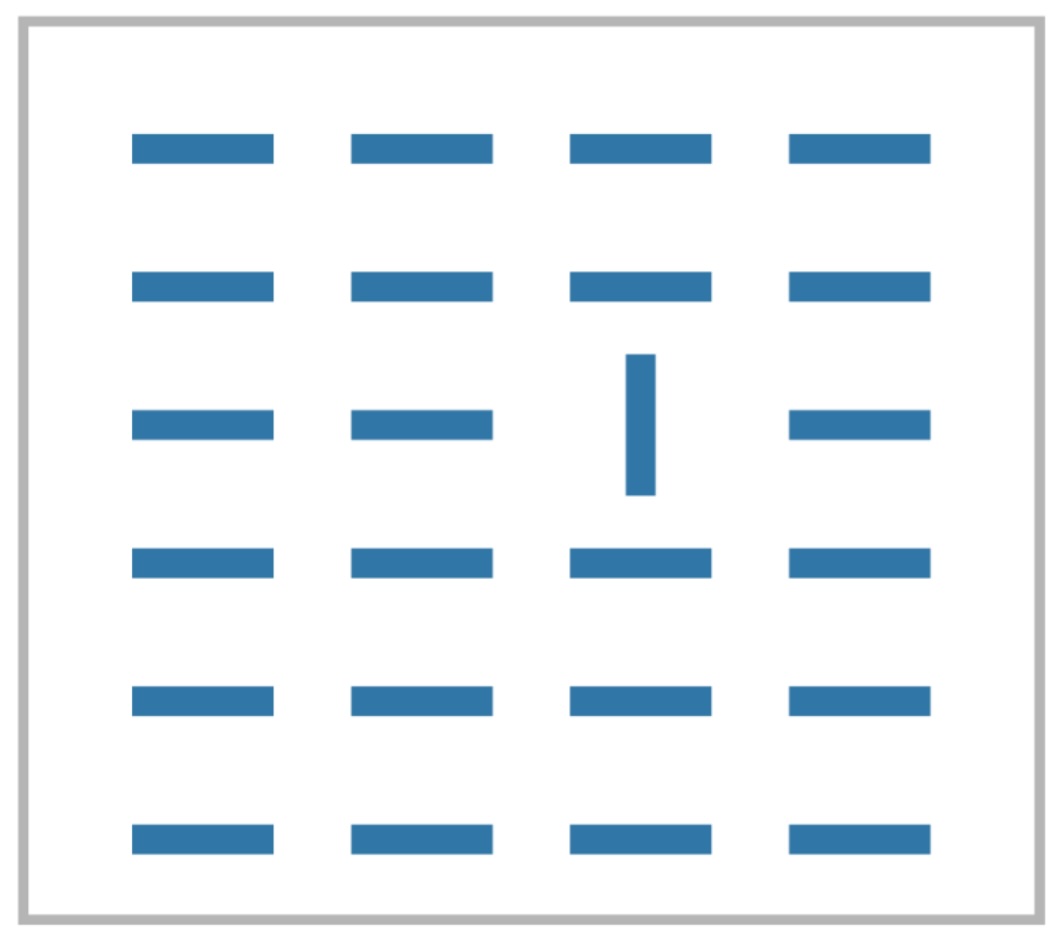
For some configurations the time did not depend on the number of distracters (pre-attentive).
What Stands Out (Popout)
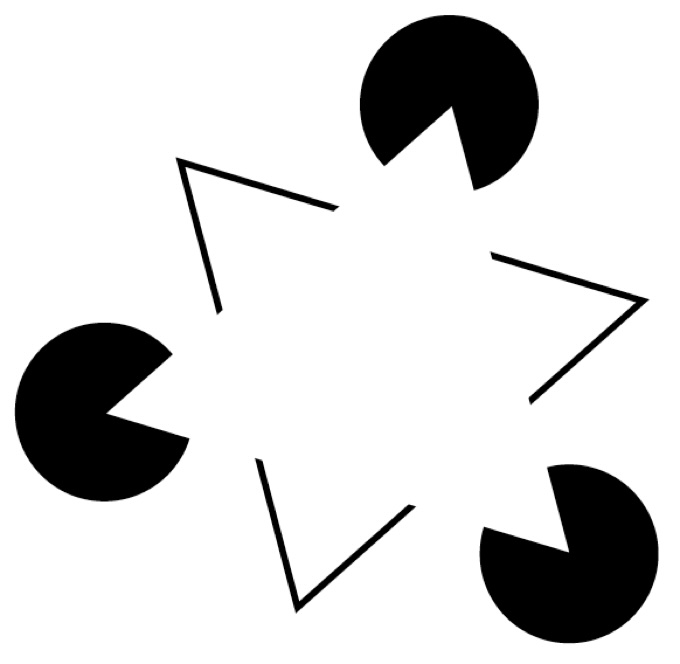
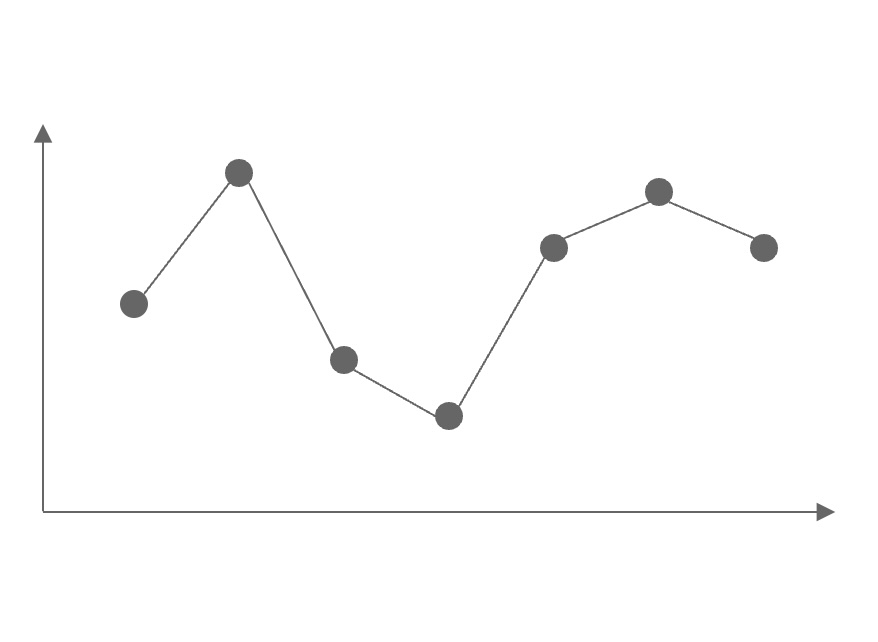
Closure
We can complete incomplete shapes
Implications: visualizations can be unintentionally misleading! Conversely: sometimes only necessary to show sparse set of marks to convey trend (dot plot)
Similarity
- Elements with the same visual properties considered to be grouped
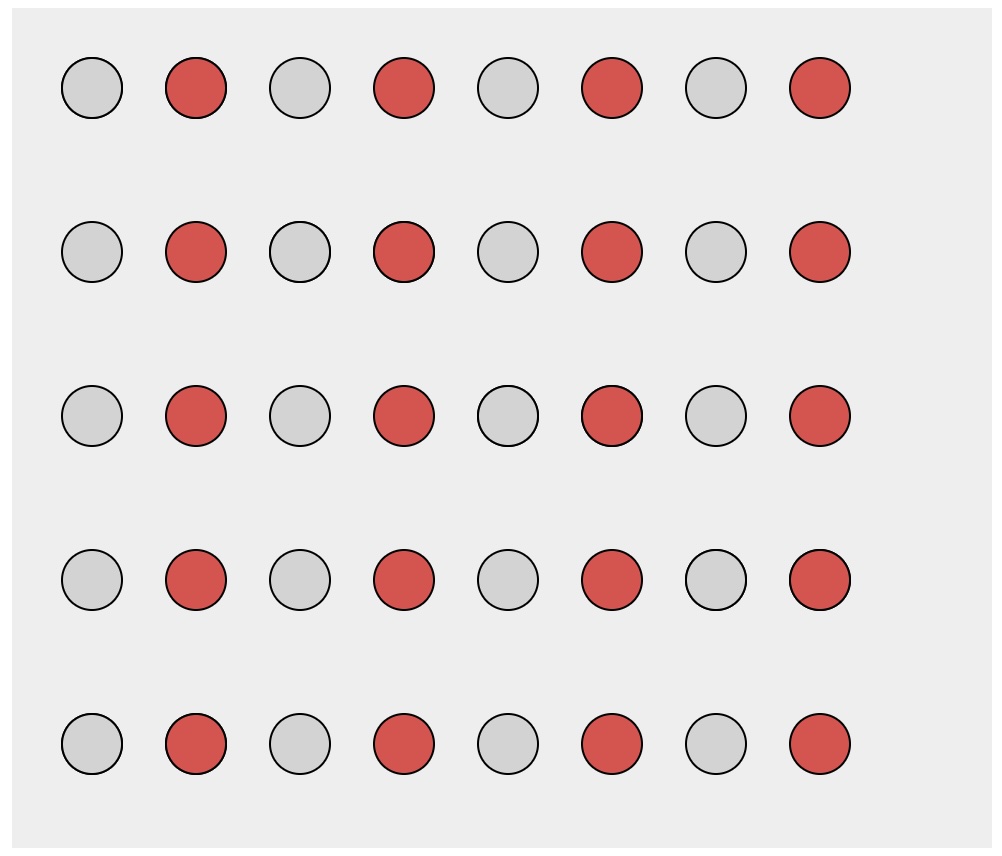
Similarity
- Elements with the same visual properties considered to be grouped
Proximity
- Elements that are of close spatial proximity are somehow grouped.
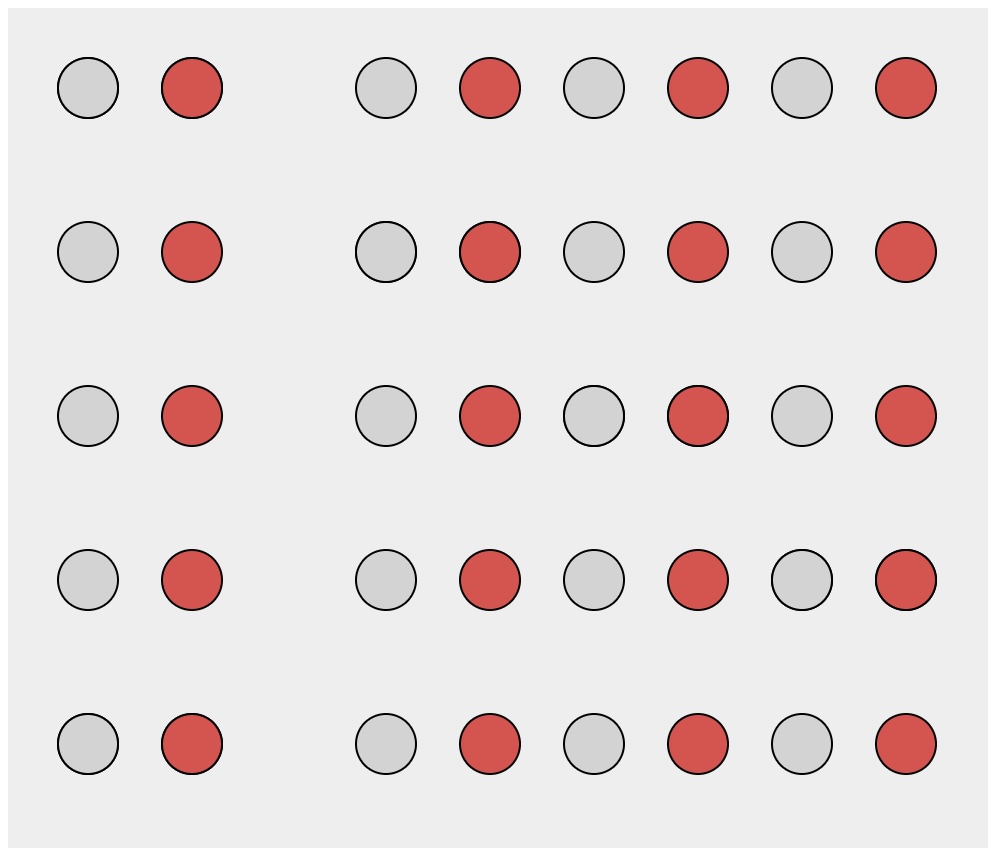
Proximity
- Elements that are of close spatial proximity are somehow grouped.
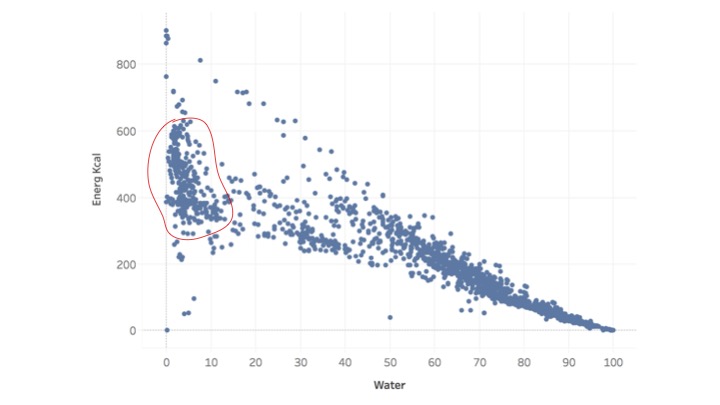
Enclosure
- Explicit visual encoding of enclosure also depicts grouping.
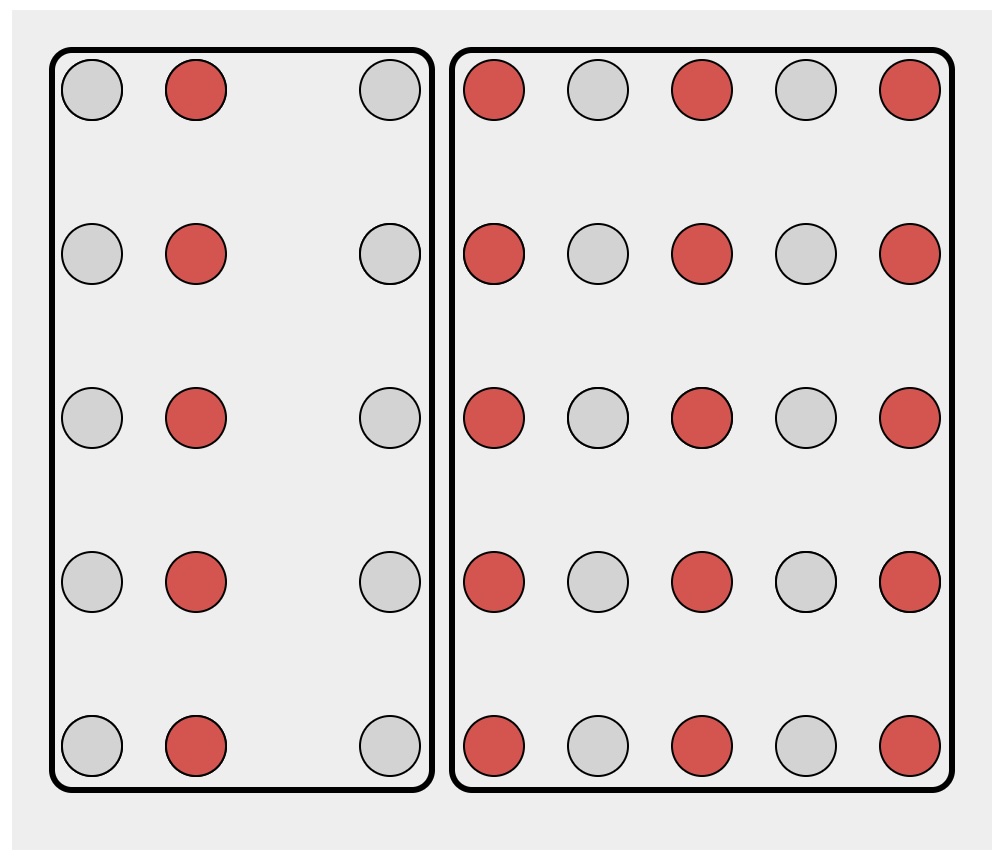
Enclosure
- Explicit visual encoding of enclosure also depicts grouping.
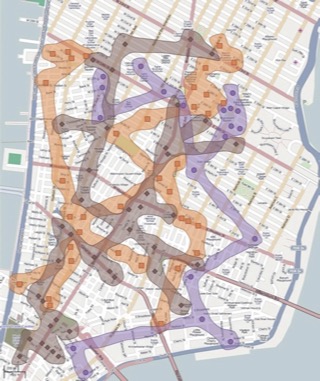
Connection
- Objects connected together are perceived as a group.
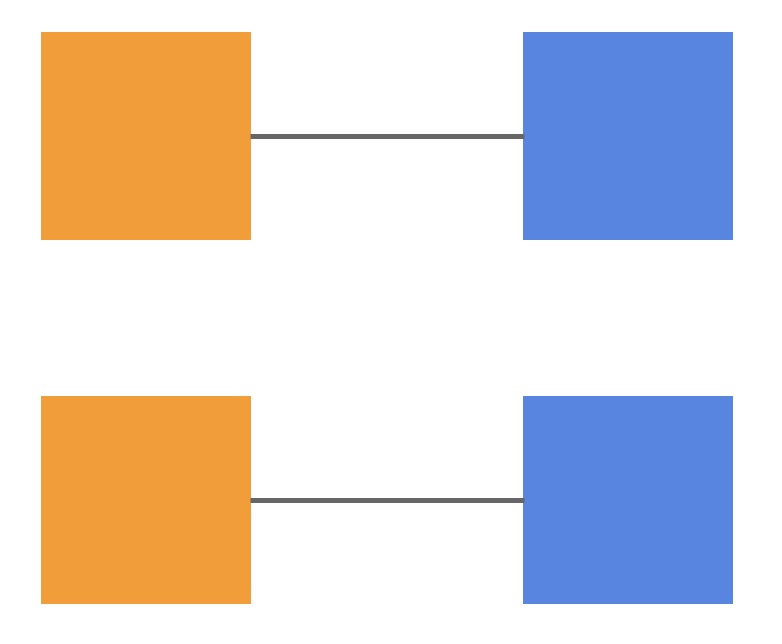
Connection
- Objects connected together are perceived as a group.
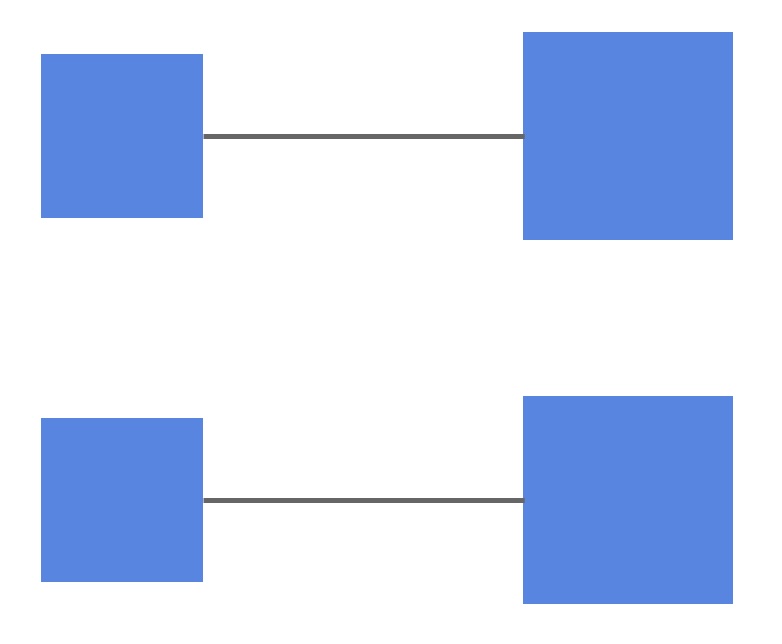
Connection
- Objects connected together are perceived as a group.
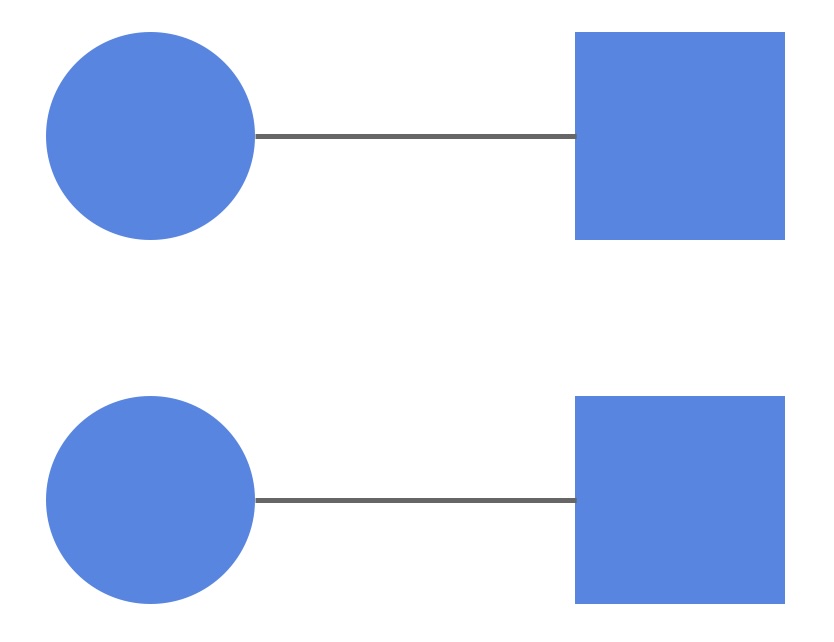
Connection
- Objects connected together are perceived as a group.
Just Noticeable Difference (JND)
In psychophysics a just-noticeable difference or JND is the amount something must be changed in order for a difference to be noticeable, detectable at least half the time.
Stevens’s power law: link
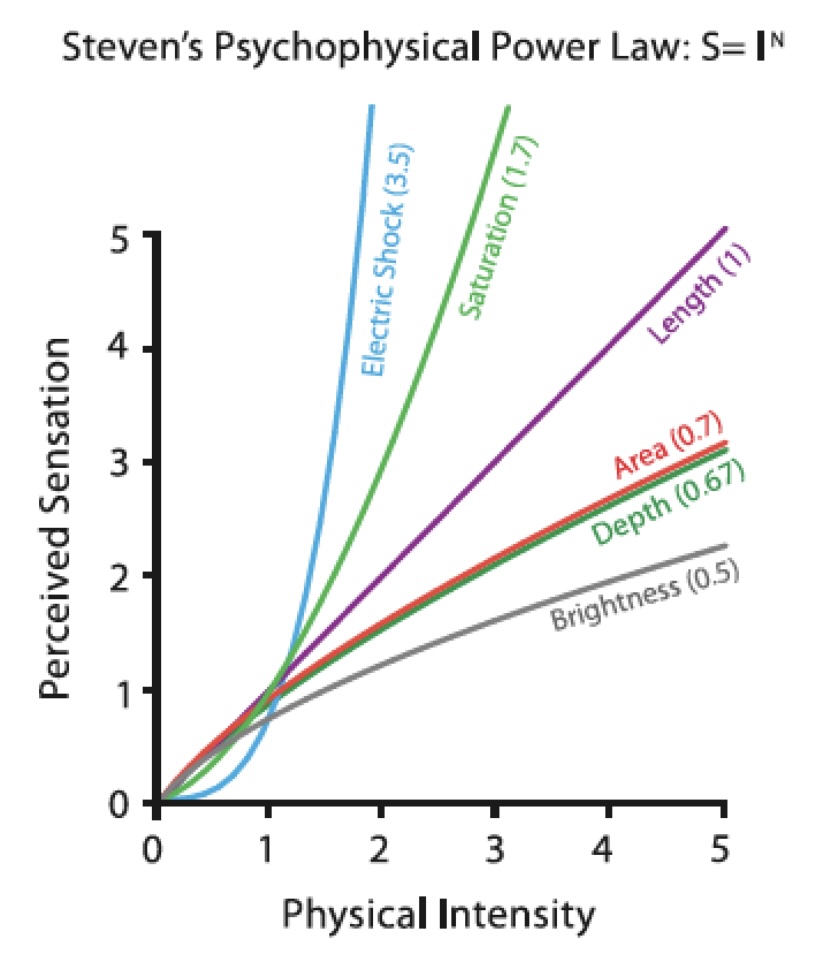
Graphical Perception
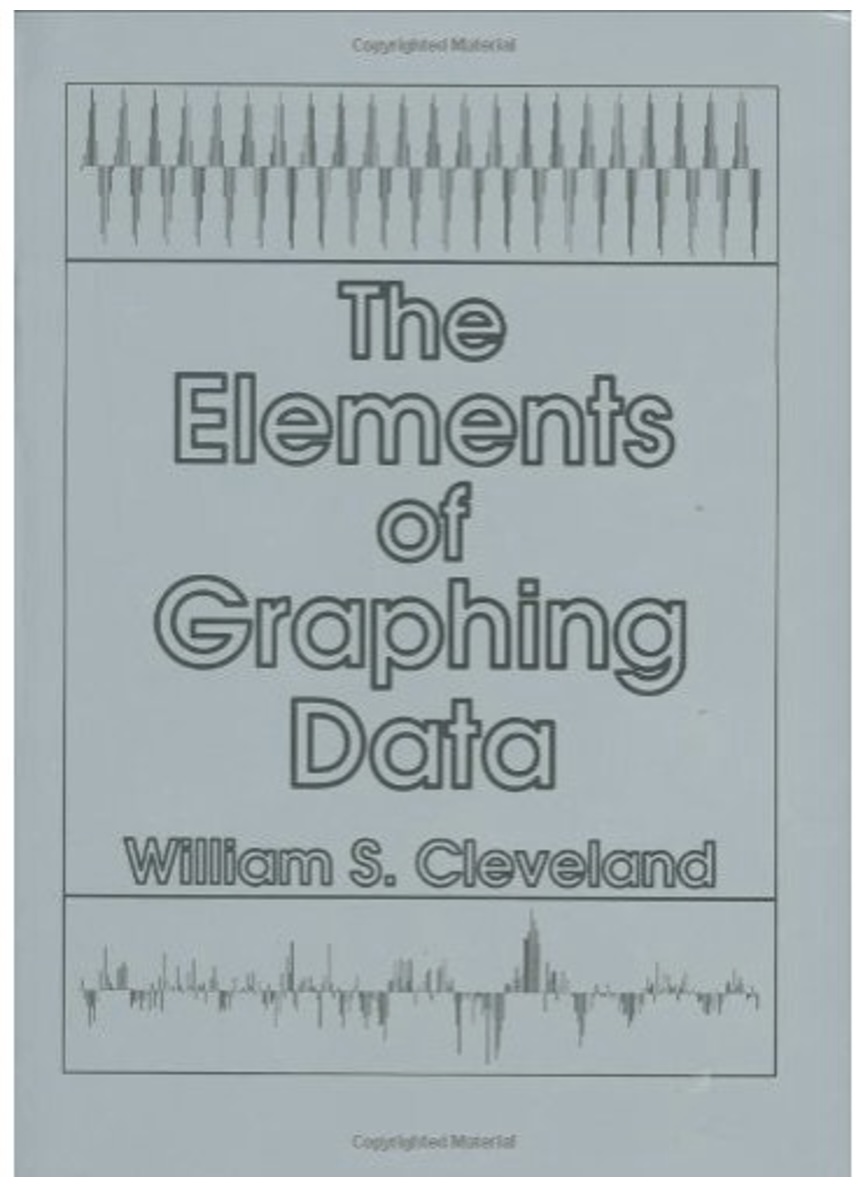
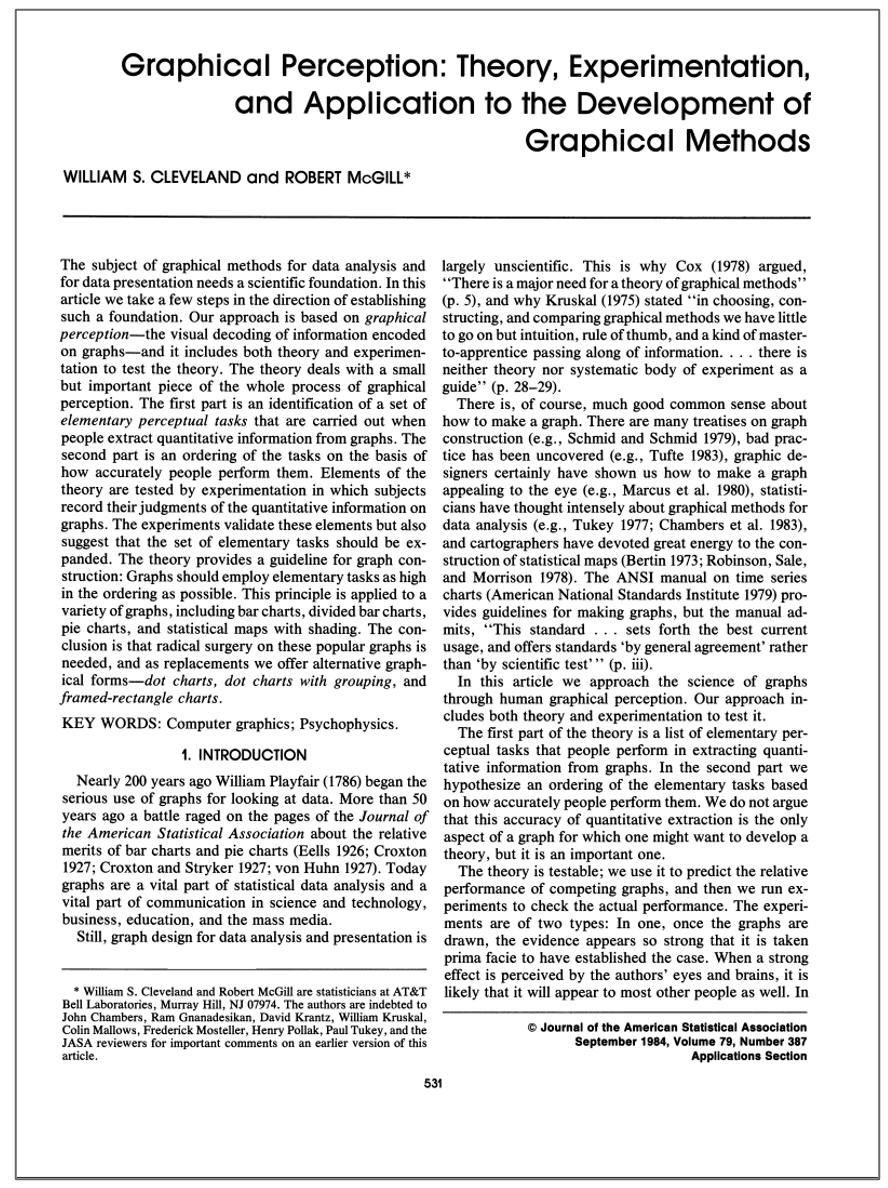
Graphical Perception Experiment
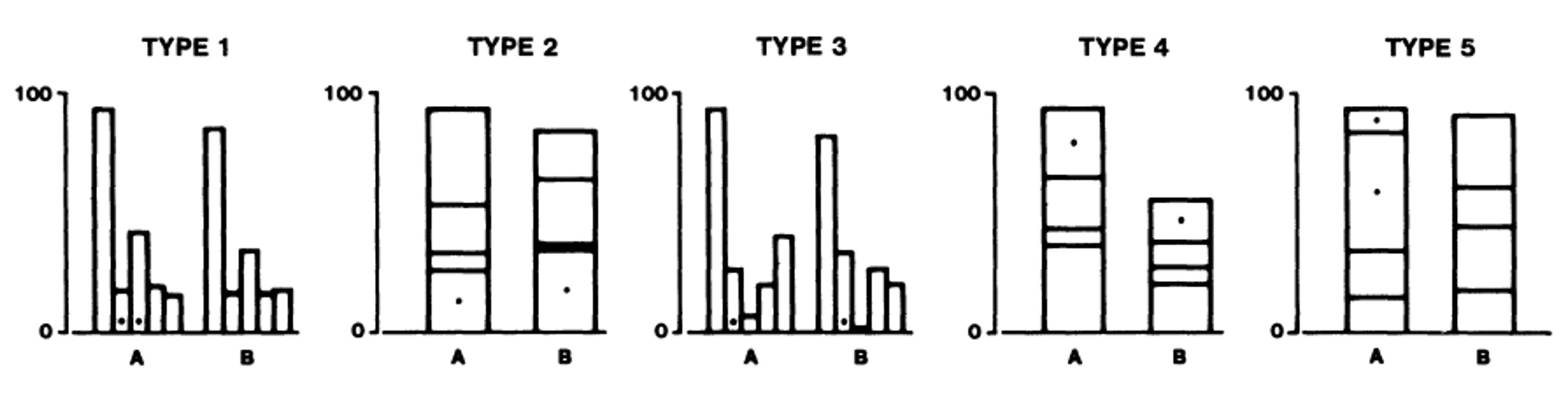
Graphical Perception Results
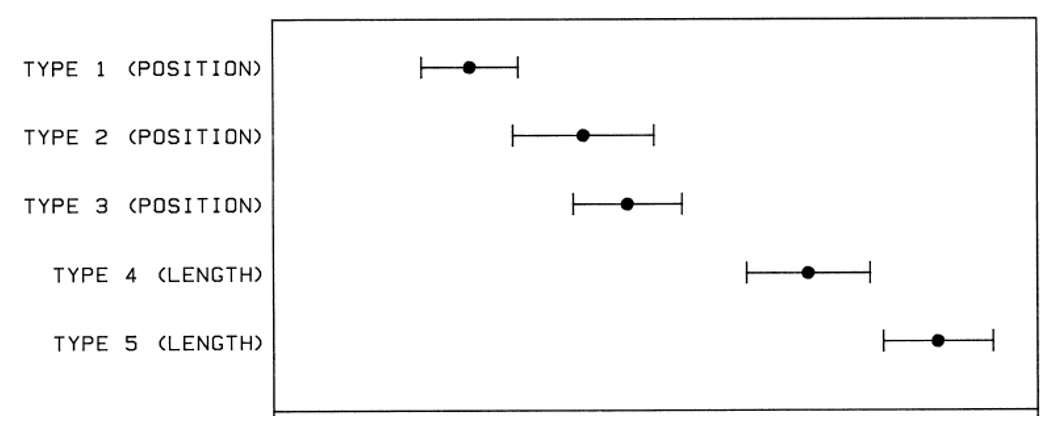
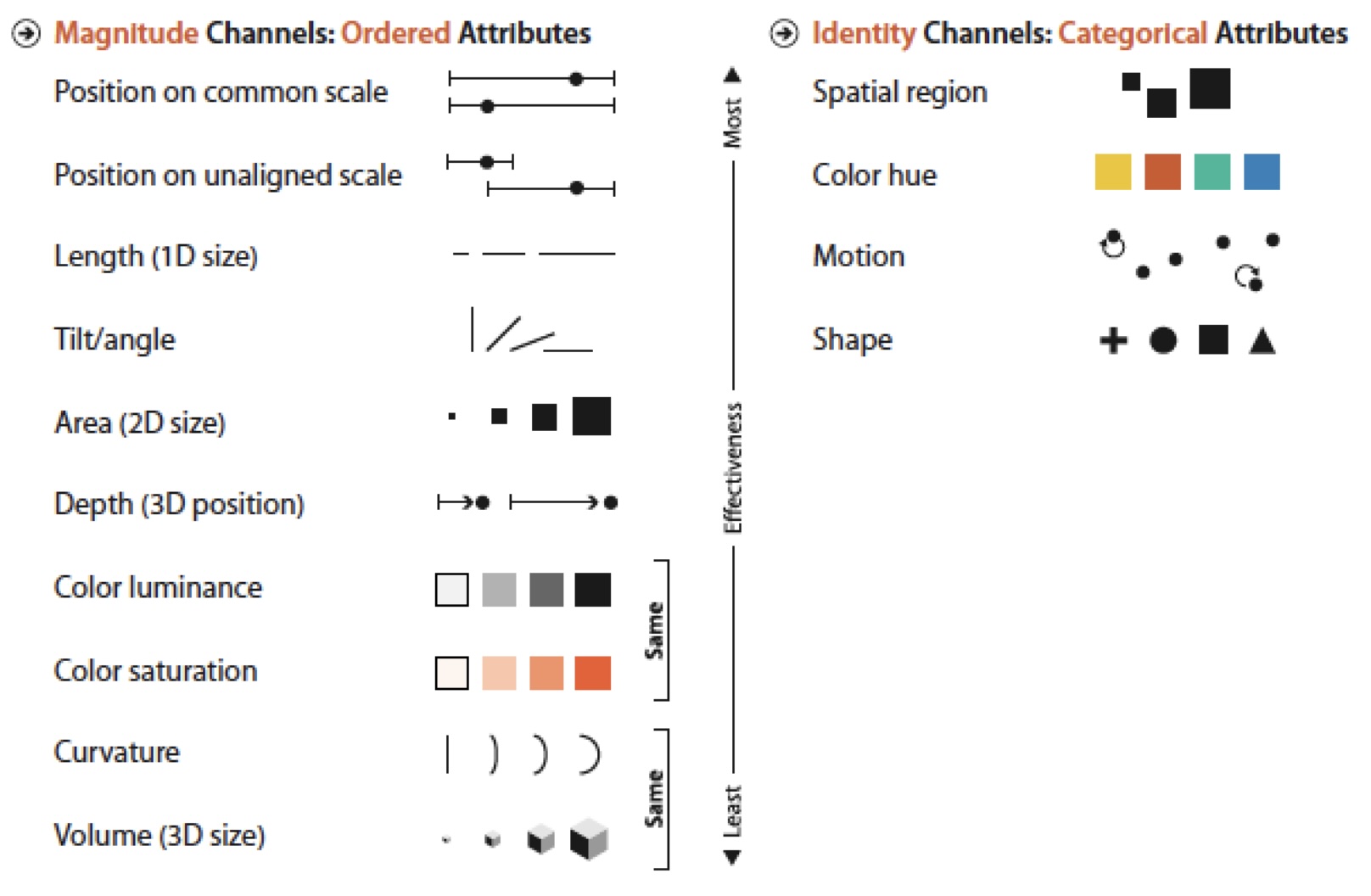
Effectiveness Effect
Popout
Some features are not pre-attentive
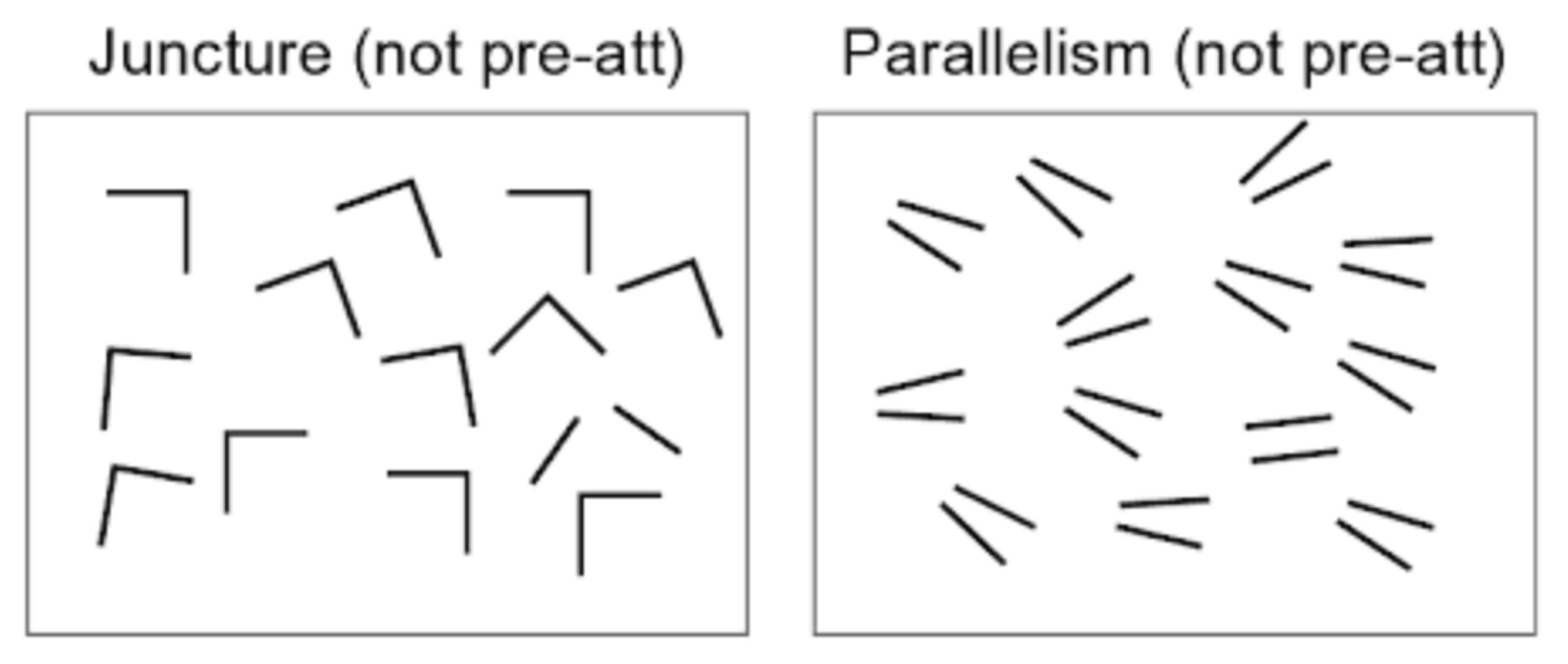
Tasks requiring the use of multiple channels are (most of the time) not preattentive
Separability
- Amount of interference between channels
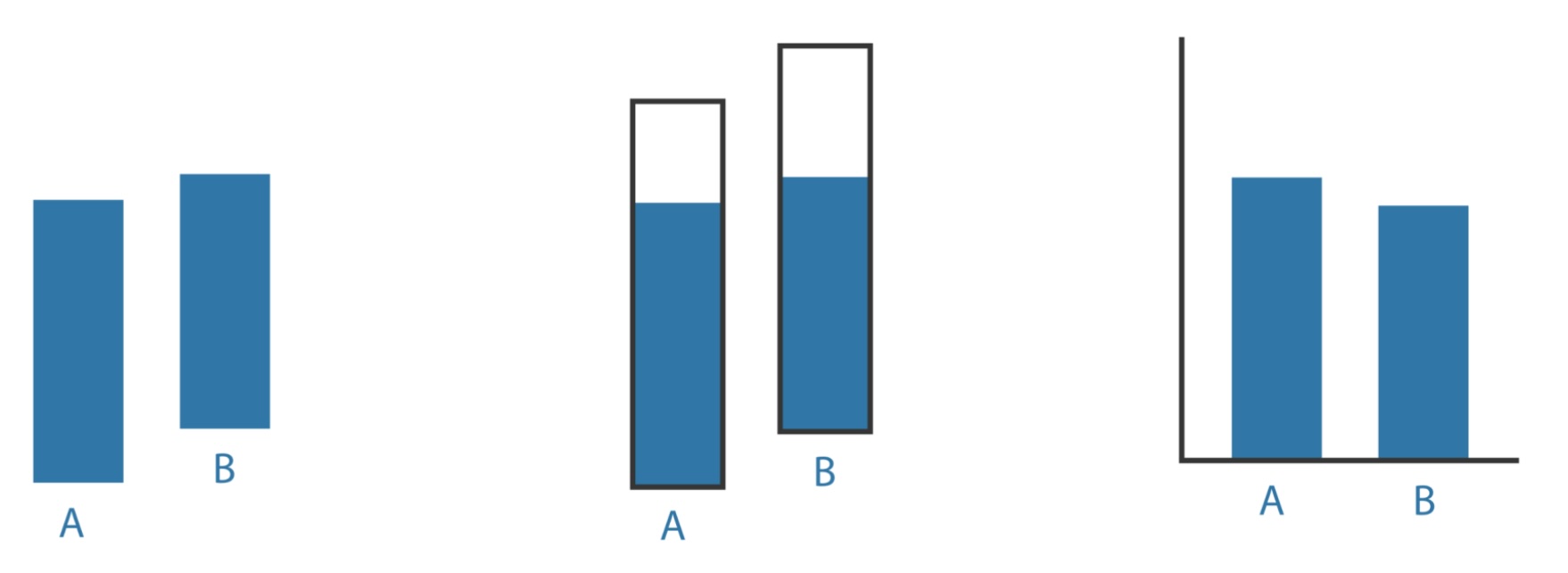
Relative vs Absolute